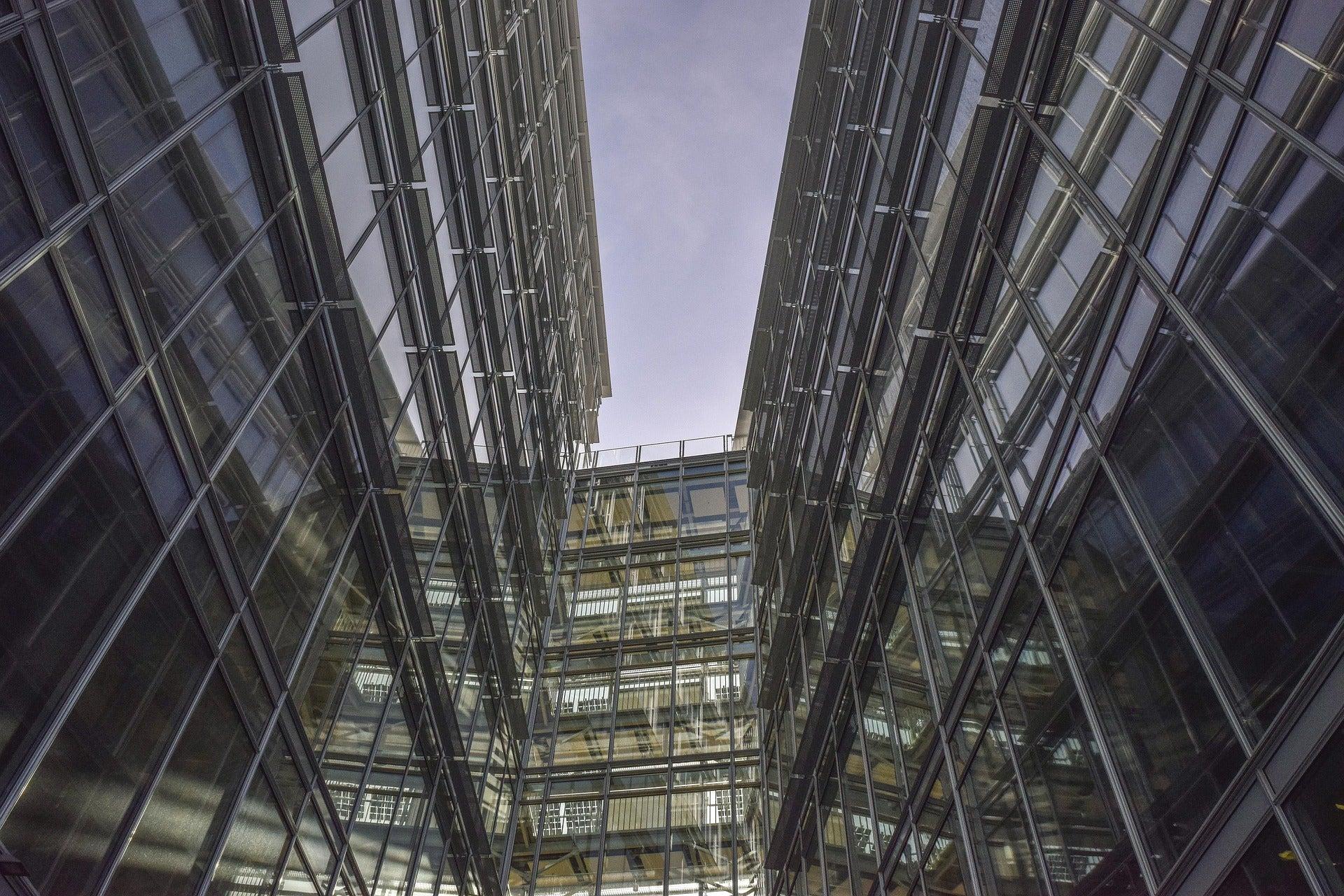
Commercial Window Film: What It Does for Offices and Storefronts
Commercial window film cuts solar heat, glare and UV coming through office and storefront glass, adds daytime privacy, and with safety grades helps hold broken glass in place. It does this on the existing windows, so a building gets much of the benefit of a glass upgrade without replacing a single pane.
Below are the six things building owners and facility managers most often buy it for, and what to check before a job. HIGHCOOL makes window film for homes and offices and supplies it by the roll to installers and distributors.
1. Energy savings and thermal comfort
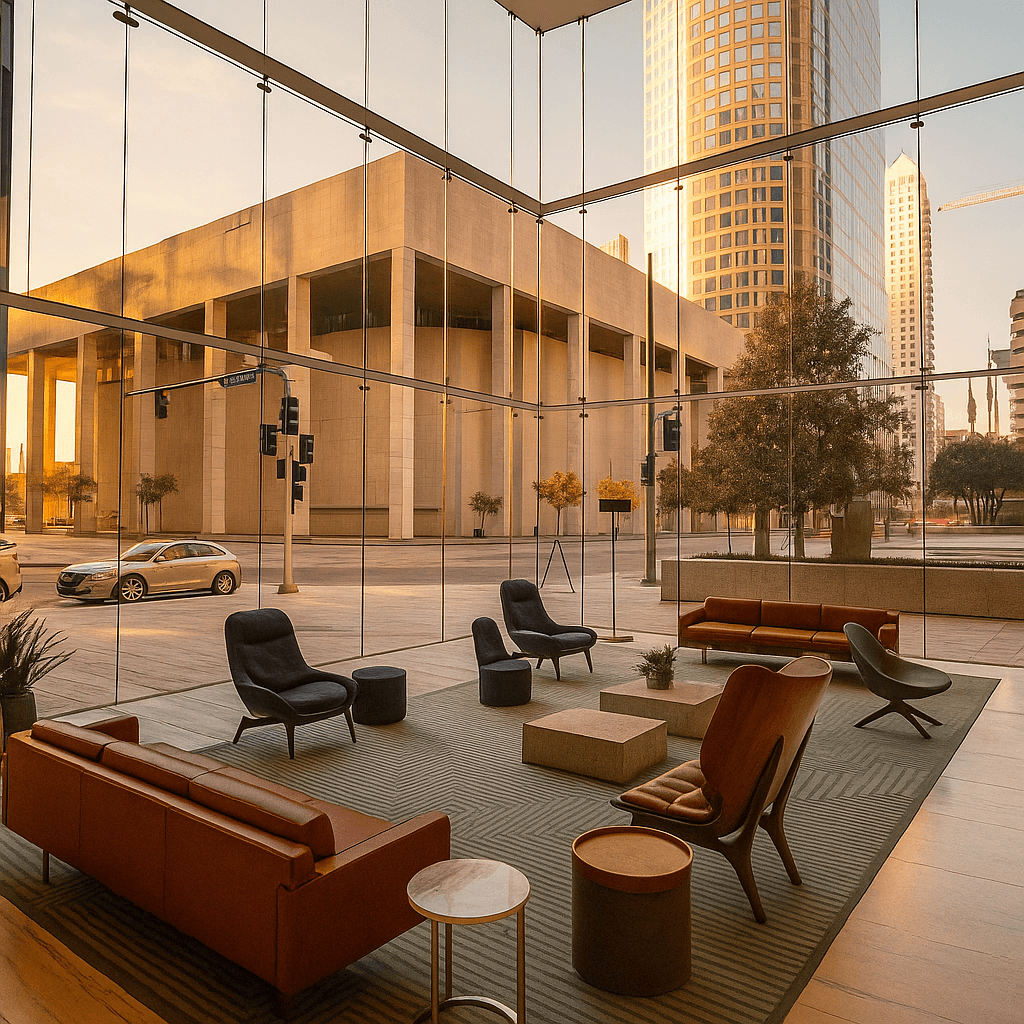
Large windows and glass walls let in a lot of infrared heat on sunny days. The rooms along that glass get hot, and the HVAC system runs harder to keep up. Solar control film rejects part of that heat at the glass, so the air conditioning has less to do and the temperature near the windows stays closer to the rest of the floor.
How much it saves depends on the film, the glass, the climate and which way the building faces. South- and west-facing glass in a hot region gains the most. Ask for the film's solar heat rejection figures from its data sheet and use those, not a general promise, when estimating savings.
2. Glare reduction
Low sun across a monitor makes the screen unreadable, and staff end up squinting or pulling the blinds down all afternoon. Window film cuts glare so people can keep working with the blinds open. A good film does this while letting enough visible light through that the room still feels bright and the view outside stays clear.
3. UV protection for interiors
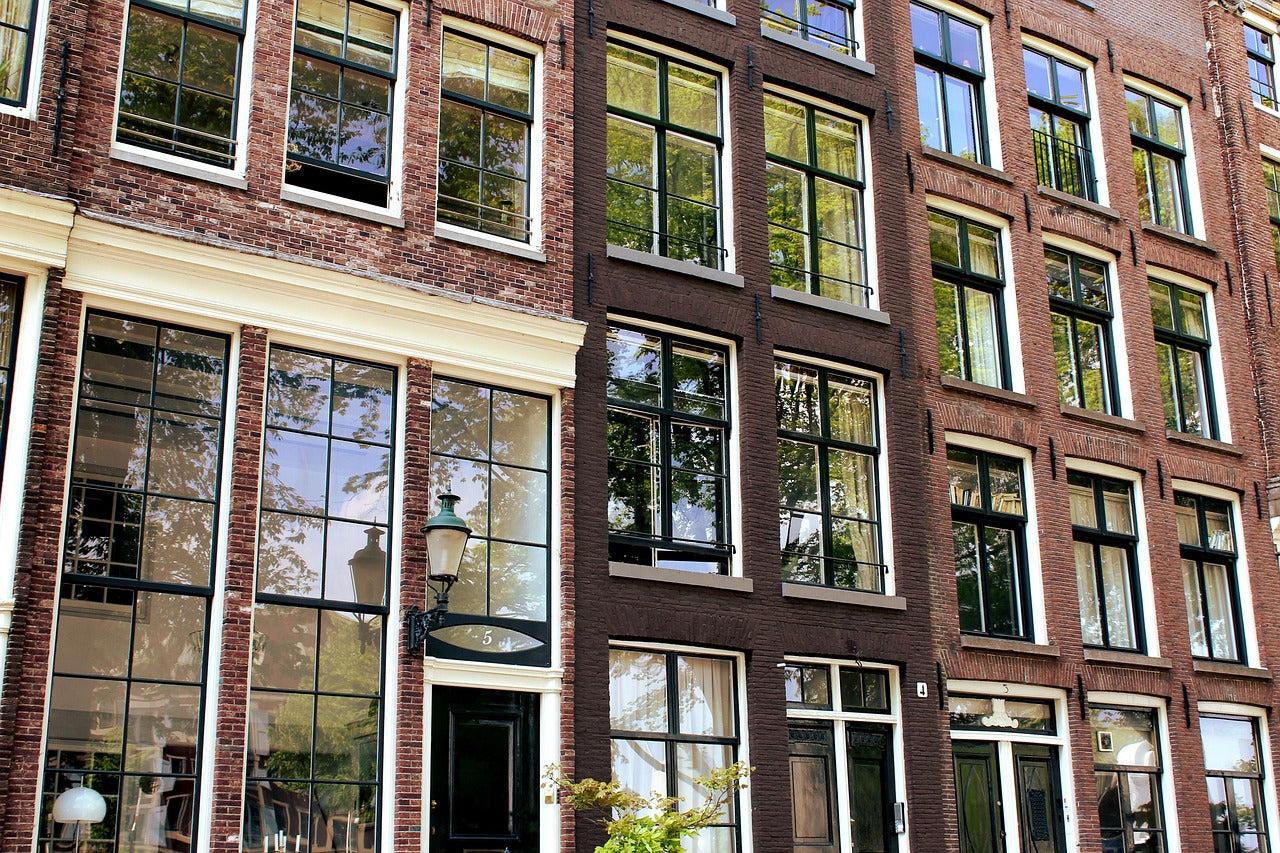
UV is the main cause of fading. Carpet near a storefront window, a leather sofa in a reception area, wood floors and printed displays all lose color where the sun hits them every day. Quality window film blocks most of the UV coming through the glass, which slows that fading and stretches the time before things need replacing. Check the UV rejection value on the data sheet for the film you plan to use.
4. Privacy without losing daylight
Offices, clinics, studios and some shops need to limit what people outside can see. Frosted, decorative and reflective films do that while still letting daylight in, which blinds and curtains cannot. Keep in mind that reflective film gives one-way privacy only when it is brighter outside than inside. At night, with the lights on, the effect reverses.
5. Safety and glass retention
Glass can break from an impact, a storm or vandalism. Safety and security films are thicker and are designed to hold the broken pieces together instead of letting them fall or spray across the floor. They also make a smash-and-grab slower. For ground-floor storefronts and buildings open to the public, that lowers the risk of injury and cuts down on emergency board-ups.
6. A lower-cost alternative to replacing windows
Swapping old glass for insulated or low-E units is expensive and disrupts the building for weeks. Film goes onto the glass already there, usually floor by floor or room by room, with the space still in use. For an owner who wants better comfort or safety without a renovation, it is often the cheaper route.
Tips for building owners considering window film
- Start with the glass that gets the most sun. Large south- and west-facing windows benefit most.
- Match the film type to the problem: solar control for heat, a UV-blocking film for fading, frosted or decorative film for privacy, safety film for breakage.
- Use a trained installer. Good adhesion and clean edges depend on the install, and many warranties require professional application.
- Clean the film gently with a soft cloth and a non-abrasive cleaner. That is usually all the upkeep it needs.
- When working out the return, add up lower cooling load, less fading and replacement of furnishings, and the cost of the window replacement you avoid.
Commercial film jobs go faster when the installer has the right widths on the shelf. HIGHCOOL sells window film factory-direct from our Shanghai plant, ships it from China, and sends free A4 samples from our California sample stock to US addresses (you pay shipping) so you can show a client the options on their own glass. Samples to other countries usually ship from China, with shipping quoted by destination. Contact us for samples and a quote, or see the full range at highcool.com.
FAQ
Does commercial window film reduce energy costs?
Yes, solar control film lowers cooling load by rejecting part of the sun's heat at the glass. The savings depend on the film, the glass, the climate and the building's orientation. South- and west-facing glass in hot regions sees the biggest difference.
Does window film darken an office?
It does not have to. Many films cut heat and glare while letting most visible light through, so rooms stay bright. Darker and reflective films are available when privacy matters more than daylight.
Can window film stop glass from shattering?
Safety and security films hold broken glass together so it does not fall or scatter. They do not make glass unbreakable. They reduce injury risk and slow down forced entry through a storefront.