
Heat rejection is where cheap tint gets caught out. A dark dyed film looks like it should keep a car cool. It doesn't. It soaks up sun, warms the glass, and dumps that heat back into the cabin. Dark and cool are two different jobs.
If you want a film that actually pulls heat down, you want nano-ceramic. We make ours with a ceramic particle layer instead of dye or metal, so it rejects infrared without going dark and without killing your phone signal. That is why a ceramic film can hold useful heat rejection even at a light shade, which matters for a windshield strip or a legal front.
The number that counts is TSER, total solar energy rejected. It rolls up visible light, UV, and infrared into one honest figure. Compare films on TSER at the same VLT and the gap between a ceramic film and a dyed one at the same darkness is obvious. Same look, very different comfort.
Watch out for one trick. Some sellers quote "IR rejection 99%" measured at a single wavelength where any film scores high. Ask for the full-spectrum IR figure across 780 to 2500nm and the TSER at the shade you actually sell. If they only have the one big number, that tells you plenty.
We publish the VLT, TSER and full-spectrum IR figures for every shade on the spec sheet rather than in a blog post, because the numbers change by shade and we would rather hand you the sheet than a headline. Ask and we send it with the sample.
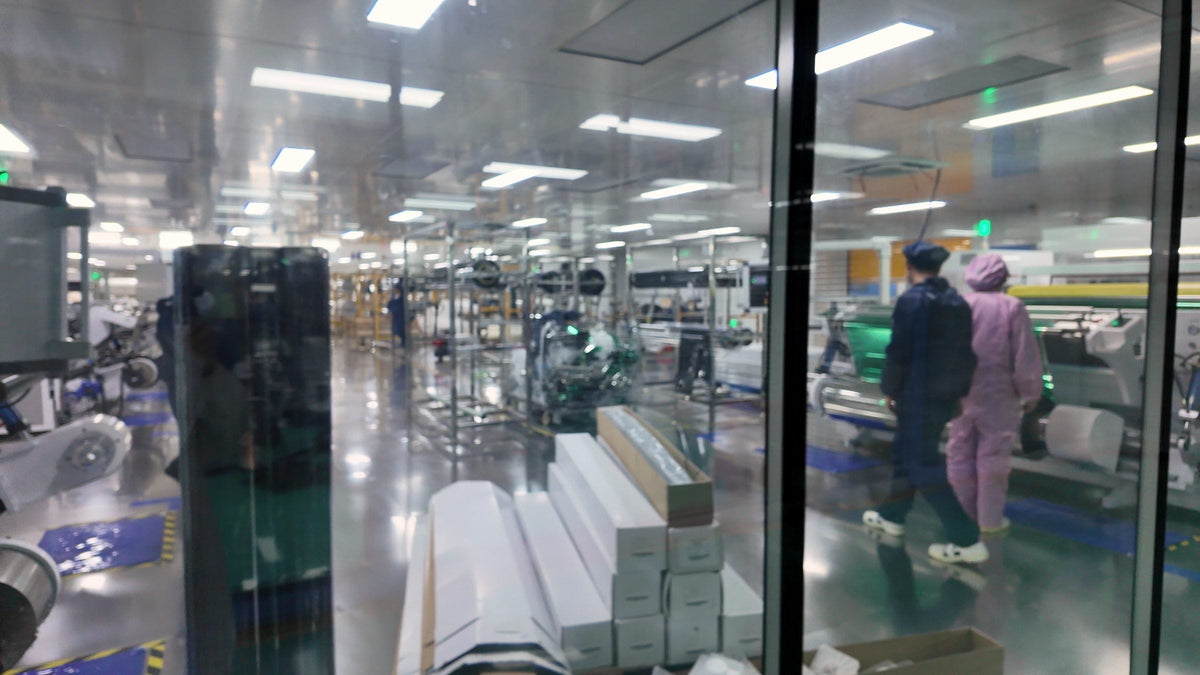
We are a factory, so we tune the recipe. Want more heat rejection at a lighter shade for a hot market? We build that batch. Selling into a place that wants privacy plus comfort? Different formula.
Free samples ship for our window tint. Hold the film to a heat lamp, put a dyed roll next to it, and feel the back of your hand. That test closes more sales than any spec sheet we could send.
Want to compare our nano-ceramic tint against what you run now? Grab a free sample, the full spec sheet, and a wholesale quote on our wholesale and samples page.
FAQ
What is the best window tint for heat rejection?
Nano-ceramic tint. It uses ceramic particles to reject infrared heat instead of dye or metal, so it stays cool without going dark and without blocking signal. Check the TSER and full-spectrum IR numbers before you buy.
Does darker tint reject more heat?
No. Darkness is VLT, which is how much light gets through. Heat rejection tint can be light and still block most infrared. A dark dyed film often absorbs heat and re-radiates it into the car.
How do I compare two tint films fairly?
Compare TSER at the same VLT, and ask for full-spectrum IR rather than a single-wavelength number. Then test both films side by side under a heat lamp before you stock either one.
Compare available VLT levels and specs in our window tint film collection, or request a sample.

مشاركة:
Factory-Direct vs Distributor: The Margin Math on Wholesale PPF
Do Ceramic Tints Block UV and IR? A Spec Guide for Tint Shops