
Roll 1 installs clean. Roll 47, same SKU, fights the squeegee and pulls differently on the plotter. That gap is batch consistency, and it is the one spec no factory prints on the box.
Variation creeps in at every stage of extrusion. A factory swaps resin lots to chase spot pricing, the topcoat coating weight drifts, an oven zone runs five degrees hot for a shift. None of it shows on the label. The film still measures 6.5 mil, still says TPU, still ships. It just behaves like a different product on the car.
If you run a shop, you already know the bill for this. An installer pulls a pattern he has cut a hundred times, and this roll stretch-marks on a fender edge where the last ten never did. The redo eats the labor margin on the job. Two redos in a month and your installer stops trusting the brand. Once that happens, you stop stocking it, whatever the price was.
You can screen for this before you commit shelf space. Ask the factory for batch records: thickness readings taken across the width of the web rather than one nominal number, color and haze values logged per lot, and whether retention samples are kept from every production run. Then test the claim yourself. Order samples twice, eight or ten weeks apart, and confirm the date codes show different batches. Measure both with a micrometer. A supplier that only ever ships you film from one golden batch is telling you something too.
The math on why this is worth an afternoon is short. A 60-inch by 50-foot roll covers roughly one full-size car with sensible nesting. If inconsistent film costs you one redo for every three rolls, that is several hundred dollars of labor quietly added to each roll you buy, which is a bigger number than the price gap between cheap film and good film.
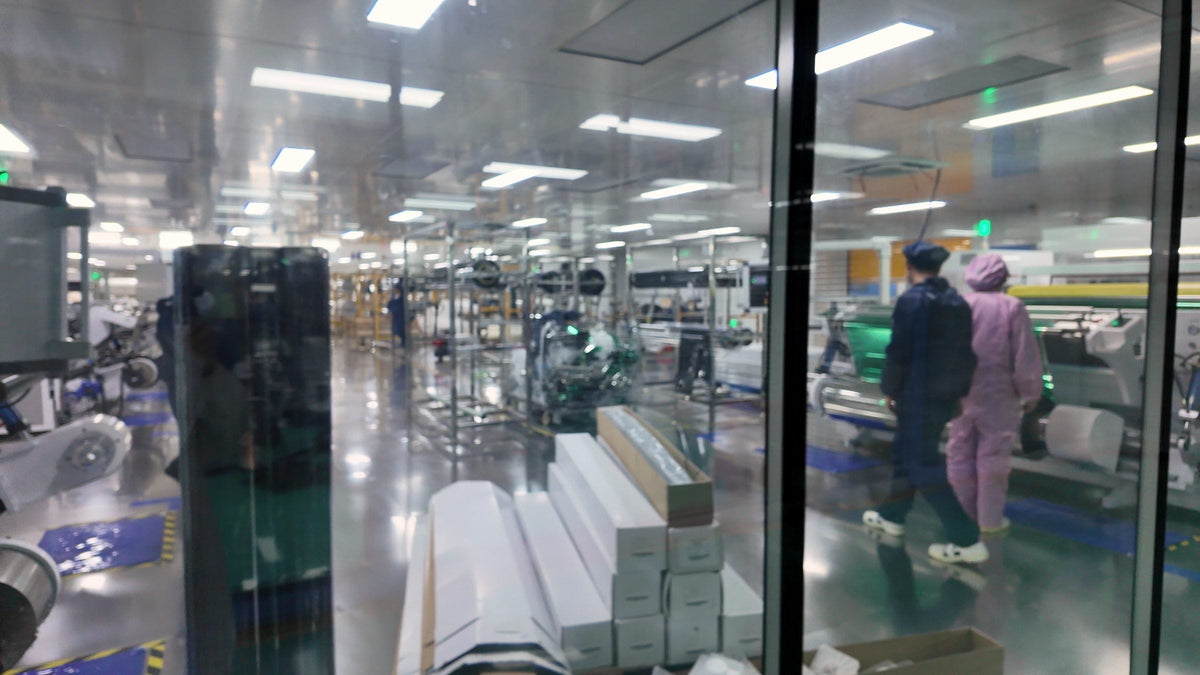
On our side, we run production in our own 20,000 m2 facility and build every roll on TPU base resin from Lubrizol, BASF, and Covestro rather than whatever polymer is cheap that month. We will not print internal tolerance numbers here, because a figure without its measurement method is marketing. Ask us for batch data when you request a quote and judge it on your own bench; factory-direct answers come back within 12 hours. How the rest of the chain stays tight is covered in our supply chain article.
The cheapest way to check us is the free sample kit. Order one now and another next quarter, put both under a micrometer and a bright light, and see whether we hold our numbers. Start at our wholesale and free sample page.
FAQ
What is PPF batch consistency?
Batch consistency means every production run of a film SKU matches the last one in thickness, color, clarity, stretch behavior and adhesive tack. Consistent film installs the same way every time, so cut patterns, labor estimates and finished results stay predictable for the shop.
Why does PPF vary between batches?
The usual causes are resin lot changes, drift in topcoat or adhesive coating weight, and temperature swings on the extrusion line. Factories that switch resin suppliers to chase spot prices see the widest swings, because the base polymer itself changes underneath the same product name.
How can a dealer test a supplier's consistency?
Order samples from at least two different production dates and compare thickness, color and stretch side by side. Ask the factory for batch QC records and whether it keeps retention samples from each run. A supplier that cannot show batch data is asking you to absorb the variation yourself.
Need rolls for this kind of job? Ask for a quote, or look through the Paint Protection Film (PPF) range first.


مشاركة:
أفضل مصنّعي وعلامات أفلام حماية الطلاء PPF لعام 2026: دليل شراء مهني ومحايد
How to Read a QUV Test Report for PPF