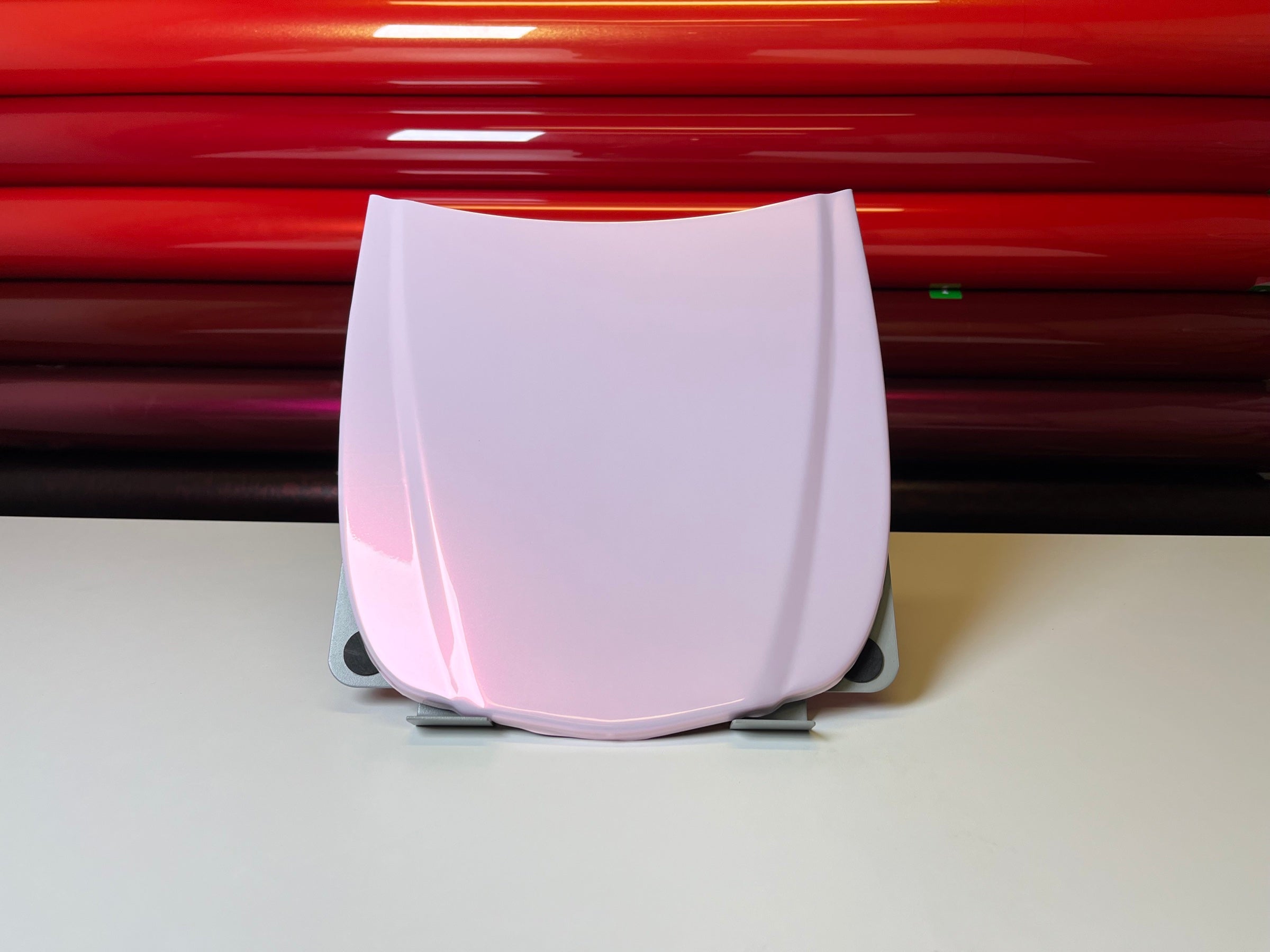
Which Panels Suit Calendered Vinyl Wrap? A Panel-by-Panel Guide for Shops
Calendered Vinyl Wrap lays down clean on flat and gently curved panels: roofs, hoods, door skins, trunk lids and most fenders. Deep recesses and compound curves are where it needs a plan. Bumper pockets, mirror caps, door handle cups and plate recesses go on as inlays or with a relief cut, and every stretched area gets a full post-heat. Shops that sort the panels this way before they quote get far fewer cars back.
The reason sits in how the film is made. Calendered PVC is pressed into a sheet between heated rollers, and it keeps a memory of that flat sheet. Stretch it hard into a deep pocket and it spends the next warm week trying to pull back out. Our Vinyl Wrap is calendered PVC, 6.5 mil, on 60 in x 55.8 ft rolls (1.52 x 17 m, 278 sq ft), with a 2-year warranty. We would rather say that up front than let a shop find out on a bumper.
A typical callback after a skipped plan goes like this. The car leaves on Friday looking perfect. On Tuesday the customer sends a photo of a thin silver line along the deepest edge of the fog light pocket, where the film has lifted off the plastic and caught the light. Nothing is wrong with the hood or the doors. One pocket is enough to make the whole job look cheap.
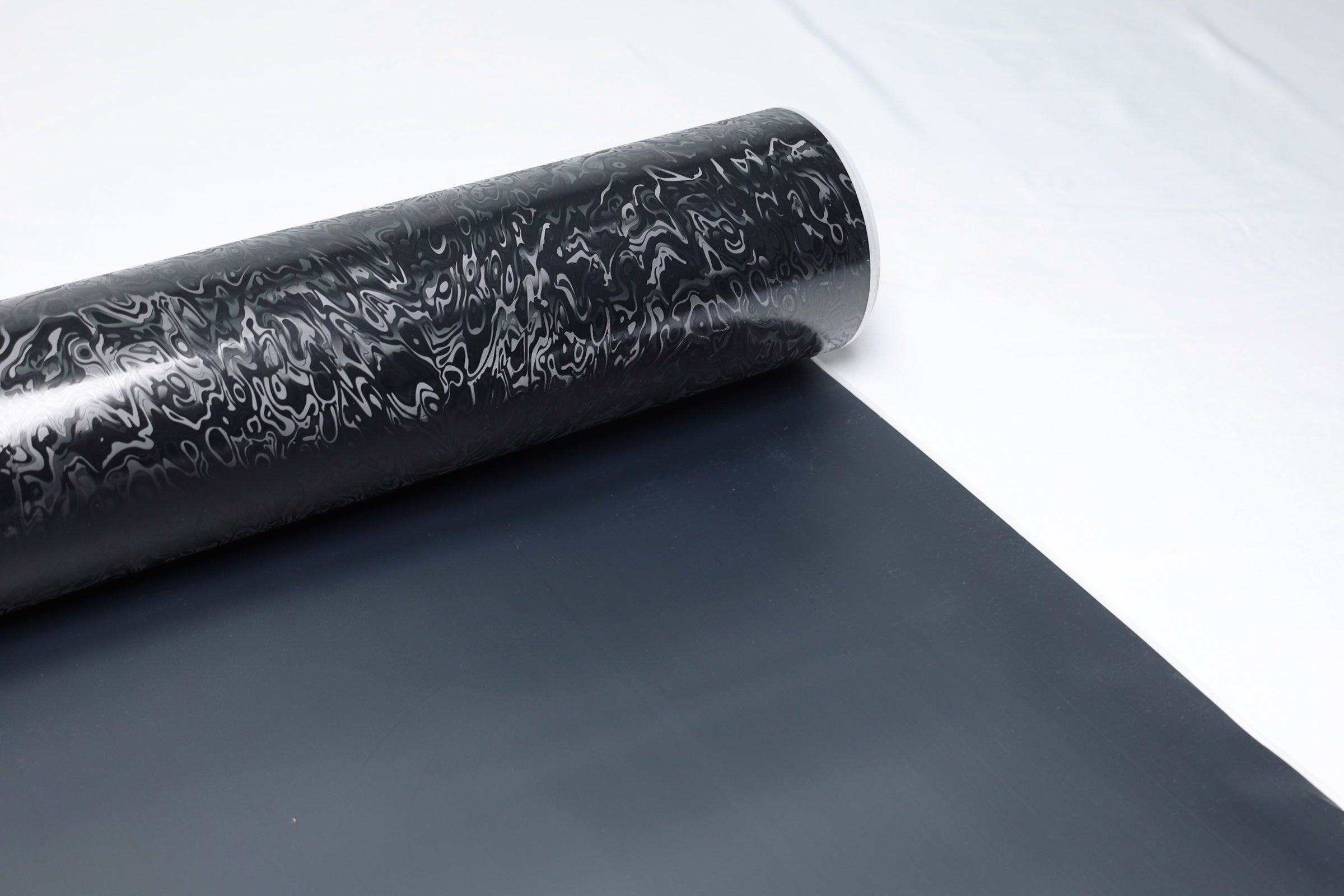
Panel by panel
The table sorts a typical passenger car by how calendered film behaves on each area and what to plan before you cut.
| Panel | How calendered film behaves | What to plan | Tell the customer |
|---|---|---|---|
| Roof | Flat, the easiest panel on the car | Light heat, clean edge wraps, post-heat the edges | Nothing special |
| Hood | Mostly flat; body lines and the front edge take some stretch | Post-heat the body lines and the tucked edge | Washer jets and badges are trimmed around |
| Doors | Flat to gentle curve; handle cups are deep | Inlay or relief cut the handle cups | A small seam may sit inside the cup |
| Fenders and quarters | One-direction curves go down fine; flared arches pull | Do not overstretch at the arch lip; post-heat it | Wide flares may need a seam |
| Trunk lid or tailgate | Mostly flat; the plate recess is deep | Wrap the plate recess as a separate piece | The plate recess may show a seam |
| Front bumper | Broad face is fine; vents, fog pockets and sensor rings are deep | Inlay each pocket, post-heat every stretched area | Seams in pockets; priced per pocket |
| Rear bumper and diffuser | Lower sections have tight returns and steps | Split at natural body lines | Seams on the lower section |
| Mirror caps | Compound curve, the highest stretch on the car | Two pieces or an inlay; long post-heat | The most likely place to see a seam |
| Spoilers and lips | Narrow, with sharp ends | Wrap the ends separately | Small seams at the ends |
Roof, hood, doors and fenders make up most of the painted area, and that part is routine work for calendered film. The time and the risk sit in a handful of pockets, so that is where the quote should carry the extra labor.
What to say before you quote
Most callbacks on calendered film are an expectations problem first. If the customer has been told about the seam in the mirror cap, a clean seam is part of the job. If nobody mentioned it, the same seam becomes a complaint. Walk the car with the customer, point at the pockets, and write on the work order which areas are inlaid. Price the bumper pockets as a line item so the quote explains itself.
Color matters too. Gloss dark colors and pale colors show overstretch first: the gloss dulls or the film thins and the base shows through. Textured films show it as a stretched pattern. On those colors, use more relief cuts and stretch less. If a customer wants deep pockets wrapped in one piece with no seams anywhere, they are asking for a different class of film, and it is fair to say so rather than force calendered film into the job.
Ordering for a full car
An inlay done six months later has to match the panel next to it. Every HIGHCOOL roll carries part number, batch and roll number on the roll core label. Copy those onto the work order, and order a full car from one batch. HIGHCOOL Vinyl Wrap is in stock in Shanghai and ships from China, and the ship date is confirmed on the proforma invoice, so order for the jobs you have booked ahead rather than for a car already in the bay. Before you stock a color, the Vinyl Wrap color chart is $30, shipping not included.
For the material side of the same question, our post on cast vs calendered Vinyl Wrap covers how each film is made. The full color range is on the Vinyl Wrap collection page.
Send us the car models you wrap most and the colors you want on the shelf, and we will quote calendered Vinyl Wrap rolls by volume within 12 hours. Ask for a Vinyl Wrap roll quote.
FAQ
Can calendered Vinyl Wrap do a full color change?
Yes, on most passenger cars, as long as deep recesses are planned as inlays or relief cuts and every stretched area is post-heated. Flat and gently curved panels make up most of the car and go down cleanly. Tell the customer where the seams will sit before you start.
Why does calendered vinyl lift in bumper recesses?
Calendered film keeps a memory of the flat sheet it was rolled into, so film stretched hard into a deep pocket tries to pull back. Overstretching and a short post-heat make it worse. An inlay in the pocket avoids most of that stretch.
What roll size does HIGHCOOL Vinyl Wrap come in?
HIGHCOOL Vinyl Wrap comes on 60 in x 55.8 ft rolls (1.52 x 17 m), 278 sq ft per roll. The film is 6.5 mil calendered PVC with a 2-year warranty, in 300+ colors. It is in stock in Shanghai and ships from China.