
Getting into detailing usually means renting a bay before you know your own numbers, and figuring out chemistry before you have a single regular customer. Start smaller than you think you need to.
Most people jump straight to buying a full lineup of coatings, polishes, and film before they have run a single paying job. Skip that. Pick one or two services you can actually do well, wash and interior detail is the usual starting pair, and get good enough at those that a customer tells a friend. The upsells, paint correction, coating, PPF, come later once you have cash flow and a few regulars who trust you.
Equipment matters less than technique early on. A cheap buffer in careful hands beats an expensive one used wrong, and burned paint from an inexperienced pass costs you a redo and a customer's trust. Practice correction technique on your own car, or a friend's beater, before you touch a paying customer's hood.
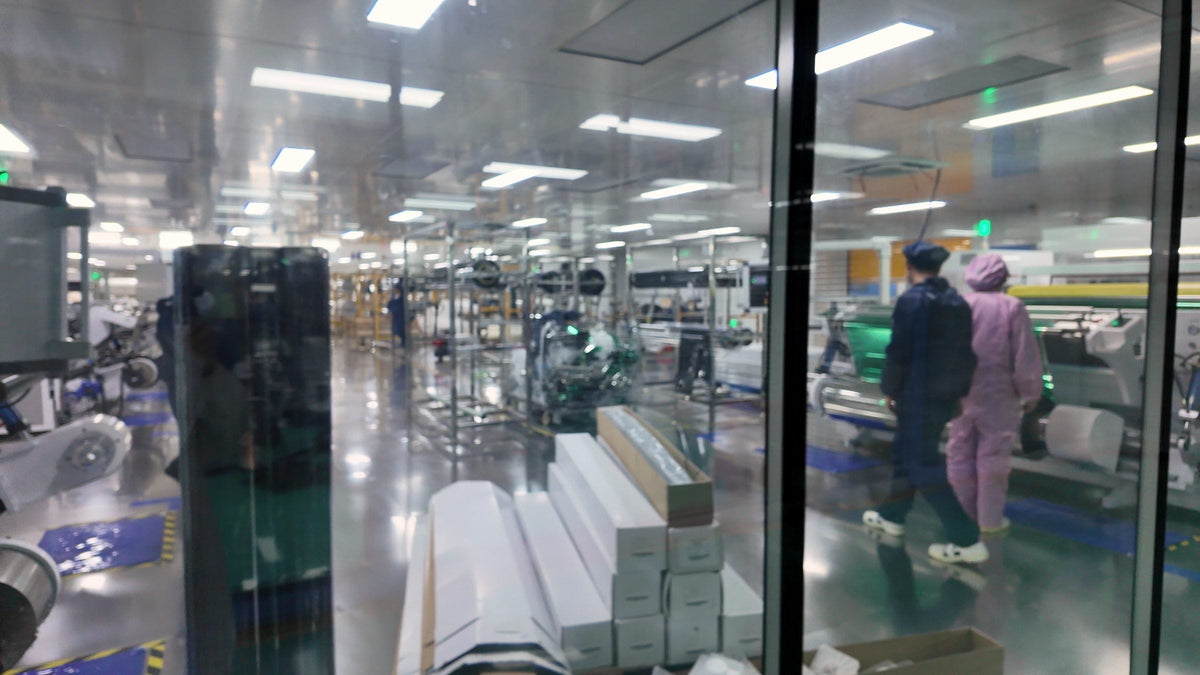
Suppliers matter more than most beginners realize. A factory that answers questions directly, ships samples so you can test material before buying in, and quotes you fast when you are ready to stock up, saves you from guessing with your own money on unproven product. We run our own 20,000 square meter facility and quote factory-direct within about 12 hours of a real inquiry, film or tint questions included.
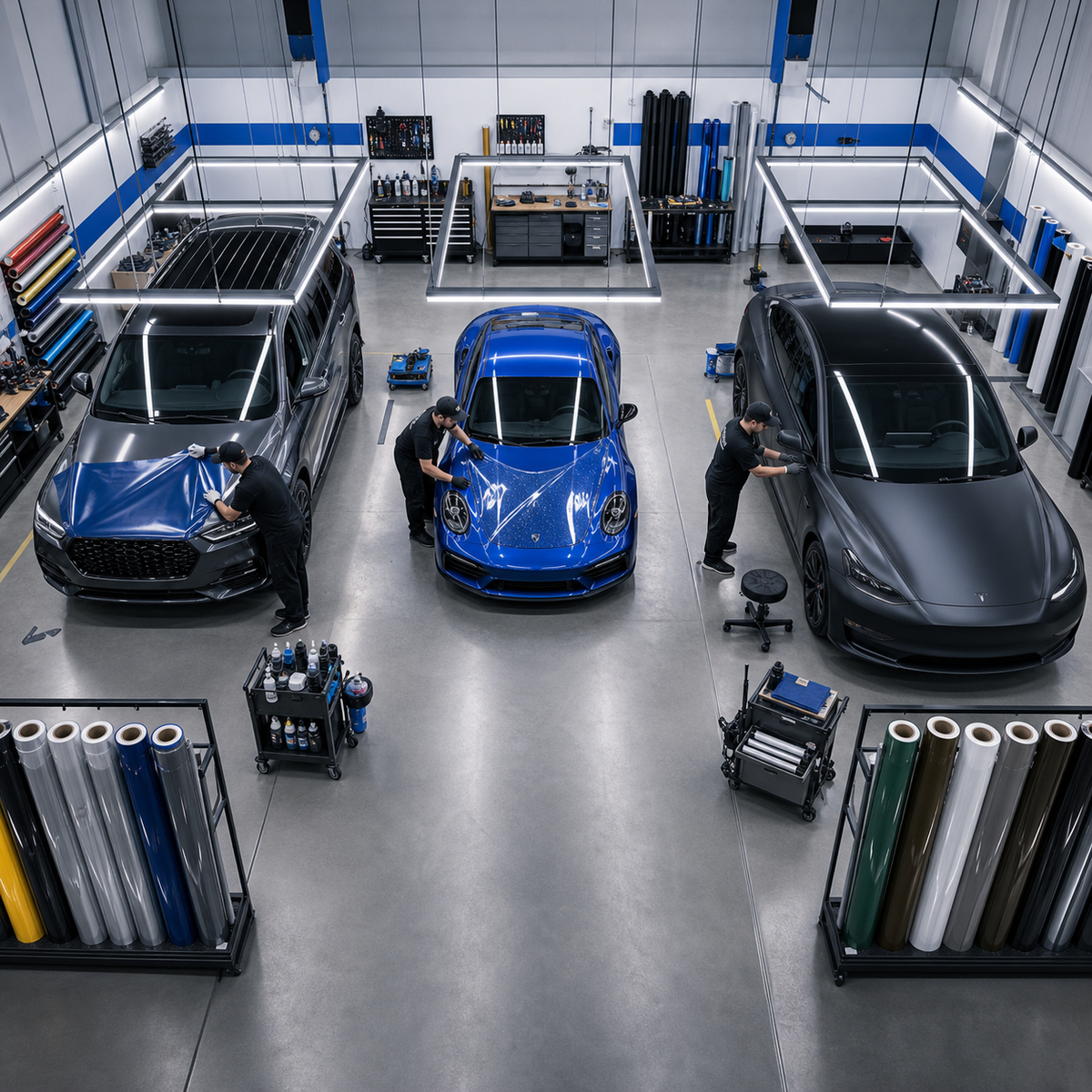
The learning curve on film and tint installs is steeper than polishing, so do not add PPF or wrap to your service list until wash, interior, and basic correction are solid and profitable on their own. Adding a service you are not ready for costs you a redo on someone's paint, and that story travels faster than any good review does.
If PPF or window tint is on your roadmap once the basics are dialed in, ask us for free A4 samples (you pay shipping) so you can practice cutting and edge work on scrap panels before it is on a customer's car.
FAQ
What detailing service should a beginner start with?
Wash and interior detailing. They have the lowest equipment cost and the shortest learning curve, and they build the customer base you need before adding paint correction or film.
Do I need expensive equipment to start detailing?
No. Technique matters more than equipment price early on. Practice correction on your own car before using it on a paying customer's.
When should I add PPF or window tint to my services?
After wash, interior, and basic correction are profitable and consistent. Film and tint have a steeper learning curve, and a bad install costs you a redo and your reputation.
When you are ready to add film, our Paint Protection Film (PPF) collection and window tint film collection list what we stock. PPF ships from California; window film ships from China.

Teilen:
HP Latex 54 Plus and Summa Plotters for Tint and PPF Shops
PPF Roll Sizes Explained: Which Widths Your Shop Needs