
Can PPF Peel Factory Paint?
By Mia Wang, Senior Technical Specialist at Highcool | November 2025
Yes, PPF can peel factory paint during removal. The risk is real but limited: 5–10% of professional removals on aged film (year 6+) result in some clear coat damage, mostly on softer Asian OEM paints. The risk drops to under 2% on properly removed films before year 5 and rises to 15–25% on DIY removals with heat guns.
This guide breaks down when removal damages paint, which paint types are most vulnerable, Toyota Tacoma-specific risks, the safe professional process, why DIY heat gun removal is the highest-risk method, and what repairs cost if damage happens. We won't pretend PPF removal is risk-free because it isn't.
The Short Answer: Yes, In Some Cases
PPF can pull factory paint when 3 conditions stack: aged adhesive (year 6+), softer paint types (most Asian OEM), and improper removal technique (heat gun without speed control). All three together push damage risk above 15%.
- Risk by removal age: Year 1–5: under 2%. Year 6–8: 5–10%. Year 8+: 15–25% on uncared-for film.
- Risk by paint type: German OEM (BMW, Mercedes, Audi): 1–3%. American OEM (Ford, Chevy, RAM): 2–5%. Asian OEM (Toyota, Honda, Nissan, Hyundai): 5–15%.
- Risk by removal method: Professional shop with heat tools: 2–5%. DIY heat gun: 15–25%. DIY no heat: paint damage near certain.
The single biggest risk factor isn't the film. It's the removal technique combined with paint hardness. Premium installers use temperature-controlled heat sources and pull films in clean 45-degree angles. DIY removal with a household heat gun creates hot spots that fuse film to clear coat.
When PPF Removal Damages Paint Most Often
Three scenarios account for most paint damage at removal: removing PPF past year 7 without prior maintenance, removing film that has experienced major edge lift, and DIY removal attempts with consumer-grade heat guns.
- Aged film past year 7: Adhesive cross-links over time. By year 7, the film and clear coat have effectively bonded into a single layer in some spots. Removal pulls clear coat with it.
- Film with major edge lift: Once edges have lifted and water has infiltrated, removal becomes unpredictable. The bonded center holds while loose edges tear unevenly.
- DIY heat gun removal: Most consumer heat guns hit 1,000°F+. PPF adhesive softens at 120°F; clear coat damages at 250°F+. The narrow safe window requires controlled tools.
If your film shows visible edge lift, that's a warning sign for removal risk too. See our ppf edge lift causesbreakdown for what to inspect before scheduling removal. Edge-lifted film is harder to remove cleanly than fully bonded film.
Paint Types Most Vulnerable to Damage
Factory paint hardness varies significantly across manufacturers and is measured in clear coat thickness and pencil hardness scale. Softer paint correlates directly with removal damage risk.
- German OEM (BMW, Mercedes, Audi, Porsche): 50–80 micron clear coat, 3–4H pencil hardness. Most resistant to removal damage.
- American OEM (Ford, Chevy, RAM, Dodge): 40–60 microns, 2–3H. Moderate damage risk.
- Asian OEM (Toyota, Honda, Nissan, Hyundai, Kia): 30–50 microns, 1–2H. Highest damage risk during PPF removal.
- Tesla: 40–55 microns, 2–3H. Closer to American OEM in damage profile.
Asian OEM paints aren't worse paints; they're optimized for different things (cost, scratch self-healing in some Honda lines, environmental compliance). But they're softer, and softer paint loses more material when stressed during PPF removal. Account for this when planning removal.
Toyota Tacoma and OEM Paint Vulnerability
Toyota Tacoma uses standard Toyota OEM paint with 35–45 micron clear coat. Truck owners commonly leave PPF on for 7–10 years before considering removal, which puts the Tacoma in the highest-risk category for paint damage at removal time.
- Year 5 removal on a Tacoma: 3–5% damage risk with professional removal. Acceptable for most owners.
- Year 8+ removal on a Tacoma: 10–15% damage risk professional, 25%+ DIY. Touch-up or repaint planning recommended in budget.
- Heavy use plus harsh climate (Texas, Arizona, Florida): Add 5% to all risk numbers above. Aged adhesive plus thermal stress plus UV damage compound at removal.
Tacoma owners considering long-term PPF often ask the same question: is the protection worth the removal risk later? For the cost recovery and 5-year value math, see our ppf at 5 years removalbreakdown. For most truck owners doing 25,000+ miles a year, the answer is yes. Factor removal cost into the original PPF budget.
The Safe Professional Removal Process
Professional PPF removal uses controlled heat at 120–140°F applied with steamer or infrared lamp, paired with low-angle peeling technique. The process takes 2–4 hours for full front coverage on a Toyota Tacoma.
- Surface clean: Wash and decontaminate the film surface to remove dirt that could scratch paint during pull.
- Controlled heating: Steamer or IR lamp brings adhesive to 120–140°F. Heat gun usage requires temperature monitoring with IR thermometer.
- Slow peel at 45 degrees: Film lifted at 45-degree angle, pulled slowly (1 inch per 2 seconds). Adhesive releases cleanly when temperature is right.
- Adhesive residue cleanup: Remaining adhesive removed with citrus-based cleaner or 70% isopropyl alcohol. No solvents that damage clear coat.
Total cost runs $400–$800 for full front removal on a Tacoma. Less than 5% of removals at this temperature and angle result in any paint contact damage. The combination of right tools and right technique is what separates safe removal from risky removal.
DIY Removal Risks and Tools
DIY PPF removal has 4–6x the paint damage risk of professional removal. The main culprits: uncontrolled heat sources, wrong peeling angle, and pulling too fast.
- Heat gun (most common DIY error): Consumer heat guns hit 1,000°F+. Without IR thermometer feedback, hitting safe 130°F means guessing. Hot spots fuse film to paint.
- Hair dryer (safer but slower): Maxes around 140°F. Safe for adhesive but takes 6–10x longer than professional steamers.
- No heat (paint damage near certain): Pulling cold PPF off rips clear coat almost every time on Asian OEM paints. Don't try this.
- Wrong angle (45° matters): Pulling 90° straight up creates concentrated stress that lifts clear coat. Pulling at 45° distributes the stress evenly.
DIY removal makes sense only for small single-panel sections, year 1–3 film (still flexible), and German OEM paint (hardest). For anything else, professional removal at $400–$800 is cheaper than a $2,500 hood repaint.
Repair Costs If Paint Gets Damaged
Minor clear coat damage from PPF removal repairs at $150–$400 per panel for spot polish and clear coat blending. Major damage requiring full panel repaint runs $800–$1,500 per panel.
- Spot polish (minor): $150–$400. For light hazing or 1–2 small clear coat lifts under 1 inch².
- Panel blend (moderate): $400–$800. For multiple small damage spots requiring matched clear coat blending.
- Full panel repaint (major): $800–$1,500 per panel. For 2x2 inch or larger damage areas that need re-base coat plus clear coat.
- Full hood repaint: $1,500–$3,000. Worst-case outcome when removal damages most of a panel.
Insurance generally won't cover PPF removal damage because it's classified as a maintenance action, not an accident. Some installers offer removal damage guarantees at the time of original install for an extra $200–$400. Consider this if you're keeping the vehicle past year 5.
How to Prevent Paint Damage at Removal
Prevention happens at 3 stages: at original install (choose removable adhesive grades), during ownership (regular maintenance keeps adhesive aging linear), and at removal (use a shop experienced in your specific paint type).
- At install: Ask for "removable adhesive grade" if available. Some premium TPU lines use an adhesive that stays removable past year 7.
- During ownership: Annual professional inspection ($80–$120) catches degradation early. Annual maintenance keeps film aging linear instead of cliff-dropping.
- Before removal: Ask the shop how many removals they do per month. Anything under 10 means thin experience. Ask specifically about their experience with your paint type (Asian OEM is the highest-skill category).
The biggest single prevention factor is matching the removal shop to the vehicle. A shop that does 50 Tesla removals a month may have low Tacoma experience. Verify before booking, especially on aged film past year 6.
Frequently Asked Questions
does ppf damage paint when removed
Yes, in 2–25% of removals depending on film age, paint type, and removal method. Professional removal of year 1–5 film on German OEM paint: under 2% risk. DIY removal of year 8+ film on Asian OEM paint with a heat gun: 25%+ risk. The technique and tools matter more than the film itself.
how do you remove ppf without damaging paint
Use controlled heat at 120–140°F (steamer or IR lamp, not heat gun), peel slowly at a 45-degree angle, and clean adhesive residue with 70% isopropyl alcohol. Professional removal runs $400–$800 for full front on a Tacoma. DIY removal requires an IR thermometer, patience, and only makes sense on year 1–5 film with German OEM paint.
can old ppf be removed safely
Yes, but with higher risk. Year 6–8 film: 5–10% paint damage risk with professional removal. Year 8+: 15–25% risk. The longer film stays on past year 6, the more the adhesive cross-links with clear coat. Use a shop experienced in aged film removal. Budget for possible spot polish repair at $150–$400 per panel.
does ppf removal damage clear coat
Sometimes, mostly on softer Asian OEM paints (Toyota, Honda, Nissan). Clear coat damages at temperatures above 250°F or when pulled at wrong angles. Properly removed PPF leaves clear coat intact in 95%+ of professional removals. The damage rate jumps to 75–80% intact for DIY heat gun removal on aged film.
what happens if ppf is left on too long
Past year 8–10, the adhesive cross-links with clear coat and removal becomes increasingly destructive. The film also yellows visibly, self-healing fails, and edge lift becomes widespread. Most premium TPU PPF should be planned for replacement around year 7 in moderate climates and year 5 in hot climates to avoid the high-risk removal zone.
is it worth removing old ppf
Yes if planning to sell the vehicle or replace with new PPF. Yellowed, edge-lifted, or damaged film hurts resale value more than clean paint would. Removal cost ($400–$800) plus possible repair ($150–$800) totals less than the resale value impact of selling with degraded film visible. Plan the removal budget when buying the original PPF.
Conclusion
PPF removal damaging factory paint is a real risk, especially on aged film and softer OEM paints. The honest answer to "can PPF peel factory paint" is yes in roughly 5–15% of cases on year 6+ removals, with the risk dropping below 2% on properly removed films before year 5. Choose installers experienced in your paint type, plan replacement before year 8, and budget for possible spot repairs. For TPU PPF with removable adhesive grades that age predictably, browse our PPF lineup for current spec sheets and warranty terms.
Bottom line: PPF can peel paint in 5–15% of removals on aged film, with risk driven by paint hardness and removal technique.
Sourcing film for jobs like these? See current rolls and specs in our Paint Protection Film (PPF) collection, or request a sample.
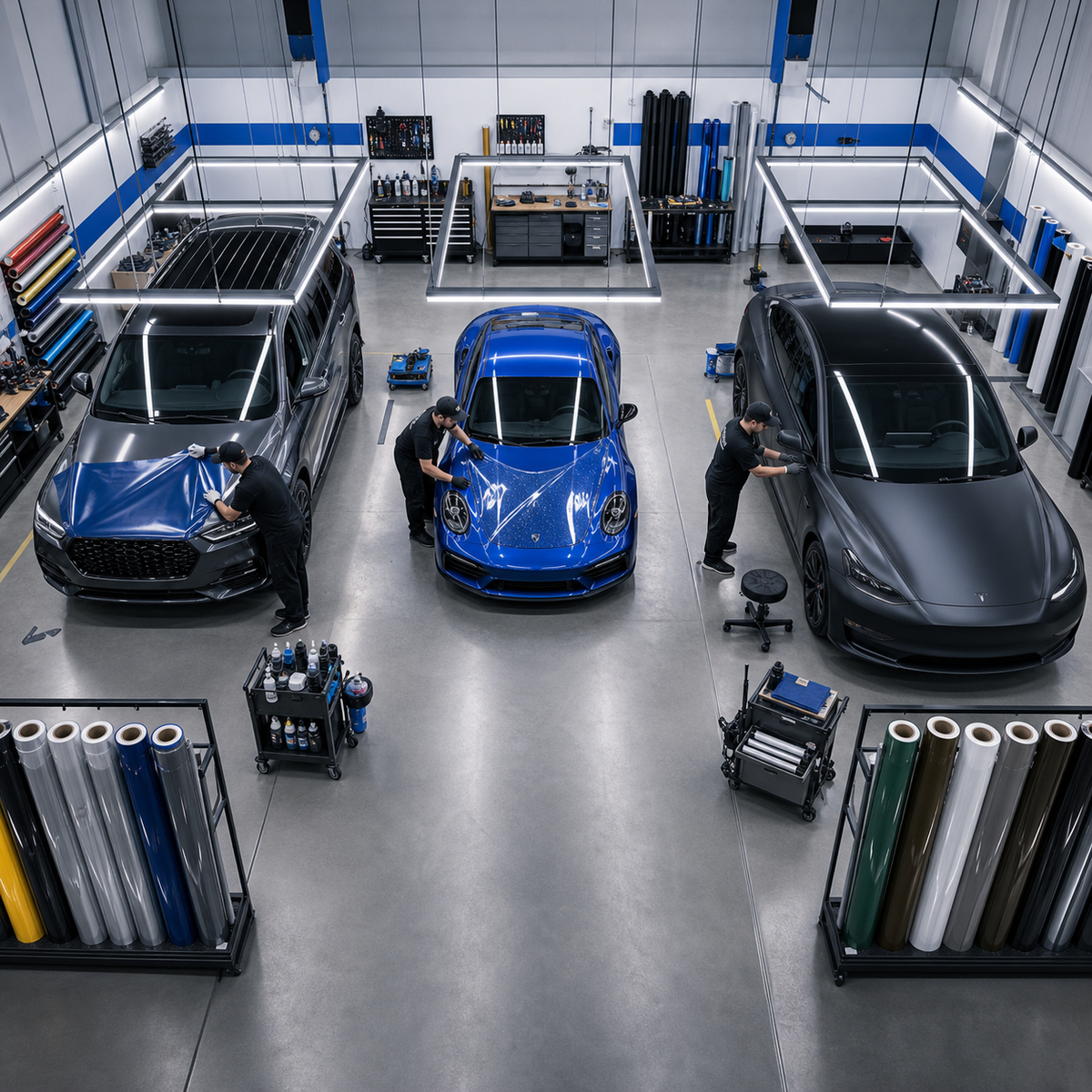

Share:
PPF Edge Lift After Installation: 5 Causes and Fixes
PPF Rock Chip Protection: How Impact Testing Works for Buyers