
PPF runs $600 to $1,500 for a partial front, $1,500 to $3,500 for a full front, and $5,000 to $8,000 or more for full body. Whether it's worth it comes down to two things: what you drive, and how long you plan to keep it. Most people don't need full coverage. Some people shouldn't get PPF at all.
This guide walks through what PPF actually costs, how long it lasts, when it beats ceramic coating, when it doesn't, and the questions to ask a shop before you book.
How Much PPF Actually Costs

A full PPF install on a daily-driven sedan typically lands between $1,500 and $3,500 for front-end coverage. Full body sits much higher.
- Partial front (bumper, hood edge, mirrors): $600 to $1,500. Best for short ownership and low-rock-chip routes.
- Full front (bumper, full hood, fenders, mirrors): $1,500 to $3,500. The package most shops recommend.
- Track pack (full front plus rockers and A-pillars): $2,000 to $4,500.
- Full body: $5,000 to $8,000 or more on premium installs, with luxury SUVs and trucks pushing higher.
Material runs roughly $2 to $12 per square foot. Premium 8-mil self-healing TPU sits in the $7 to $12 range. Cheap PVC-based film at $2 to $3 per foot looks the same on day one and yellows within 18 months. The wholesale breakdown is in the 2026 PPF price guide.
How Long PPF Lasts on a Daily Driver
- Premium TPU PPF: 7 to 10 years of real-world life. Our own film carries a 5 to 10 year no-yellowing warranty.
- Budget PVC or older-gen films: 2 to 4 years. Edge lift and yellowing show up first, on the hood corners and bumper edges.
Climate matters more than people expect. A car parked outside in Phoenix or Las Vegas sees UV degradation 30 to 40 percent faster than the same car in Seattle, which we measured in the Arizona heat write-up. Coastal salt air shortens edge-seal life. A garaged car in a moderate climate can push 10 years on a quality install.
PPF vs Ceramic Coating vs Wax

These three get compared constantly. They don't do the same job.
- PPF: Physical barrier. Stops rock chips, light scratches, bug acid, and most road debris. Self-healing films pop minor swirl marks out with heat. Costs $1,500 to $8,000.
- Ceramic coating: Chemical layer. Adds gloss, hydrophobic water beading, and easier washing. Does almost nothing against rock chips. Costs $500 to $2,000 and lasts 2 to 5 years.
- Wax: Same idea as ceramic, weaker. Lasts 2 to 4 months. Costs $100 to $300 per application.
The real answer for high-value cars is usually PPF on impact zones plus ceramic coating over everything else. Combined packages run $2,000 to $4,500 at most reputable shops. The full comparison is in PPF vs ceramic coating.
When PPF Is Not Worth It
PPF doesn't make sense for every car. Skip it or scale it back if any of these apply.
- You're selling within 12 months. PPF rarely returns more than 10 to 15 percent of its cost at resale, and most buyers don't pay extra for it.
- The paint is already damaged. PPF goes over factory paint. Existing rock chips and swirls need correction first, which adds $500 to $2,000 before any film goes on.
- You drive an older car worth under $15,000. A $4,000 full front on a 2017 Camry doesn't make financial sense. A respray costs about the same.
When PPF Is Worth Every Dollar
- New car, planning to keep it 5 or more years. Full front protection at $2,000 to $3,500 saves you from $500 to $3,000 per panel in repaint costs later.
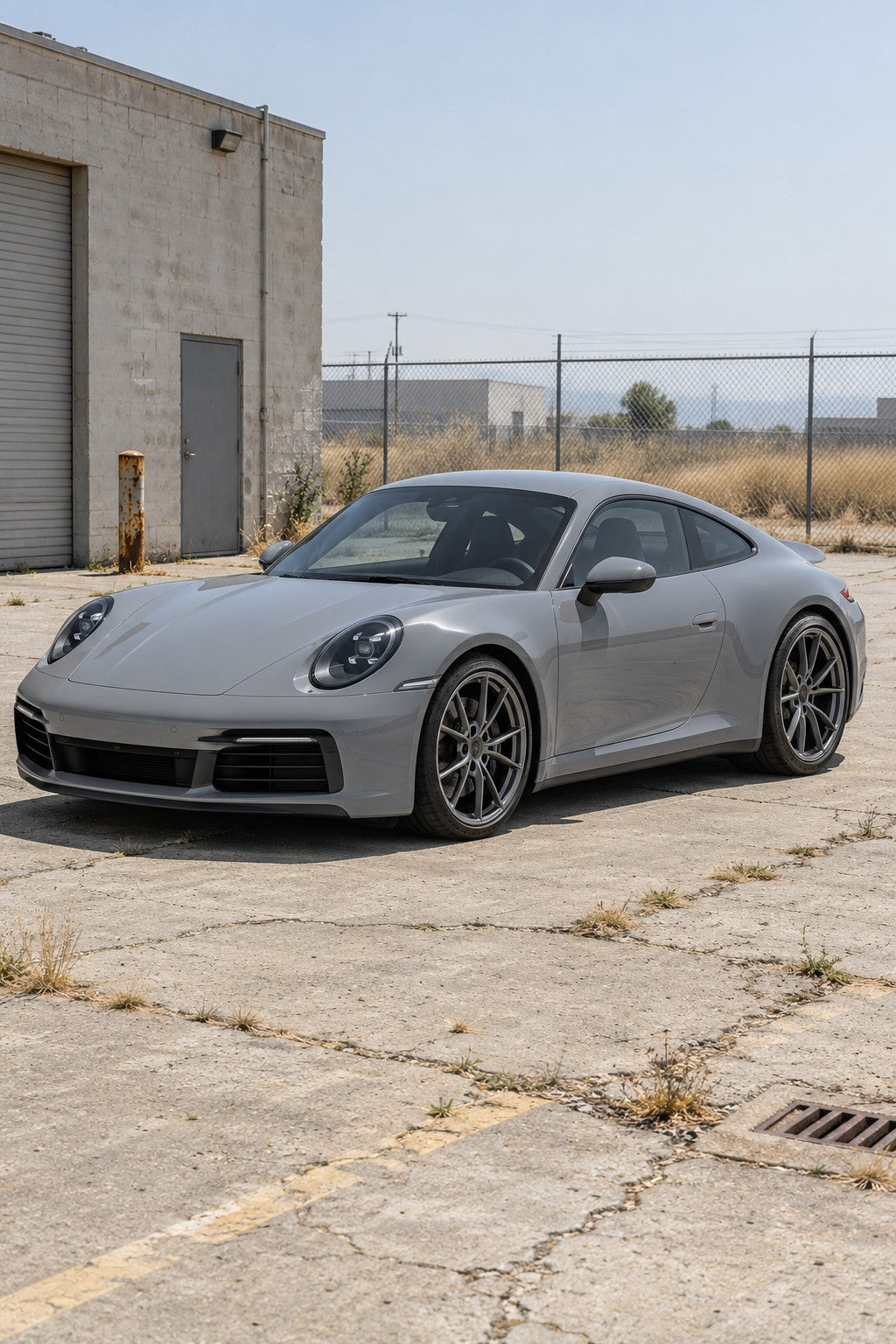
- High-end paint. A single bumper respray on a Porsche 911 runs $2,500 to $4,000. PPF beats that on the first rock chip.
- Highway commutes with heavy truck traffic or gravel roads. Rock chip frequency on these routes makes full front PPF a 12 to 18 month payback.
- Keeping a lease clean to avoid wear-and-tear charges. Lease return inspectors hit you for chips and scratches. PPF removes cleanly at lease end.
Last year one shop in Texas used our 8.5 mil TPU PPF on around 20 Ford F-150 trucks for a local construction fleet. After about 18 months, most of the front hoods still looked clean and we didn't get edge lift complaints from the installer. Before that they used a cheaper film and had yellowing issues after one summer.
Installation Time and What to Expect

A full front PPF install takes 1 to 3 days. Full body runs 5 to 10 days in a controlled environment.
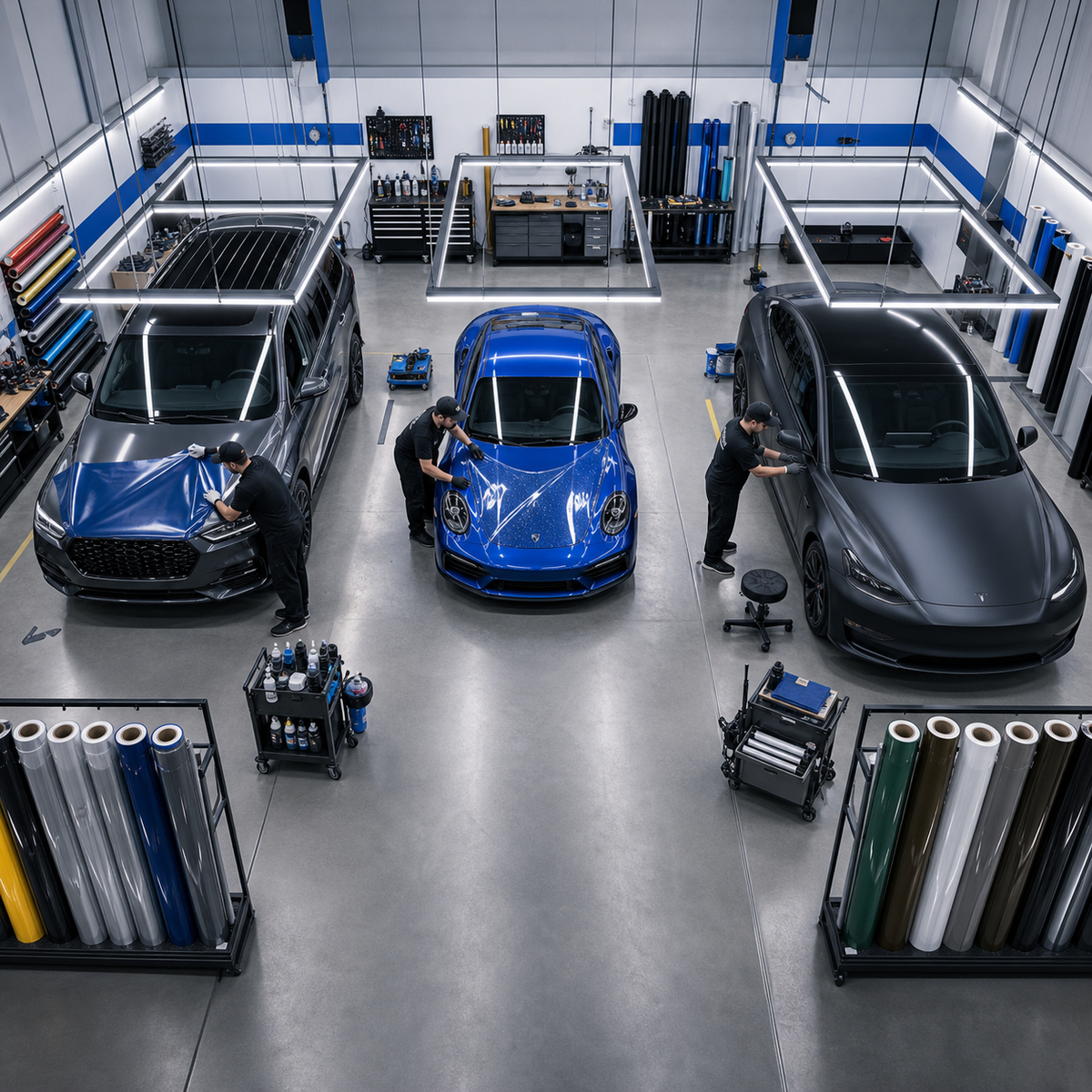
The job is mostly prep. A quality installer spends 60 to 70 percent of the labor on washing, decontaminating, claying, and inspecting the paint. The film itself goes on in a temperature-controlled room using slip solution and squeegees. Don't let a shop install in a dusty parking lot. You'll see contamination under the film within weeks.
After install, the film needs 48 to 72 hours to cure before the first wash. Most shops give you a written aftercare sheet. Read it.
Maintenance Required for PPF
PPF needs less daily maintenance than people assume. Skip the wax. Skip the polish.
- First 7 days: No washing. No rain if avoidable. Park indoors if possible.
- Ongoing: Hand wash with pH-neutral soap. Avoid automatic brush washes for the first 30 days. Touchless washes are fine after that.
- Annual: Inspect edges for lift, especially on bumper corners and mirror caps. A good installer tucks most edges to make this rare. The causes are covered in PPF edge lift causes.
A ceramic coating layered over the PPF adds about $400 to $800 and makes washing dramatically easier. Most people who get full-body PPF should add it.
How to Pick a PPF Shop
The film quality matters less than the install. A perfect film on a dirty surface fails faster than a mid-grade film installed properly in a clean room.
- Ask to see their install bay. It should be enclosed, well-lit, dust-controlled, and climate-controlled. If they install outside or in an open mechanic shop, walk away.
- Ask which film tier they're quoting. A brand name alone isn't enough. Most brands run several product lines and the prices differ by 20 to 40 percent.
- Get the warranty in writing. A real warranty covers yellowing, cracking, and delamination, and is registered with the film manufacturer, not just the shop.
- Three quotes minimum. Prices vary 30 to 50 percent in the same metro area for the same vehicle and same coverage.
Bottom line: PPF is worth it when you own a vehicle worth protecting for 5 or more years and drive routes that chip paint. Full front at $1,500 to $3,500 hits the best cost-to-protection ratio for most drivers.
Conclusion
PPF pays off when the math works: a vehicle you'll keep, paint that's expensive to repair, and driving conditions that actually chip paint. Full front coverage is the right answer for most owners. Full body is for high-value cars or owners who genuinely hate stone chips. Skip PPF on cars you're selling soon or on paint that's already damaged.
Sourcing PPF for a shop or fleet operation? See our TPU paint protection film range, or ask for a free sample and a factory-direct quote.

Share:
Is Ceramic Tint Worth It? Compare Performance, Cost and Samples
PPF Wholesale Supplier: How to Source TPU Film for Your Shop