
HIGHCOOL, XPEL and 3M all sell TPU paint protection film with self-healing topcoats and long warranties, so for a shop owner the real comparison is less about the film chemistry and more about warranty terms, dealer rules and what a roll costs you. This post lays out what each brand publishes and what to ask before you switch. We make one of the films in this comparison, so read it as a factory's view, check the brand sites yourself, and test any film on your own table before you commit.
What the big brands publish
XPEL, 3M and SunTek are the names most US customers already know. Their flagship lines all carry ten-year coverage. 3M lists its Scotchgard Paint Protection Film Pro Series at 8 mil with a warranty of ten years from the date of purchase. SunTek offers a 10-year limited warranty on its Ultra film against cracking, bubbling and yellowing. XPEL backs ULTIMATE PLUS BLACK with a 10-year warranty in its own product announcement. Brand recognition is real, too. Some customers walk in asking for a film by name, and that request is worth something to you.
Technical specifications side by side
We are not going to put invented numbers for other brands in a table. Use this one as a checklist, and fill in the competitor column from each brand's current data sheet.
| What to check | Where to find it for any brand | HIGHCOOL PPF |
| Base material | Data sheet: TPU grade and supplier | TPU from Lubrizol, BASF, Covestro or Wanhua, depending on the grade. |
| Adhesive | Data sheet or ask the rep | Ashland adhesive on the Lubrizol, BASF and Covestro grades. The Wanhua grade uses a domestic adhesive. |
| Topcoat | Data sheet | Self-healing topcoat |
| Warranty | Brand warranty page | 5 to 10 years, by grade |
| Traceability | Ask how a claim is tied to a roll | One roll, one code: serial and QR warranty tracing |
Thickness, gloss and elongation figures vary by line and change between product generations. Ask every supplier for the current sheet and compare the same test methods.
Installation experience: tack and stretch
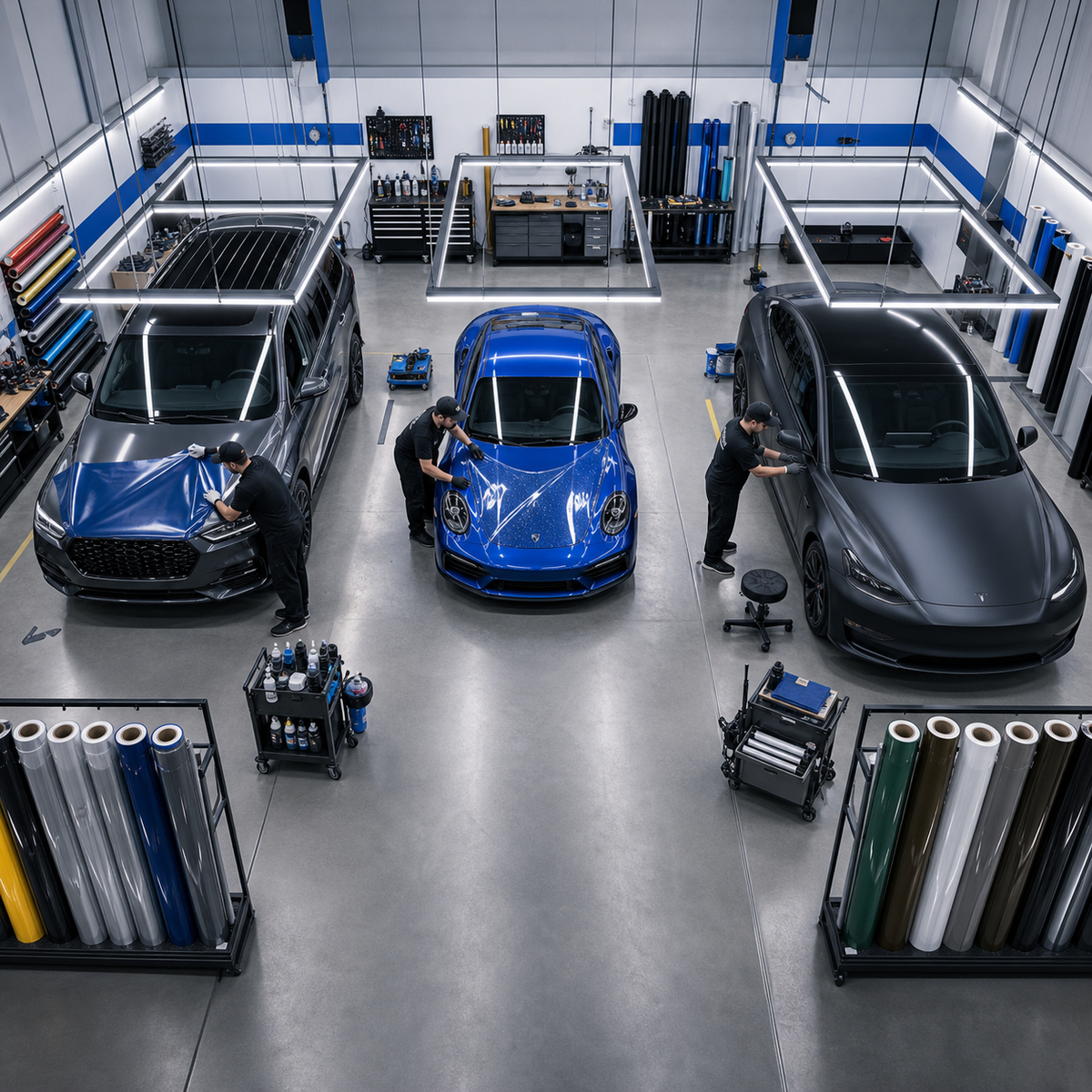
Your installers will tell you more in one afternoon than any spec sheet. Tack, slide and how the film behaves when you lift it off a bumper corner decide whether a job needs a redo. Order samples from each brand you are weighing, run them on the same panel with the same slip solution, and let your lead installer judge. Our free A4 PPF samples ship from US sample stock. You pay the shipping.
Profit margins and material cost
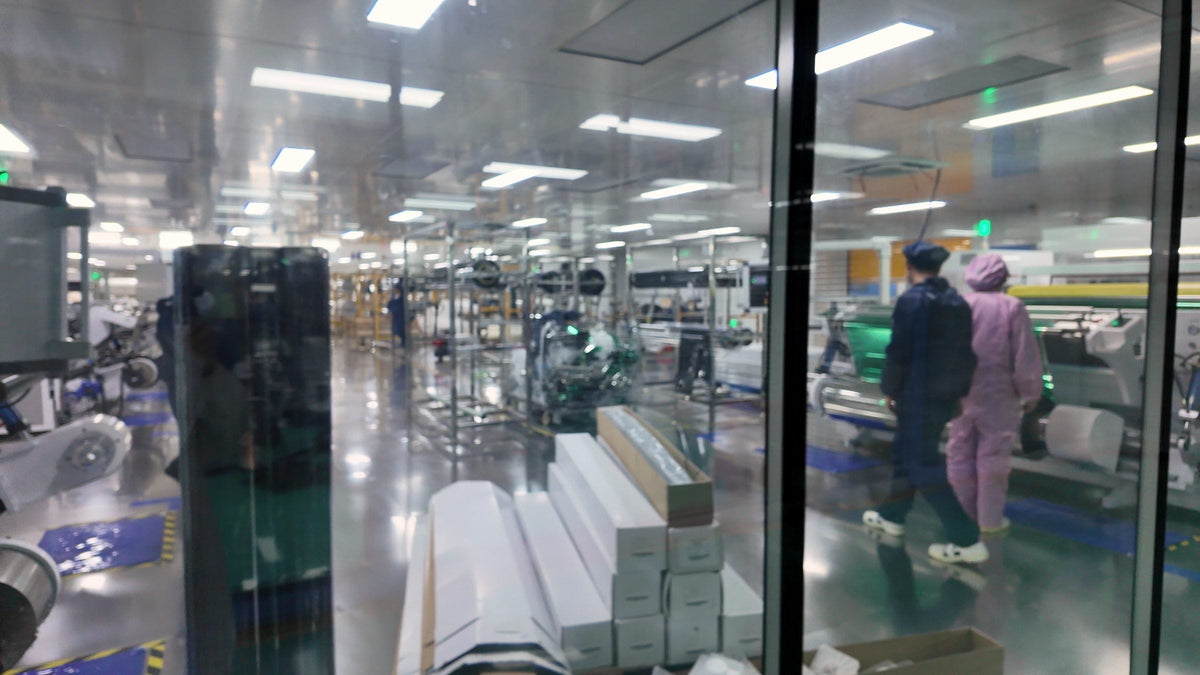
HIGHCOOL sells factory direct from our own 20,000 m² plant in Shanghai, with no distributor layer between the line and your shop. That usually means a lower roll price than a brand that funds national marketing and a regional distribution network. We will not print a savings percentage here, because your price depends on your country, the grades you stock and how many rolls you move. Send us those three things and we will quote you within 12 business hours.
Dealer freedom vs. dealer restrictions
Before you sign with any brand, get its terms in writing. Ask about minimum monthly purchases, required cutting software or pattern subscriptions, advertised-price rules, and territory limits. Those terms differ by brand and by region, and they change, so compare the documents rather than what you hear at a trade show. With HIGHCOOL, you buy rolls and set your own install prices. If you want your own brand on the box, OEM and private label start at 30 rolls per model.
Warranty terms
A long warranty only helps if a claim is easy to file. HIGHCOOL PPF carries a 5 to 10 year warranty depending on the grade, and every roll has its own code, so a claim traces back to the batch it came from. Ask any brand the same questions: who handles the claim, whether labor is covered, and what proof of install they need.
Is it time to switch?
If customers ask for a brand by name and pay for it, keep that brand on the shelf. If most of your work is quoted on results and price, a factory-direct film can protect your margin, but only after it passes your own install test. Start with samples and a written quote from our contact page, and see the grades on our Paint Protection Film (PPF) page.
FAQ
Is HIGHCOOL PPF the same quality as XPEL or 3M?
We will not rank ourselves against other brands, and you should not take any supplier's word for it. HIGHCOOL PPF uses TPU from Lubrizol, BASF, Covestro or Wanhua with a self-healing topcoat. Install samples side by side on the same panel and judge for yourself.
What warranty do XPEL, 3M and SunTek offer on their top PPF lines?
Their flagship lines publish ten-year coverage. 3M lists ten years from purchase on Scotchgard Pro Series, and SunTek a 10-year limited warranty on Ultra. Check each brand's current warranty page, since terms differ by region.
How do I compare PPF prices between a big brand and a factory?
Compare the landed cost per usable foot, not the list price per roll. Add shipping, duties and the waste your installers see on each film. Ask us for a written quote with your country and roll count and put it next to your current invoice.

Share:
Installing PPF on Complex Curves: A Step-by-Step Guide for Installers
HIGHCOOL TPU in Harsh US Climates: What Shops Should Check