
Material consistency cuts PPF rework because your installers stop fighting the film. When every roll has the same tack, the same stretch and the same topcoat, the habits a tech builds on Monday still work on Friday, and fewer pieces end up in the bin.
A redo costs a shop three times. You lose the film you pulled off. You lose the hours your best installer spends doing the panel again. And you lose the job that bay would have held instead. Put your own shop rate and film cost into that math once and the "cheap" roll rarely looks cheap again.
The anatomy of a rework
Take a front bumper on a Tesla Model Y. The piece lifts at a deep recess two days after delivery. The customer comes back, the tech strips the panel, preps it again and lays a new piece. That is a second piece of film, a second round of labor and a bay that could have held a paying car. None of it shows up on the invoice, which is why so many owners underestimate it.
Material inconsistency: the cause that gets blamed on the installer
Most reworks get written up as installer error. Some are. But a lot of them start with a roll that behaves differently from the last one.
Tack is the first variable. If one roll grabs harder than the previous batch, the slip solution your tech has mixed for months is suddenly wrong. Positioning gets harder, the film gets pulled and lifted more, and adhesive marks show up where they never did before.
Stretch is the second. If the TPU or the topcoat changes from batch to batch, the film no longer relaxes the way the installer expects. It looks fine at handover, then the edge on a tight curve pulls back a day or two later.
Adhesive silvering on complex bumpers
Silvering, the fine haze of micro-bubbles you see when adhesive dries out during positioning, is a common reason to redo a deep bumper on cars like a Rivian R1T or a Corvette C8. The adhesive has to stay workable long enough to place the piece and then grab. If it runs soft in summer and stiff in winter, your techs are guessing every season. Test any new film in both your hottest and coldest weeks before you switch your whole menu to it.
Technician fatigue
Redoing a job you thought was finished is demoralizing. The second attempt is often more rushed than the first, and a rushed install is how one rework turns into two. Predictable film does the opposite. After a few dozen cars, an installer knows how far it will stretch before it distorts and how long it stays workable. That confidence is what speeds up good installs.
The warranty comeback
Not every rework happens in the shop. Some come back months later as a yellowed edge or a corner that has started to let go. The customer calls you, not the factory, and expects the panel redone at no charge. Film that ages evenly across the whole car is your best protection here, because patchy yellowing on one panel is impossible to explain away.
How to audit your shop's rework rate
- Keep a scrap log. Every time a piece of film goes in the bin, write down the car, the panel, the roll and the reason.
- Price the labor. Multiply the hours spent on redos by your shop rate, and add the film.
- Compare by roll and supplier. If one supplier's rolls keep showing up in the log and another's do not, the price per roll is the wrong number to compare.
- Review the log with your installers once a month. They will often tell you which roll felt wrong before the numbers do.
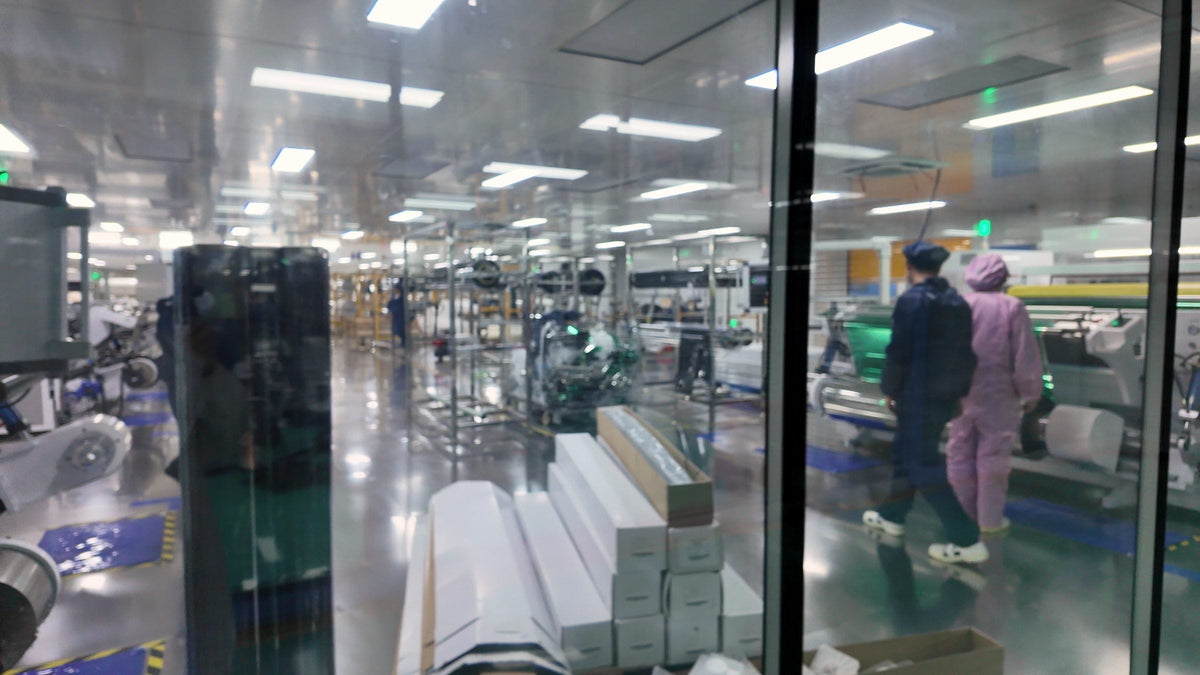
Roll-level tracking makes step three much easier. Every HIGHCOOL roll carries its own serial code, the "one roll, one code" system, so a problem on a car can be traced back to the batch it came from. Our PPF is made in our own factory in Shanghai under ISO 9001, in four series named for the TPU: W (Wanhua), V (Covestro), E (BASF) and L (Lubrizol). The V, E and L series use Ashland adhesive and the W series uses a domestic Chinese adhesive. Most come in 7.5 mil and 8.5 mil, all have a self-healing topcoat, and warranties run 5 to 10 years by series. Stay on one series and one thickness and your techs learn one film instead of several. The US warehouse holds 13 PPF SKUs and we accept one-roll orders, so you can test a single roll against your current film before you change anything.
If your scrap log points at the film, run a side-by-side test on your own cars: browse our Paint Protection Film (PPF) range, then send us your country and monthly volume and we will quote you and send free A4 samples from US stock (you pay shipping).
FAQ
Is "installer error" just a cover for bad film?
Not always, but the two are linked. Consistent film forgives small mistakes because it repositions predictably and settles the same way every time. Inconsistent film punishes even your best tech.
How do wider PPF rolls help reduce rework?
A 72-inch roll lets you cover a large hood in one piece without stretching the film to its limit. Less tension in the film means less stress on the adhesive at the edges, and fewer edges that lift later. HIGHCOOL offers 72-inch rolls alongside the standard 60 in x 49 ft (1.52 m x 15 m).
What is the fastest way to find out if film is causing my reworks?
Log every scrapped piece with the roll it came from for a month or two. If the failures cluster on certain rolls or one supplier, the film is part of the problem, and you can test a replacement on a few cars before switching.

Share:
The Rivian & Ford F-150 Lightning: Tackling Large Panels with 72-inch Master Rolls
Military Grade PPF: What the Label Actually Means