
Automotive detailing is one of the most talked-about yet misunderstood aspects of car care. For some drivers, detailing feels like an unnecessary luxury. For others, it’s confused with a simple car wash or a quick wax. These misconceptions often lead vehicle owners to skip proper care—or worse, rely on methods that do little to protect their car long term.
In reality, professional detailing is about preservation, protection, and prevention, not just shine. This article breaks down the most common automotive detailing myths, explains what actually happens to your vehicle over time, and shows how modern detailing methods protect both appearance and value.
Why Automotive Detailing Is So Widely Misunderstood
Part of the confusion comes from how broadly the term “detailing” is used. Everything from a $20 tunnel wash to a multi-day paint correction and protection package is sometimes labeled as detailing. When expectations don’t match reality, myths form—and those myths often prevent car owners from making informed decisions.
Understanding what detailing truly involves is the first step toward smarter vehicle care.
Myth #1: Automotive Detailing Is Just an Expensive Car Wash
The Reality: A Car Wash and Professional Detailing Are Not Comparable
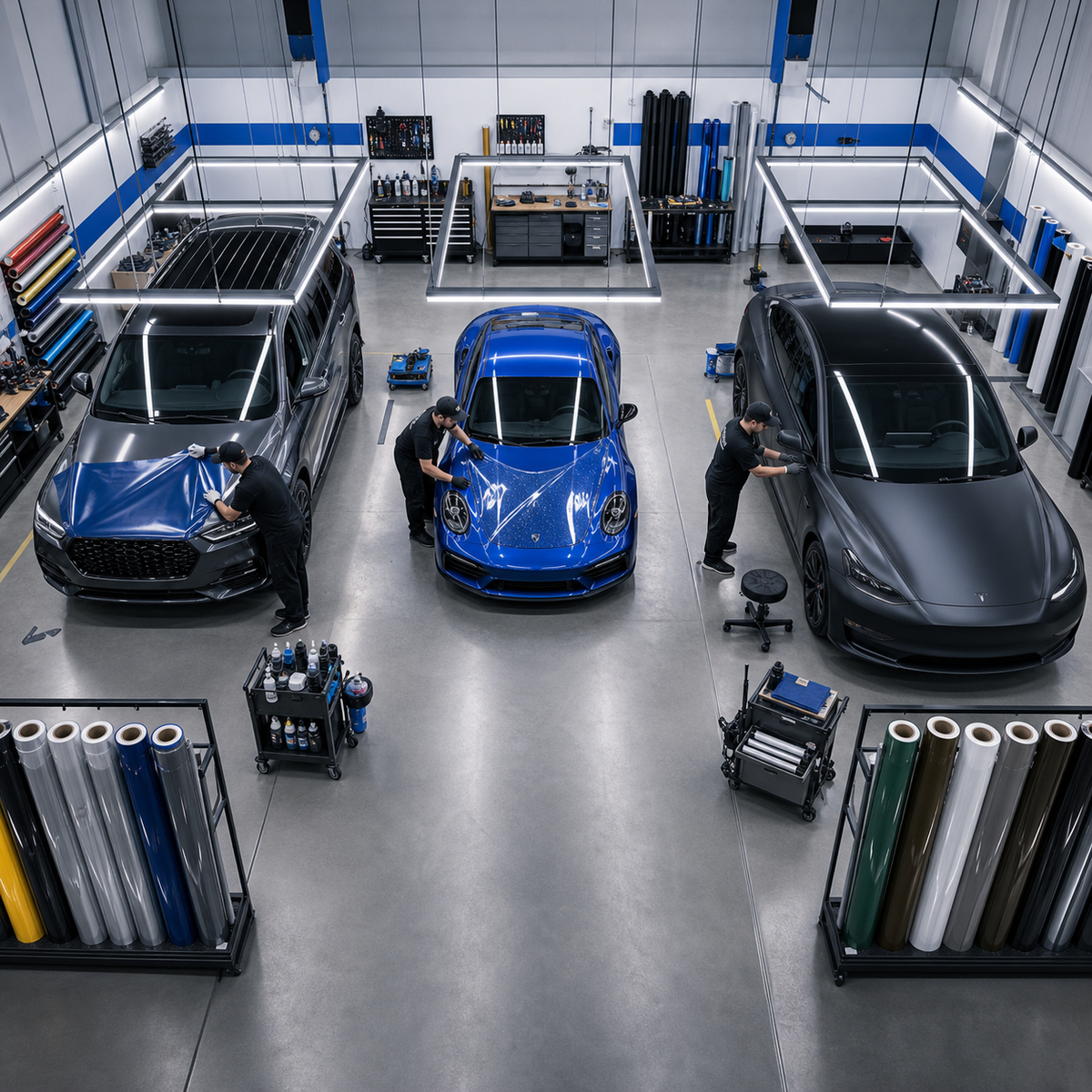
A basic car wash focuses on removing loose surface dirt. It does little to address embedded contaminants, paint defects, or long-term protection. Professional detailing, by contrast, is a structured process designed to clean, restore, and protect every surface of the vehicle.
True detailing can include:
-
Decontamination to remove bonded pollutants like brake dust, iron fallout, and tree sap
-
Paint correction to eliminate swirl marks, oxidation, and light scratches
-
Interior deep cleaning of carpets, leather, plastics, and vents
-
Application of long-term protection such as ceramic coatings or paint protection film (PPF)
The difference isn’t cosmetic—it’s functional.
Myth #2: Waxing Once a Year Provides Enough Protection
The Reality: Traditional Wax Is Short-Term and Fragile
Wax has been used for decades, but modern driving conditions expose vehicles to far more aggressive elements: UV radiation, acidic rain, road salt, industrial fallout, and extreme temperatures. Most waxes degrade within weeks, not months, under real-world conditions.
While wax can enhance gloss temporarily, it offers limited chemical resistance and virtually no protection against physical damage.
What Works Better Today
Modern protection methods include:
-
Ceramic coatings, which chemically bond to paint and provide multi-year resistance to UV, chemicals, and staining
-
PPF (Paint Protection Film), which adds a physical barrier against rock chips and scratches
For vehicles exposed to harsh climates or daily commuting, relying on wax alone often leads to faster paint degradation.
Myth #3: New Cars Don’t Need Detailing or Protection
The Reality: “New” Doesn’t Mean “Perfect”
Many car owners assume a brand-new vehicle arrives with flawless paint. In practice, new cars often carry:
-
Transport-related contamination (rail dust, industrial fallout)
-
Micro-scratches from dealership washing
-
Inconsistent factory paint finishes
These issues may not be obvious under showroom lighting, but they become visible over time—especially in sunlight.
Why Early Detailing Matters
Detailing a new car early allows:
-
Correction of minor defects before they worsen
-
Application of protective layers before damage occurs
-
Easier maintenance and cleaning over the vehicle’s lifespan
Protecting paint early is significantly more effective than trying to restore it later.
Myth #4: DIY Products or Any Shop Can Deliver the Same Results
The Reality: Skill, Process, and Materials Matter
DIY kits and quick-service shops can improve appearance temporarily, but professional detailing requires:
-
Controlled environments
-
Specialized equipment
-
Deep understanding of paint systems and materials
Improper polishing techniques can permanently thin clear coat, while harsh chemicals can damage interior materials.
What Sets Professional Detailing Apart
Professionals use:
-
Paint thickness measurement tools
-
Multi-stage polishing systems
-
pH-balanced and material-specific products
-
Controlled curing conditions for coatings and films
These factors are critical for achieving consistent, repeatable results without risk.
Myth #5: Automotive Detailing Is Only About Appearance
The Reality: Detailing Is Preventive Maintenance
While detailing dramatically improves how a car looks, its greatest value lies in protection and preservation.
Proper detailing helps:
-
Prevent paint oxidation and fading
-
Protect leather and plastics from UV damage
-
Reduce long-term repair and restoration costs
-
Maintain higher resale or trade-in value
In many cases, detailing delays or eliminates the need for repainting, interior replacement, or intensive restoration.
What Happens to a Vehicle Without Proper Detailing?
Without consistent protection, vehicles are exposed to:
-
UV-induced clear coat failure
-
Chemical etching from bird droppings and tree sap
-
Embedded contaminants that degrade paint clarity
-
Interior cracking, fading, and odor buildup
These issues develop gradually, which is why many owners underestimate their impact until damage becomes expensive to reverse.
Modern Detailing: Beyond Cleaning to Surface Engineering
Automotive detailing has evolved into a materials-based discipline. Modern protection solutions focus on how surfaces interact with heat, UV light, chemicals, and physical abrasion.
Ceramic coatings, for example, form a chemically resistant layer that slows contamination damage. PPF adds a sacrificial barrier that absorbs impact energy before it reaches paint.
The effectiveness of these solutions depends not just on application, but on material quality and manufacturing consistency.
Why Product Quality and Manufacturing Matter
From a technical standpoint, not all coatings and films behave the same over time. Variations in raw materials, formulation, and production control can lead to:
-
Inconsistent protection
-
Premature failure
-
Color shift or reduced durability
Manufacturers that approach detailing products from a factory-level materials engineering perspective focus on consistency, testing, and repeatability. Companies such as HIGHCOOL, which operate dedicated automotive film and coating manufacturing facilities, emphasize controlled production processes and quality validation. This approach supports professional installers by delivering materials that perform predictably in real-world conditions—reducing rework, warranty issues, and customer dissatisfaction.
This isn’t about branding—it’s about long-term performance reliability.
How to Choose the Right Detailing Approach for Your Vehicle
The best detailing strategy depends on:
-
How long you plan to keep the vehicle
-
Driving environment and climate
-
Exposure to highways, debris, or urban pollution
-
Maintenance habits
For daily drivers, ceramic coatings offer excellent chemical and UV resistance. For high-impact environments, combining coatings with PPF provides comprehensive protection. The key is choosing solutions that match usage, not trends.
The Cost Myth: Detailing vs. Repair
Detailing is often seen as expensive—until compared to the cost of repair.
Paint correction, repainting panels, replacing faded interior trim, or fixing neglected leather costs significantly more than preventive care. Detailing spreads protection cost over years, often saving money in the long run.
Final Thoughts: Smart Car Care Starts with the Right Information
Automotive detailing is not about vanity—it’s about informed maintenance. By understanding what detailing truly does, and separating myths from facts, car owners can protect their vehicles more effectively and avoid costly mistakes.
The best results come from combining professional techniques, high-quality materials, and realistic expectations. When detailing is treated as preventive maintenance rather than cosmetic indulgence, the benefits extend far beyond appearance.
FAQ: Automotive Detailing
Is automotive detailing worth the cost?
Yes. Professional detailing helps prevent long-term damage, reduces repair costs, and preserves resale value, often saving money over time.
How often should a car be professionally detailed?
Most vehicles benefit from professional detailing once or twice a year, depending on driving conditions and protection type.
Does detailing remove scratches permanently?
Detailing can remove or reduce many surface-level scratches through paint correction, but deep scratches may require additional repair.
Are ceramic coatings better than wax?
Ceramic coatings last significantly longer and provide better chemical and UV resistance than traditional wax.
Can detailing protect a car long term?
Yes. When combined with quality materials and proper maintenance, detailing significantly extends the life of paint and interior surfaces.

Share:
Does Window Tint Increase Resale Value? What Tint Shops Can Tell Customers
Can Car Washes Make a Windshield Crack Worse? What Glass and Film Shops Should Know