
Stock TPU as your main PPF line. Keep a TPH option only if your market keeps asking for a cheaper install, and leave PVC off the shelf for exterior paint work. All three get sold as "paint protection film," and they look much alike on the day of install. Two summers later they do not.
PVC: cheap, stiff and short-lived
PVC stays flexible only because of plasticizers, and UV draws those out over time. The film hardens, yellows, then cracks. It does not self-heal. We do not build PPF on PVC. The material has its uses (our Vinyl Wrap is calendered PVC, made for color change rather than impact protection), but keeping stone chips off a hood for years is not one of them.
TPH: the middle option
TPH is a hybrid, softer than PVC and cheaper than TPU. Problems show up later. Most TPH carries a weaker topcoat with little or no real self-healing, so swirls stay put and clarity drops faster in strong sun. Sold honestly as a budget line, it can work. On a premium install it lets the customer down, and the customer calls you, not the factory.
TPU: what we build our PPF on
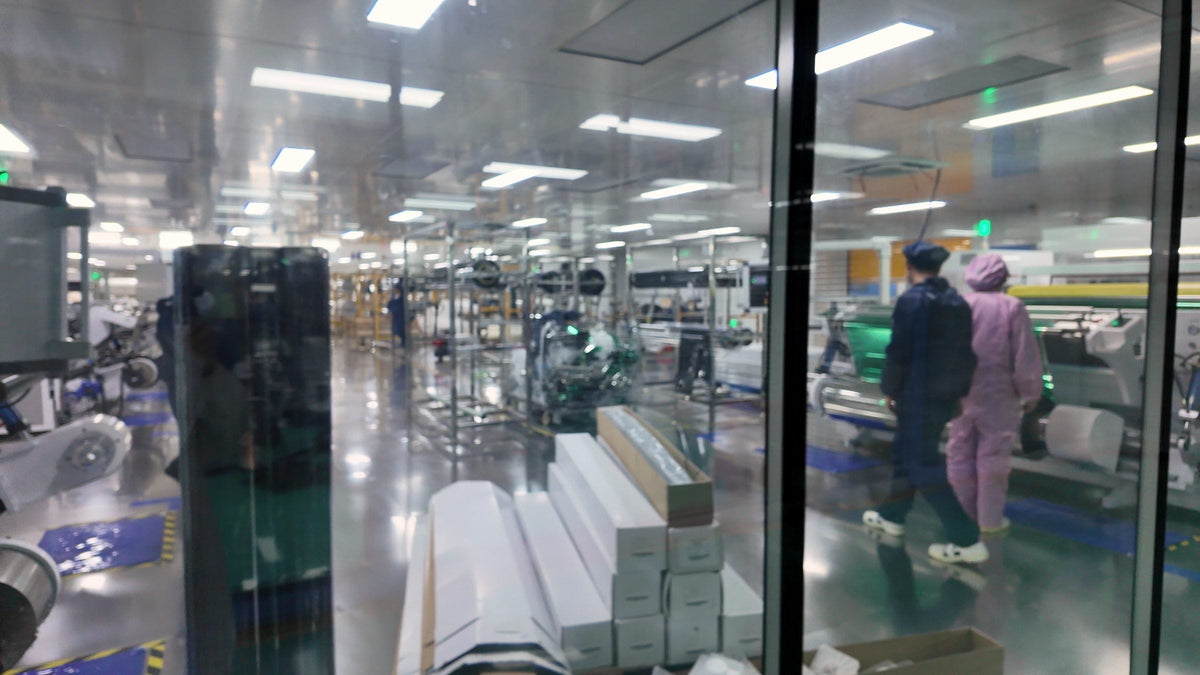
TPU is an elastomer. It flexes, takes a rock strike and springs back. With a proper topcoat it also self-heals, so light scratches close up in the sun or under a warm rinse. We build our PPF on TPU from Lubrizol, BASF, Covestro or Wanhua, depending on the grade. The Lubrizol, BASF and Covestro grades use Ashland adhesive. The Wanhua grade uses a domestic adhesive. Warranty runs 5 to 10 years by grade, and each roll carries its own code so a warranty claim can be traced to that exact roll.
TPU costs more per roll. It also saves you the redo, the refund and the one-star review. Labor is most of what the customer pays for, so a hood you have to strip and refit on your own time costs far more than the price gap between two rolls of film.
A simple stocking plan
Put TPU on the shelf for the main line. Add TPH only if price-sensitive customers keep walking out. Skip PVC for anything that faces the weather. If you want to compare the materials in your hand first, our wholesale and samples page has free A4 PPF samples sent from US stock, and you cover the shipping. Our PPF is held in that US warehouse too, so a booked car does not sit waiting on a container from Shanghai.
When you are ready to price a TPU line, the grades, thicknesses and roll sizes are listed in our Paint Protection Film (PPF) collection.
FAQ
What is the difference between TPU and TPH PPF?
TPU is a true elastomer that stretches, absorbs impacts and, with a good topcoat, heals light scratches with heat. TPH is a cheaper hybrid that is softer than PVC but usually has weaker self-healing and loses clarity faster in the sun. For installs you want to stand behind for years, TPU is the safer film.
Is PVC PPF any good?
Not for long-term paint protection. PVC depends on plasticizers that UV breaks down, so the film hardens, yellows and cracks, and it does not self-heal. PVC works for color-change wrap film, but exterior paint protection should be TPU.
Which PPF material should a shop stock?
Stock TPU as the main line for premium and daily-driver installs. Add TPH only if your local market demands a budget price point, and keep PVC out of exterior protection work. Cheap film saves money on the roll and usually costs more in redo labor.

Share:
How Long Does PPF Last? What Installers Should Tell Customers
How Long Does PPF Last? What Installers Should Tell Customers