
Vinyl Wrap Distributor:
6 Steps to Build a Profitable Territory — From Zero to Operating
The most common reason a vinyl wrap distributor territory fails in its first 18 months is not market size, not product quality, and not sales ability. It is margin structure. A distributor who signed up under a brand license program — paying for the right to sell a premium brand name with an 8–15% margin on resale — is operating a business model that requires volume most new territories cannot achieve to generate meaningful income. The same distributor with a factory-direct supply agreement at 25–40% gross margin can reach profitability at roughly half the monthly volume.
The vinyl wrap distributor market is growing: commercial fleet branding, color change wrap for personal vehicles, and large-format graphic applications are all expanding. But growth in demand does not automatically translate into viable distribution territory. Most buyers searching "vinyl wrap distributor" are at the decision point where getting the business model right determines whether the territory works or becomes a write-off.
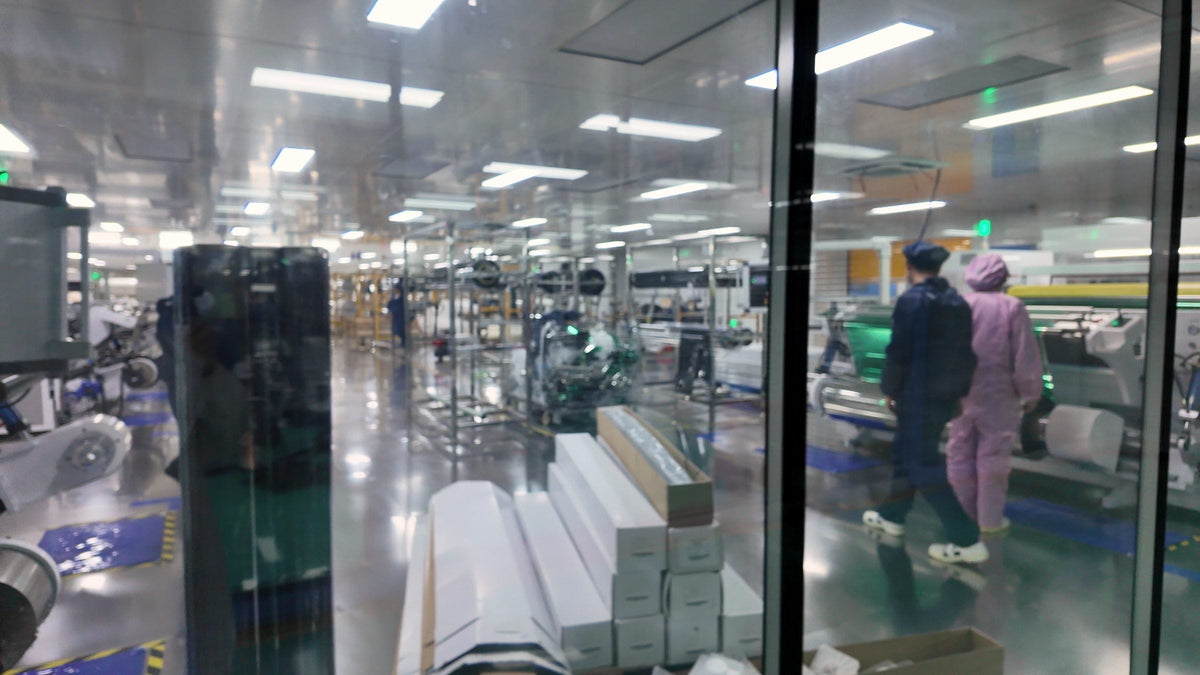
HIGHCOOL operates as a factory-direct manufacturer with an authorized vinyl wrap distributor program across multiple markets. This guide covers the six steps to building a profitable vinyl wrap distribution territory — with real margin data, breakeven calculations, and specific requirements to apply for HIGHCOOL's distributor program.
- 5 Vinyl Wrap Distributor Types: Choose Your Model First
- Step 1 — Territory Analysis: Is Your Market Ready?
- Step 2 — Supplier Selection: Factory-Direct vs Brand License
- Step 3 — Profit Model: Real Numbers at Monthly Scale
- Step 4 — Pipeline Building: 10 Accounts Before First Order
- Step 5 — Technical Capability: Why Knowledge Drives Retention
- Step 6 — Distributor Terms: What to Negotiate Before Signing
- HIGHCOOL Distributor Program: Requirements and Application
- FAQ: Questions from Prospective Distributors
5 Vinyl Wrap Distributor Types: Choose Your Model Before Your Supplier
The first decision is not which product to stock — it is which distribution model fits your market and capabilities. Five distinct models operate in the vinyl wrap market, each with different margin structures and volume requirements.
Observation: Two distributors in adjacent territories, same product, same supplier terms. One reaches breakeven in month 8; the other is still burning capital at month 18. The difference: one market had 47 professional wrap installers within a 90-minute logistics radius. The other had 12.
Mechanism: A viable territory requires approximately 30–50 professional wrap installers within a 90-minute delivery radius, each averaging 8–15 rolls per month. Below this density, revenue per logistics run does not cover inventory and delivery costs. Territory analysis must answer: How many active professional installers are in the radius? Are they currently well-served by an existing distributor? What adjacent segments (fleet, PPF, window film) could expand the account base?
Pro tip: Before investing in formal market research, spend 2 hours calling 15 installers in your target area asking where they buy film, satisfaction with lead times, and their biggest supply frustration. Their answers reveal territory viability better than any market report.Brand recognition and distributor profitability are not the same thing. A well-known brand license that leaves 8–15% gross margin on resale cannot produce a profitable territory at volumes accessible to a new market entrant. Factory-direct supply at 25–40% margin reaches breakeven at half the volume.
| Factor | Factory-Direct (HIGHCOOL) | Brand License (Premium Brand) |
|---|---|---|
| Distributor gross margin | 25–40% on resale to installers | 8–18% (brand margin already extracted) |
| Territory exclusivity | Available by negotiation | Limited — premium brands distribute broadly |
| OEM / custom specification | Available — factory enables custom specs | Catalog products only |
| Technical documentation | Full TDS, batch color cert, REACH, climate specs | Standard product docs |
| Breakeven monthly volume | 120–150 rolls/month | 280–400 rolls/month |
| Price flexibility | Full control of resale pricing | Must maintain brand RRP structure |
Distributors evaluating which manufacturer to partner with should review the vinyl wrap wholesale supply chain guide — it covers the 4-tier supply structure and 8 supplier quality factors beyond price, including batch color consistency, TDS depth, and B2B infrastructure.
The same 150-roll monthly volume produces a profitable territory on factory-direct supply and an operating loss on brand-license. Brand-license breakeven at the same operating costs requires approximately 280–320 rolls per month — typically 18–36 months to build in a new territory. Factory-direct breakeven at 40% gross margin is achievable within 8–12 months.
Fixed operating costs: $8,500–$12,000/month. Factory-direct at 40% gross margin: breakeven at 66–94 rolls/month. Brand-license at 15% gross margin: breakeven at 177–250 rolls/month. At 150 rolls/month: factory-direct generates $7,200–$10,700 net operating profit; brand-license generates an operating loss of $800–$4,800.
The most common capital-destruction sequence: distributor places a large inventory order, begins marketing, discovers account conversion takes 4–6 months per installer, and burns through capital before reaching volume. Reverse the sequence — build the pipeline before committing capital.
Target 10–15 installer accounts and have explicit conversations before placing your first order. The goal: "If I can deliver next-day at X price with Y specs, would you trial 10 rolls?" A positive response from 8 of 15 conversations = a pipeline. Eight accounts averaging 15 rolls per month = 120 rolls — your breakeven target from day one.
Accounts that convert fastest: installers buying from a slow or unreliable source; installers who had a recent quality issue; installers growing their volume and outpacing their current supply arrangement. Most resistant: installers with existing personal relationships with current supplier reps — these convert over 6–18 months.
Pro tip: Offer the first 10-roll trial at cost-plus with no margin to establish the product experience. Sample cost $200–$400 per account is acquisition cost that converts recurring accounts worth $1,500–$3,000/month. The LTV mathematics are compelling at any scale.A professional installer who can buy the same film online at a slightly lower price will switch — unless the local distributor provides something the online platform cannot: immediate stock, fast logistics, credit terms, technical advice, and rapid problem resolution. Technical capability is the primary retention mechanism against online supply competition.
Distributor representatives need to know: film specification comparison (cast vs calendered for specific applications); installation protocol (post-heat parameters, surface prep, edge sealing); failure diagnosis (distinguishing product issues from installation errors); and application recommendation (fleet color-match programs versus daily-driver color change). HIGHCOOL's distributor program includes product training materials and direct access to our technical team for complex queries — giving distributors a competitive capability that individual installers buying online cannot access.
| Term | What Good Looks Like | Red Flags |
|---|---|---|
| Territory exclusivity | Named geographic territory with exclusivity at minimum volume | No territory definition — competing distributors possible |
| Pricing stability | Price increases capped at 90-day minimum notice, grandfathered active orders | Price changes at manufacturer's discretion, short notice |
| Volume commitments | Graduated minimum (lower months 1–6), consequence = loss of exclusivity, not financial penalty | Fixed minimum from month 1 with financial penalties |
| Sample policy | Defined free sample allowance per month — documented in agreement | No sample policy — samples charged at full price |
| Technical support | Named contact, documented response time, training materials included | Technical support "available on request" with no SLA |
HIGHCOOL Distributor Program: Requirements and Application
HIGHCOOL's authorized vinyl wrap distributor program is structured for operators who have completed territory analysis, pipeline building, and capability assessment — and are ready to build a long-term supply relationship.
7 Requirements for HIGHCOOL Distributor Program Admission
-
1Registered business entity in the target market with minimum 12 months operating history New entity applications considered with additional qualification steps.
-
2Demonstrated market presence — active customer base or documented pipeline of 8+ professional installer accounts Territory viability is the primary risk factor. Documented pipeline demonstrates pre-existing relationships supporting year-1 volume targets.
-
3Annual volume commitment — minimum 500 rolls per year in year 1, graduated to negotiated year-2 and year-3 targets Graduated ramp — not a flat year-1 minimum from month 1.
-
4Technical capability — at least one person with demonstrated vinyl wrap installation or specification knowledge Technical knowledge is the primary account retention mechanism and competitive differentiator from online supply.
-
5Storage and logistics capability — climate-stable, dark storage for vinyl film; delivery capability to accounts within agreed lead time Incorrect film storage (heat, light, humidity) produces quality failures and warranty claims.
-
6Financial standing — ability to meet payment terms without relying entirely on resale proceeds of each shipment Thin working capital means inventory gaps, which are the primary cause of account loss after technical capability failures.
-
7Territory boundary definition — proposed territory based on installer density, logistics radius, and absence of existing HIGHCOOL distributor coverage Markets with an active HIGHCOOL distributor are not available for new appointment in the same territory.
🏭 Apply for HIGHCOOL's Vinyl Wrap Distributor Program
Factory-direct pricing, territory exclusivity, full technical documentation, product training, and a dedicated account manager — the complete infrastructure for a profitable vinyl wrap distribution territory.
- Factory-direct pricing: 25–40% gross margin on resale to professional installers
- Territory exclusivity available in most markets — negotiate before signing
- 300+ color range: cast vinyl, PPF, window film, chrome, matte, specialty
- Full TDS, batch color certification (delta-E ≤1.5), REACH compliance
- Product training + direct technical team access
- Dedicated account manager from program entry
- Graduated volume minimum — lower commitment in months 1–6
- Vinyl Wrap color chart at $30, shipping not included
Related HIGHCOOL Guides for Distribution Partners
- Distributor applicants who need HIGHCOOL's product specification detail before applying should review the cast vs calendered vinyl wrap technical comparison — the specification data distributors must communicate accurately to installer accounts.
- For distributors evaluating the supply chain before committing to a distributor model, the vinyl wrap wholesale supply chain guide covers the 4-tier pricing structure and 8-factor supplier evaluation framework.
- Distributors serving hot climate markets (Middle East, Southeast Asia, Australia) need the climate-specific specifications in the hot climate vinyl wrap specification guide — particularly the adhesive heat ratings and UV calibration data that determine product validity in extreme UV environments.
- Distributors supporting fleet program customers will find the batch color consistency standards in the color change wrap vs paint job cost comparison useful for building the financial case fleet operators need when committing to a wrap program.
FAQ: Questions from Prospective Vinyl Wrap Distributors
Conclusion: A Profitable Vinyl Wrap Distributor Territory Is Built Before the First Order
The six steps in this guide are in sequence for a reason. Most vinyl wrap distribution territories that fail do so because capital commitment preceded pipeline building — the distributor placed the inventory order before confirming that accounts would buy, and burned through capital waiting for conversion that took longer than projected.
Territory analysis, pipeline building, and supplier selection done before the first order determines whether the territory is viable. Factory-direct margin structure — 25–40% versus brand-license 8–18% — determines whether the business model generates profit at achievable volume. Technical capability determines whether accounts stay or switch back to their previous supplier after the initial trial.
At HIGHCOOL, our authorized vinyl wrap distributor program provides factory-direct pricing, full technical documentation and training, and territory exclusivity that makes account development investment defensible. If you have completed the territory analysis and pipeline steps and believe your market is ready, the next step is an application conversation.
External Resources
Distributors sourcing bulk rolls should also see our vinyl wrap bulk pricing tiers.

Share:
Vinyl Wrap Law in California: What Wrap Shops Should Know
Color Change Wrap vs Paint Job: Cost Comparison for Wrap Shops