
Vinyl Wrap vs Ceramic Coating:
7 Measurable Differences and Which One Is Actually Right for You
The vinyl wrap vs ceramic coating question is almost always framed as a competition. It isn't. These two products solve different problems, use different chemistry, and serve different primary purposes — asking which one is "better" is like asking whether a roof or a door is better at protecting a house. The answer depends entirely on what you need protected and how.
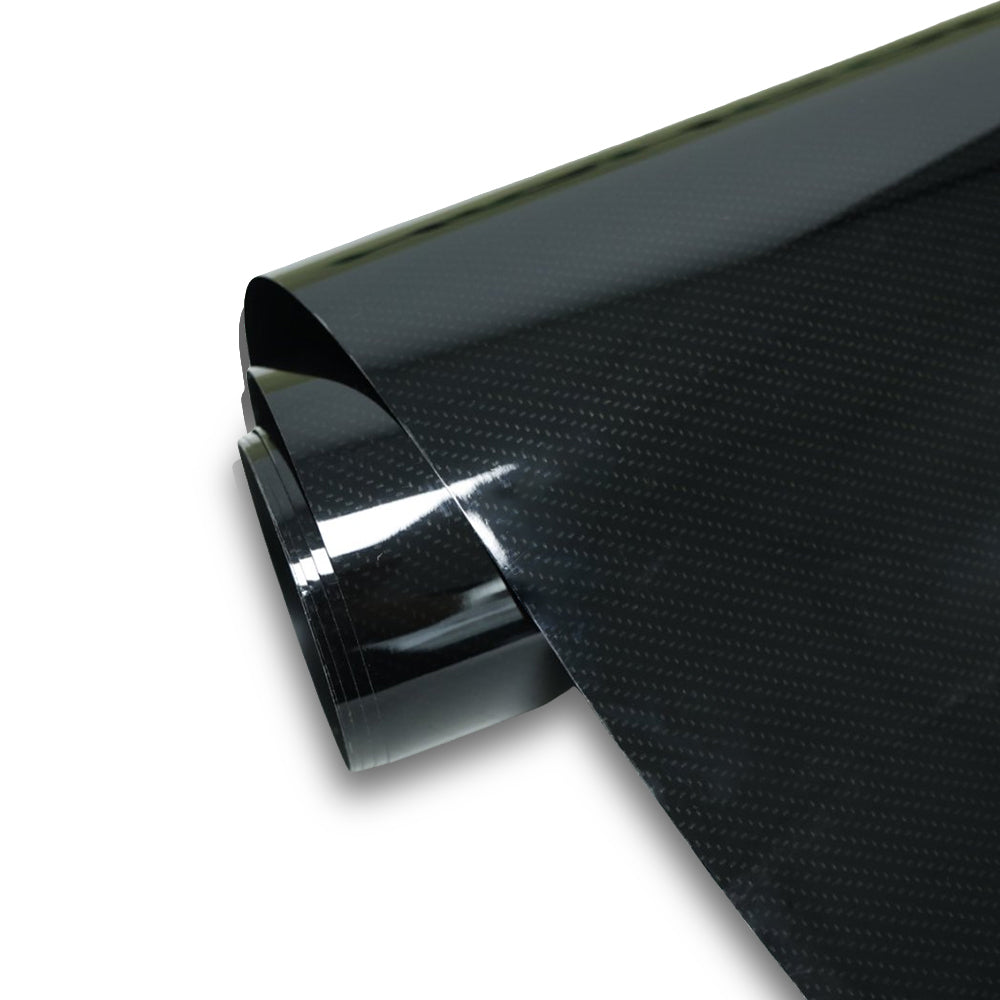
Vinyl wrap is an 80–100 micron physical PVC film that sits on top of the paint, changes the vehicle's colour, and can be removed cleanly within its rated service life. It is a colour change product that happens to provide paint protection as a secondary benefit. Ceramic coating is a 1–10 micron SiO₂ or TiO₂ chemical bond applied to the paint surface, enhancing gloss, adding hydrophobic properties, and providing chemical resistance — but it cannot change the vehicle's colour and provides minimal physical protection against stone chips or scratches.
Understanding the vinyl wrap vs ceramic coating decision correctly means understanding which problem you are actually trying to solve — and then applying the product designed to solve that problem, not the one that was advertised most aggressively in your search results. This guide provides 7 measurable dimensions of comparison, a decision framework for 4 distinct owner profiles, and an honest analysis of the combination strategy that increasingly represents the professional standard for discerning vehicle owners.
- 7 Measurable Dimensions: Vinyl Wrap vs Ceramic Coating Head-to-Head
- Cost Comparison: What You Actually Pay and Over What Time Period
- Decision Framework: Which Product Is Right for Your Profile?
- The Combination Strategy: Ceramic Coating Over Vinyl Wrap
- 5 Mistakes People Make When Choosing Between the Two
- FAQ: Vinyl Wrap vs Ceramic Coating Questions
7 Measurable Dimensions: Vinyl Wrap vs Ceramic Coating Head-to-Head
The vinyl wrap vs ceramic coating matrix below uses quantified specifications rather than qualitative claims. Every number is sourced from product TDS data, published test standards, or documented field performance — not from marketing materials.
🔵 Vinyl wrap advantage · 🟢 Ceramic coating advantage · Score: Vinyl 4 — Ceramic 3 across these 7 dimensions, though the relevant score for any individual owner depends entirely on which dimensions matter to their use case.
Cost Comparison: What You Actually Pay and Over What Time Period
Cost is the most frequently distorted variable in the vinyl wrap vs ceramic coating decision. The correct comparison is not initial application cost — it is 5-year total cost of ownership, including maintenance, re-application, and the cost of any paint correction required as a prerequisite.
| Cost Element | Vinyl Wrap (Full Vehicle) | Ceramic Coating (Full Vehicle) | Vinyl + Ceramic Combo |
|---|---|---|---|
| Initial application cost | $2,500–$5,500 Sedan; SUV/truck $3,500–$7,000 | $800–$2,500 Consumer grade $150–$400 DIY | $3,300–$7,500 Both applied together at install |
| Paint correction prerequisite | Light prep only ($150–$300) | Full paint correction required ($300–$1,200)Ceramic bonds every surface defect permanently | Light prep only — wrap covers paint ($150–$300) |
| Maintenance cost (annual) | $80–$150 Vinyl-safe wash products + occasional sealant | $50–$120 Ceramic-specific wash + annual SiO₂ booster | $80–$150 Ceramic over vinyl reduces maintenance frequency |
| Re-application / replacement | $2,500–$5,500 at 5–7 years Or factory paint revealed for sale | $400–$1,200 at 2–5 years Full decontamination + re-coat required | $2,500–$5,500 at 5–7 years + ceramic re-coat |
| 5-year total cost of ownership | $3,050–$6,750 | $2,650–$7,700 Higher if 2-year re-coat cycle | $3,950–$9,150 Maximum protection, highest cost |
| Resale value impact | Positive — factory paint preserved underneath; removal reveals unmarked paint | Neutral to positive Depends on quality and buyer awareness | Strongly positive — best paint preservation |
For buyers whose primary decision is between colour change vinyl wrap and clear paint protection (PPF vs ceramic vs vinyl), the three-way comparison in the vinyl wrap vs PPF comparison guide extends the framework to include TPU paint protection film — the third option that specifically addresses stone chip protection that neither vinyl wrap nor ceramic coating provides adequately.
Decision Framework: Which Product Is Right for Your Profile?
The vinyl wrap vs ceramic coating decision becomes straightforward when the owner's primary goal is clearly identified. These four profiles cover the vast majority of real-world purchase decisions.
Before any other specification discussion in a vinyl wrap vs ceramic coating consultation, ask the client one question: "Do you want to change the colour, or preserve the colour?" If the answer is "change" — vinyl wrap is the product. If the answer is "preserve" — ceramic coating is the product. If the answer is "both" — the combination strategy applies. Every other consideration (cost, durability, maintenance) is secondary to this fundamental use-case split.
The Combination Strategy: Ceramic Coating Over Vinyl Wrap
The most significant development in the vinyl wrap vs ceramic coating market over the past 3 years is not a product improvement — it is an application strategy. Professional installers and high-value vehicle owners are increasingly choosing to apply ceramic coating over vinyl wrap, combining the colour change capability and reversibility of vinyl with the hydrophobic properties and chemical resistance of ceramic.
How Ceramic Over Vinyl Works
After vinyl wrap installation and full adhesive cure (minimum 72 hours), a consumer-grade or professional-grade SiO₂ ceramic coating can be applied to the vinyl film surface rather than to bare paint. The ceramic coating bonds to the vinyl's topcoat, producing a hydrophobic layer with contact angles of 95–115° (compared to uncoated vinyl at 65–80°) and significantly improved chemical resistance to bird droppings, tree sap, and road tar.
The practical result: the vinyl film surface stays cleaner for longer, resists minor abrasion better with the ceramic sacrificial layer, and is easier to wash. The ceramic coating's service life over vinyl is typically 12–24 months before re-application is needed — shorter than on bare paint because the vinyl topcoat is a less rigid substrate for the ceramic bond. Annual re-application of a consumer-grade ceramic booster ($40–$80 in product cost) maintains the hydrophobic effect through the vinyl's full 5–7 year service life.
What Ceramic Coating Cannot Do Over Vinyl Wrap
One important clarification for client consultations: ceramic coating over vinyl wrap does not provide stone chip protection. The ceramic layer is 1–10 microns thick — it adds surface chemical resistance and hydrophobicity, but it does not reinforce the vinyl film's physical resistance to impact. For stone chip protection over vinyl wrap, TPU paint protection film (PPF) applied as a partial wrap on high-impact zones (bonnet leading edge, lower bumper, front quarter panels) is the correct product. The ceramic-over-vinyl combination addresses surface chemistry — not impact resistance.
Installers and buyers interested in adding genuine stone chip protection to a wrapped vehicle — beyond what ceramic coating provides — will find the specification framework in the vinyl wrap vs PPF guide, including the specific polymer chemistry difference that makes TPU the correct choice for impact resistance.
5 Mistakes People Make When Choosing Between Vinyl Wrap and Ceramic Coating
The vinyl wrap vs ceramic coating decision produces five recurring mistakes — each of which leads either to the wrong product for the owner's goal, or to an avoidable cost.
✅ Fix: Vinyl wrap is not a scratch-resistant product in the same sense as 9H ceramic coating. A key or hard object will scratch through vinyl wrap. If scratch resistance is the primary goal, ceramic coating on bare paint (or PPF with self-healing topcoat) is the correct specification.
✅ Fix: Ceramic coating significantly reduces washing frequency and repels contaminants, but brush-contact automatic car washes still produce micro-swirls in the ceramic layer over time. The correct maintenance for a ceramic-coated vehicle is touchless washing — which is also the correct maintenance for a vinyl-wrapped vehicle. Ceramic coating does not make the car wash problem disappear.
✅ Fix: Professional ceramic coating on a vehicle with existing swirl marks or surface defects requires full paint correction first — $300–$1,200 that is not included in most ceramic coating quotes. Ask the applicator explicitly whether the quoted price includes paint correction to the required standard before the coating is applied.
✅ Fix: Ceramic coating on the paint before vinyl wrap installation creates a low-surface-energy substrate that reduces vinyl adhesion — potentially by 20–35% compared to uncoated paint. The correct sequence is always vinyl wrap first (with standard paint prep), ceramic coating applied over vinyl after full adhesive cure (72+ hours). Never apply ceramic coating to paint that will subsequently receive vinyl wrap.
✅ Fix: Vinyl wrap is fully reversible within its rated service life — which means the decision can change. A vehicle owner can have vinyl wrap for 5 years to preserve factory paint during high-mileage ownership, remove it at sale to reveal pristine paint, and the next owner can apply ceramic coating to that pristine surface. Sequential use of both products is the highest-value long-term strategy, not a forced permanent choice between them.
📋 Highcool Vinyl Wrap + Ceramic Combination Programme
Professional installers offering the vinyl wrap + ceramic combination service can request Highcool's B2B programme for both Commercial Cast Vinyl (80–100µm, 185% elongation) and SiO₂ ceramic coating products — with technical guidance on the correct application sequence, cure times, and maintenance protocol for the combined system.
Request B2B Combination Programme → highcool.comRelated Highcool Technical Guides
- Buyers who have decided on vinyl wrap after reading the decision framework above and want to understand the specification requirements for their specific vehicle type should review the vinyl wrap adhesive types guide — the adhesive specification is the most commonly under-specified variable in the vinyl wrap decision.
- Vehicle owners considering vinyl wrap for resale value protection should understand how UV durability specification affects the factory paint revealed at removal — covered in the vinyl wrap fading and UV durability guide.
- The three-way comparison between vinyl wrap, ceramic coating, and PPF (for genuine stone chip protection) is covered in the vinyl wrap vs PPF comparison guide — for buyers whose primary concern is paint impact protection rather than colour change or gloss enhancement.
- For B2B buyers evaluating Highcool's vinyl wrap product range for a commercial fleet programme, the wholesale sourcing and pricing framework is documented in the vinyl wrap wholesale procurement guide.
FAQ: Vinyl Wrap vs Ceramic Coating Questions
Conclusion: Vinyl Wrap vs Ceramic Coating Is the Wrong Question — Goals Are the Right One
The vinyl wrap vs ceramic coating decision resolves quickly once the owner's primary goal is identified. Colour change, reversibility, and resale paint preservation: vinyl wrap. Gloss enhancement, hydrophobic surface, and chemical protection of existing paint: ceramic coating. Both, at maximum specification: the combination strategy that is rapidly becoming the professional standard for high-value vehicle protection.
What this decision is not: a competition between two products for the title of "best car protection." They protect different things with different chemistry from different threat vectors. The installer or advisor who frames it as a head-to-head competition is either selling one of them exclusively or doesn't understand what the other one does.
Highcool's Commercial Cast Vinyl Series — 80–100 micron face film, 185% elongation, HALS UV stabiliser system, 5–7 year rated service life — is the specification foundation for the vinyl wrap side of this decision. Request the TDS and B2B programme details at highcool.com.
External Resources
If color change is the goal, see our Vinyl Wrap (Color-Change) collection.


Share:
Vinyl Wrap Supplier: 7 Checks Before You Commit
Vinyl Wrap Cracking: 4 Causes and How Shops Can Prevent Each