

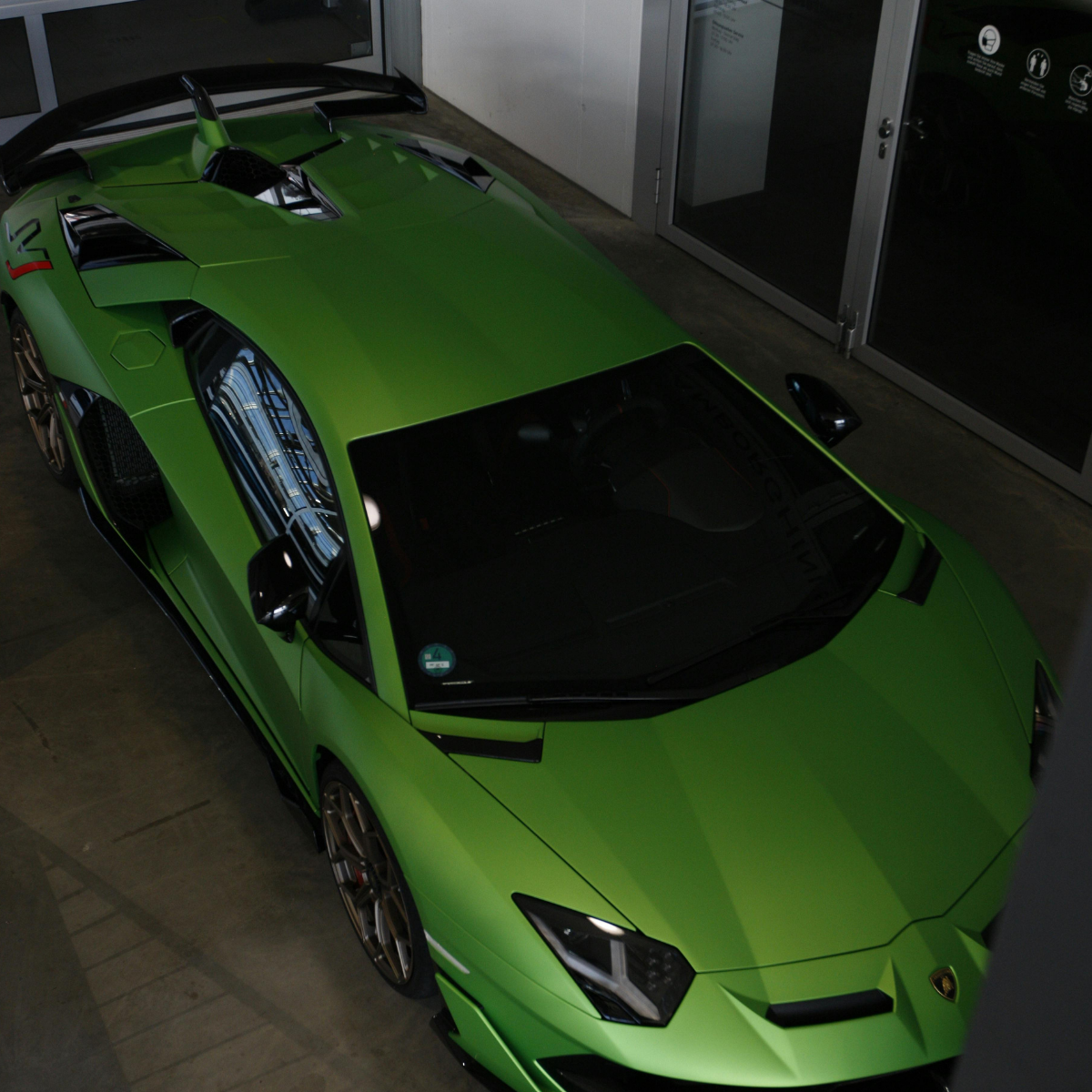
Vinyl Wrap vs Paint: What Most People Get Wrong in 2026
If you search vinyl wrap vs paint, you’ll see the same “wrap is cheaper” and “paint is permanent” talking points repeated everywhere. They’re not wrong—but they’re incomplete. In 2026, the real decision isn’t wrap or paint. It’s about what outcome you want, what risks you can tolerate, and whether you’re choosing based on marketing or on the realities installers see every week.
Here’s the uncomfortable truth: most bad outcomes don’t happen because wrap is “bad” or paint is “good.” They happen because people choose the wrong method for the wrong goal, then blame the material. This article breaks the comparison down the way professional shops and B2B suppliers evaluate it—by durability, appearance, downtime, cost structure, and end-of-life behavior.
The 9 brutal truths that decide “wrap vs paint”
1) “Cheaper” is not the same as “better value”
Yes, vinyl wraps usually cost less upfront than a quality repaint. But value is the total cost over the time you plan to keep the vehicle.
-
If you want a 3-year style refresh, wrap tends to win on value.
-
If you want a 10-year keep-it-forever finish, paint can win—if done correctly.
What changes the math is what happens after installation: fading, shrinkage, chips, maintenance time, and whether you’ll need a redo.
2) Paint can be “forever”—but only if the work is exceptional
A high-quality paint job can look incredible and last a long time. But it’s also the easiest place to waste money. Many “paint jobs” are not truly comparable because:
-
prep varies wildly (sanding, masking, panel alignment, contamination control)
-
the shop environment matters (dust, humidity, curing discipline)
-
materials range from budget to premium systems
A repaint is permanent—good or bad. Wrap is removable. That “reversibility” is not a minor feature; it’s often the reason wrap wins for modern buyers.
3) Wrap quality shows up first at edges, not the hood
In the vinyl wrap vs paint debate, people focus on “how it looks on day one.” Installers focus on “how it behaves at the edges after heat cycles.”
Low-quality vinyl and/or poor technique often fails here first:
-
edges lifting at mirrors, door cups, bumpers
-
seams opening after sun exposure
-
shrink-back on recessed areas
-
adhesive residue on removal
That’s why experienced shops talk about material behavior (stretch, memory, adhesive balance) instead of just brand names.
4) Wrap is not protection—PPF is
Let’s say this clearly: vinyl wrap is a styling product, not a protection product. It can reduce light surface abrasion and minor scuffs, but it’s not engineered for rock-chip defense.
If your goal is impact protection, you should be comparing:
-
PPF vs paint, or
-
Color PPF vs vinyl wrap, not wrap vs paint.
Wrap changes appearance; paint changes the substrate; PPF protects the substrate.
5) The “best look” depends on what you mean by “best”
Paint can deliver unmatched depth, metallic flop, and a high-end clearcoat look—when done right. Wrap can deliver finishes paint struggles to replicate consistently, like:
-
true satin with controlled sheen
-
textured looks (forged carbon, brushed metal)
-
fast color trends without repaint risk
In 2026, many buyers prefer wraps precisely because wraps can look modern and “factory-clean” without the variability of bodyshop work.
6) Resale value is about perception, not a line item
A used-car buyer won’t see “vinyl wrap” as a line item in pricing models, but they absolutely react to what they see:
-
consistent gloss and color
-
no obvious seams or lifting
-
no overspray or orange peel
-
evidence the car was cared for
A clean wrap can help a vehicle present better. A bad wrap can hurt trust. A cheap repaint can also kill resale if it looks like a cover-up. The winner is the outcome, not the category.
7) Downtime is a hidden cost people ignore
In real operations, downtime matters.
-
Wrap: commonly 1–3 days (depending on complexity and cure)
-
Paint: often 1–2+ weeks when done properly (prep, base, clear, cure, reassembly, polish)
If this is a daily driver, work truck, fleet vehicle, or customer car for a shop, the downtime cost changes everything.
8) Maintenance effort is different, not necessarily easier
Wrap maintenance is not hard, but it’s different:
-
avoid harsh solvents and aggressive compounds
-
wash technique matters (marring shows easier on matte/satin)
-
edges and seams need gentle care
-
some finishes require more discipline than paint
Paint maintenance can also be high effort, especially if you’re correcting swirls and maintaining a show finish. The question is what kind of maintenance you’re willing to commit to.
9) End-of-life matters: removal risk vs repaint risk
The smartest way to compare vinyl wrap vs paint is to think about what happens at end-of-life:
-
Wrap end-of-life: remove and refresh (risk: residue, fragile old film, neglected paint)
-
Paint end-of-life: polish/correct or repaint again (risk: escalating cost, mismatch, clearcoat failure)
If you plan style changes every few years, wrap is built for that. If you want “set it and forget it,” paint can make sense—if you invest enough to do it right.
A practical comparison table
| Decision Factor | Vinyl Wrap | Paint (Quality Repaint) | Who Usually Wins |
|---|---|---|---|
| Upfront cost | Lower–medium | Medium–high | Wrap (short-term) |
| Appearance depth | High (varies by finish) | Highest when done right | Paint (show depth) |
| Trend flexibility | Very high | Low | Wrap |
| Downtime | Low | High | Wrap |
| Rock chip resistance | Low | Low–medium (depends) | Neither (PPF wins) |
| Reversibility | Yes | No | Wrap |
| Risk of bad outcome | Medium (install dependent) | High (shop dependent) | Wrap (if good installer) |
| End-of-life options | Remove/replace | Polish or repaint | Depends on goals |
How to choose in 60 seconds
Choose vinyl wrap if you want:
-
a new look without permanent modification
-
faster turnaround
-
access to modern finishes (satin, textured, special effects)
-
predictable costs and future refresh cycles
Choose paint if you want:
-
permanent restoration
-
the deepest “wet” finish and custom paint effects
-
to repair major bodywork and make it seamless
-
long-term ownership where repaint is justified
Choose neither if your goal is protection
If your main concern is chips, abrasion, and daily wear, the more honest solution is PPF (clear or color). Many high-end builds use a combined approach: paint correction → PPF on impact zones → wrap only when style demands it.
The B2B angle: what shops and distributors evaluate (but blogs skip)
A consumer might compare wrap colors. A shop compares callback rates.
When a shop decides whether to recommend wrap vs paint, the real questions are:
-
Does the material install consistently across batches?
-
Does it lift on edges after heat cycles?
-
Does it remove cleanly at end-of-life?
-
Does the finish hide or highlight prep quality?
-
How sensitive is it to installer technique?
This is why “brand comparison” content is often misleading. Two shops can use the same brand and get different outcomes because the installer, environment, and prep standard are different. The profitable shops standardize their process and choose materials that behave predictably.
Common mistakes that make either option look terrible
Mistakes that ruin wraps
-
wrapping over contaminated paint (tar, iron fallout, wax)
-
overstretching on deep recesses
-
poor post-heating (shrink-back later)
-
ignoring edge sealing or edge prep
Mistakes that ruin paint
-
inadequate prep and masking
-
rushing cure times
-
contamination (dust nibs, fisheyes)
-
poor blending and clearcoat discipline
If you’ve ever seen a “wrap failed” photo online, there’s a good chance it wasn’t just the film. If you’ve seen a “fresh paint looks bad” job, it’s almost always process and environment.
Internal links (suggested for your site)
-
Vinyl Wrap Lifespan: /blogs/vinyl-wrap-lifespan
-
Car Wrap Cost in 2026: /blogs/car-wrap-cost-2026
-
Color PPF vs Vinyl Wrap: /blogs/color-ppf-vs-vinyl-wrap
-
PPF Thickness Myths: /blogs/ppf-thickness-myths
FAQ
1) Is vinyl wrap cheaper than paint in 2026?
Usually yes upfront, but total value depends on how long you keep the vehicle and whether you plan to refresh the look every few years.
2) Does vinyl wrap damage paint when removed?
A properly installed wrap removed at the right time typically removes cleanly. Problems usually come from old film left too long, low-quality adhesive, or weak/repaired paint underneath.
3) Which lasts longer: vinyl wrap or paint?
Quality paint generally lasts longer than vinyl wrap. But “lasting longer” isn’t always the goal—wrap is designed to be replaced as styles change.
4) Is vinyl wrap good for resale value?
A clean, well-installed wrap can help presentation, but a bad wrap can hurt buyer trust. Resale impact is more about appearance and perceived care than the material category.
5) Can I wrap over an old paint job?
Yes, but prep matters. Oxidized clearcoat, peeling paint, or bodywork issues should be addressed first, or the wrap can fail early.
6) If my main goal is rock chip protection, should I wrap or paint?
Neither is ideal. For impact protection, PPF is the more direct solution. Many owners do PPF on high-impact areas and wrap for color.
7) What finish is easiest to maintain: wrap or paint?
Gloss finishes are generally easiest in both categories. Matte and satin (wrap or paint) show wash marks more easily and require gentler washing habits.
Final thought (keep this decision simple)
The best choice in the vinyl wrap vs paint debate is the one that matches your time horizon. If you want flexibility, fast turnaround, and trend-ready finishes, wrap is hard to beat. If you want permanent restoration and maximum depth, paint can be worth it—if you choose a shop that treats prep and curing like a discipline, not a shortcut.
For shops and distributors, the best wrap and film decisions aren’t made by hype—they’re made by consistency. Highcool supplies factory-direct protection materials for B2B partners, including vinyl wrap, PPF, and window film, with batch stability and documentation designed to help installers reduce comebacks and scale services with confidence—without turning every job into a reinvention of the process.
Share:
Matte vs Gloss Vinyl Wrap: 9 Powerful Pros & Cons
Windshield Film Legal: 9 Critical US/EU Rules (Safe)