
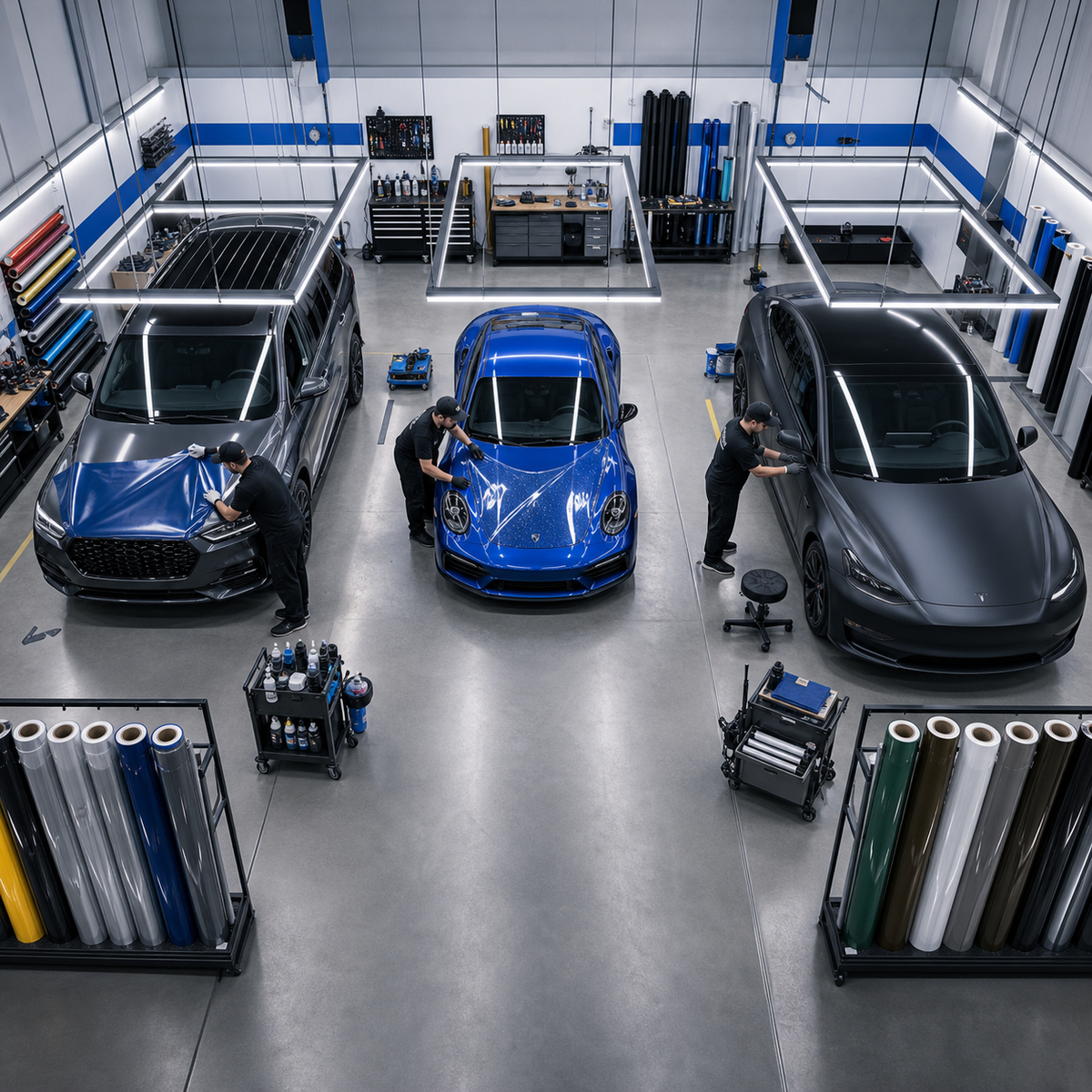
Vinyl wrap is a thin, flexible PVC film with a pressure-sensitive adhesive that is applied over a vehicle's paint to change its color or finish. It sits on top of the paint instead of bonding with it, so it can be removed later. For a new wrap shop, that simple definition hides most of what decides whether a job comes back for a redo: the film, the install and what the customer expects it to do.
Vinyl wrap is not paint
Because the film sits on the paint, a wrap is reversible and much faster to apply than a respray, usually days instead of weeks in a body shop. It is also less durable than good paint, and the result depends heavily on the installer. A wrap that looked perfect at delivery can lift at the edges a few weeks later if the film was overstretched or the edges were not post-heated.
So the first question for a customer is what they expect the wrap to do. If the answer is "change the color," vinyl wrap is the right product. If the answer is "stop rock chips," it is not.
Vinyl wrap is a style product, not a protection product
Wrap film gives the paint some cover against light wear and UV, but it does not absorb stone impacts the way paint protection film (PPF) does, and it has no self-healing topcoat.
| Feature | Vinyl Wrap | PPF |
|---|---|---|
| Base material | PVC | TPU |
| Scratch and chip resistance | Low | High |
| Self-healing topcoat | No | Yes |
| Main purpose | Color and finish | Protection |
Tell the customer this at the counter. A wrap customer who thought they bought chip protection is the one who comes back angry after the first highway trip.
Film quality matters more than the brand name
From the factory side, three things separate a good wrap film from a bad one. The PVC formulation decides whether the film stays flexible or turns brittle, shrinks and fades unevenly. The adhesive decides whether edges stay down, whether the film can be lifted and repositioned during the install, and whether it leaves glue behind on removal. Film memory decides how hard the film pulls back toward its original shape after it is stretched into a recess.
Installers who have wrapped a few hundred cars usually care less about the logo on the box than about consistency between batches, how the film stretches and how forgiving it is when a panel has to come up and go down again.
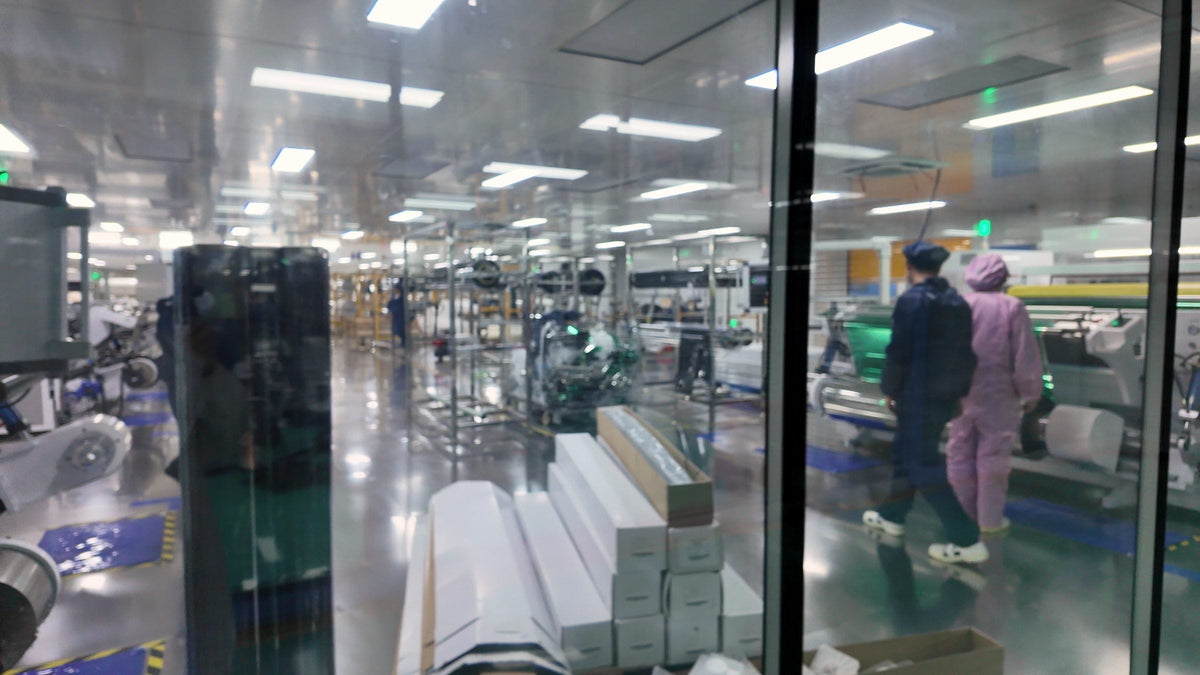
HIGHCOOL Vinyl Wrap is calendered PVC, made at our own factory in Shanghai. Calendered film is rolled from heated PVC, so it carries more memory than cast film. Heat it to shape, avoid overstretching into deep recesses, use relief cuts or inlays on very deep areas, and post-heat stretched areas and edges so the film sets.
Installation decides much of the result
The common callbacks look the same in every shop:
- edges lifting a few weeks after delivery
- bubbles that appear after the car sits in the sun
- seams that open or become visible
- color that looks lighter where the film was overstretched
Most of these come from the film and the installer together. An overstretched calendered film on a deep bumper will lift. The same film laid with less tension and post-heated will usually stay put. When you test a new film, test it on the hardest panel you wrap, not on a door.
| What installers check | What it saves |
|---|---|
| Repositioning | Time during the install |
| Air-release channels | Bubbles and pin pricks |
| Stretch tolerance | Lifting on curves |
| Adhesive balance | Callbacks and residue on removal |
Vinyl wrap lifespan depends on the car's life
A single "lasts X years" number is never the whole answer. Hot, sunny climates fade film faster, and cold climates make it more brittle. A garage-kept car outlasts a daily highway car. Hoods and roofs age before doors, because they face the sun. Dark colors absorb more heat than light ones, so they tend to age faster. HIGHCOOL Vinyl Wrap carries a 2-year warranty; how long a given wrap actually looks good depends on all of the above.
Cheap wrap film costs more later
Cheap film saves money on the invoice and costs it back in labor. If it lifts, fades or leaves glue on the paint, the shop pays for the redo, the removal hours and the review. For a shop, the price of the roll is the smallest part of the job cost. Labor is the biggest.
Vinyl wrap vs paint
| Factor | Vinyl Wrap | Paint |
|---|---|---|
| Cost | Lower | Higher |
| Time | Usually days | Usually longer |
| Reversible | Yes | No |
| Durability | Medium | High |
| Finish depth | Lower | Higher |
The comparison is really temporary color change against a permanent one. Lease customers and fleets pick the wrap because it comes off.
Where Color PPF fits
Color PPF combines the color change of a wrap with the protection of PPF: it is a TPU film with a self-healing topcoat and color built in. HIGHCOOL Color PPF is 7.5 mil, comes in 180+ colors on 15 m rolls and carries a 5-year warranty. It costs more than vinyl wrap, so it suits owners who want a new color and chip protection on the same car. Vinyl wrap stays the better fit for fleets, short-term color changes and tighter budgets.
If you are setting up a wrap shop, start with our Vinyl Wrap range: 300+ colors on 17 m rolls, shipped from stock in China. A Vinyl Wrap color chart costs $30 plus shipping.
FAQ
What is vinyl wrap used for?
Vinyl wrap is used to change a vehicle's color or finish without repainting. Shops also use it for fleet branding, partial accents such as roofs and mirrors, and covering leased cars. It is not a rock chip shield.
Does vinyl wrap protect paint?
Only a little: it covers the paint against light wear and UV, but it does not stop stone chips. For impact protection, use paint protection film. Color PPF gives color change and protection in one film.
Can vinyl wrap damage car paint?
Not on healthy factory paint when it is installed and removed properly. Low-grade adhesive, aged film and resprayed panels are where removal problems come from. Heat the film and pull it at a low angle.

Share:
Vinyl Wrap Colors for 2026: What Shops Should Stock
Is Windshield Film Legal? US and EU Rules