
Pick a PPF supplier the way you would hire an installer: make them prove it in your hands before they touch your business. A sales deck cannot yellow. Film can.
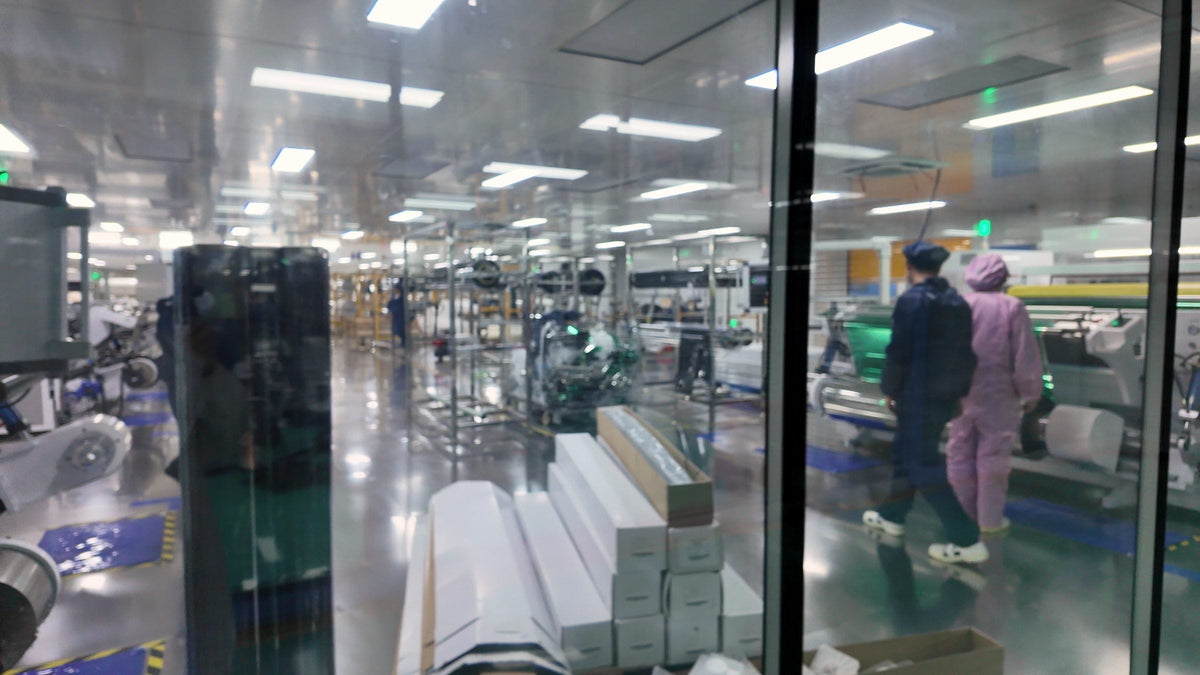
Start with the base material. Ask which TPU resin the film is built on and who makes it. A factory that controls its own sourcing answers in one sentence. Our film runs on Lubrizol, BASF, and Covestro base resins, and we name them because the resin decides how the film ages. A supplier who will only say "premium imported TPU" is usually reselling rolls they have never seen made.
Then ask for aging data instead of adjectives. A real factory runs accelerated weathering tests and can show you the report: hours in the chamber, the yellowing numbers, whether the adhesive layer was tested along with the topcoat. A warranty claim with no test report behind it is a marketing line. Ours is written down, a 5 to 10 year no-yellowing warranty depending on series, and it goes in the quotation, not just the brochure.
Test the samples yourself. Any supplier worth a call sends a free sample kit, so use it hard. Scratch the topcoat with a brass brush and hit it with a heat gun. Stretch a strip until it whitens. Lay it on a black panel and look for haze. You have seen what failure looks like. A hood comes back after two summers and the clear film has gone the color of weak tea. Every test on the bench is about never stocking that roll.
The glue deserves as much attention as the film. Silvering, clouding, lifted edges, residue smeared across the paint on removal. More warranty claims live in the adhesive than in the topcoat, and they surface years after the invoice is paid. Ask what the film looks like coming off a car at year three, then ask an installer who has actually removed that brand. Their answer is worth more than the spec sheet.
Only then talk terms. Get minimums, price tiers, and lead times in writing, and read the warranty document instead of the headline number. Who fronts the claim, you or the factory? What paperwork does a claim need? When a wrapped hood fails, the customer does not call the factory. They call you, and they want it redone for free. A supplier set up for export answers commercial questions fast. We send a factory-direct quote within 12 hours because that clock says something about how the rest of the relationship will run.
One last habit that costs nothing: keep an offcut from your first order. When the reorder lands, compare them. Roll 40 should stretch, tack, and heal exactly like roll 1. Inconsistent film does not show up on any certificate, it shows up in your rework hours, and that is margin walking out the door.
Put us through all of it. Request a free PPF sample kit and a factory-direct quote, and run the brass brush, the heat gun, and the black panel before you commit a shelf to anything.
FAQ
How many PPF suppliers should I test before choosing one?
Three is the practical minimum. Test their samples side by side on the same panel with the same tools, because differences in clarity, stretch, and healing only show up in direct comparison.
What is the biggest red flag in a PPF supplier?
No test data. If a supplier cannot show weathering reports or name the resin behind the film, the quality claims are guesses. Every serious factory can back its numbers on paper.
Is factory-direct better than buying through a distributor?
Usually, on both price and answers, because no middle layer sits between you and the people who made the film. The exception is a factory that is not set up for export, so confirm lead times, stock location, and claim handling before you switch.
The film we would use here is our Paint Protection Film (PPF). Ask for a quote with your country and monthly volume.

Condividi:
Window Film for Tractor and Ag Equipment Cabs: What Shops Should Stock
OEM and Private-Label PPF: How It Works for Distributors