
Shipping 50 rolls of 5% window tint from a factory in China to a shop in Dallas goes smoothly when four things are settled before the freight leaves: the exact film and roll count, how the rolls are packed, who pays for what under the shipping terms, and who is standing at the dock when the truck shows up. Most freight trouble on an order this size comes from one of those four being left vague.
Fifty rolls is not a restock. It is usually tied to something, a dealership program, a dark-film push before summer, or a distributor building stock for installers around the region. If that freight lands late, crushed or with the wrong paperwork, the cost is the jobs you could not do that week, and the freight bill is the small part.

Why 50 rolls changes the logistics conversation
A few rolls go in a box with a courier label. Fifty rolls go on pallets. Once film is palletized you are dealing with carton counts, pallet weight, whether the delivery address can take a freight truck, whether anyone there has a forklift or a pallet jack, and import paperwork with your company name on it. Small misunderstandings that do not matter on a three-roll order start costing money at this size.
HIGHCOOL Window Film ships from our factory in Shanghai. The US warehouse holds PPF only, so a tint order to Texas is an international shipment from the start, and it should be planned as one.
Why 5% tint needs clear inventory planning
5% is the shade people ask for by name: limo tint on rear glass, privacy packages, SUVs and vans. In Texas it is legal on the rear side windows and back glass when the vehicle has outside mirrors on both sides, but the front side windows must let in at least 25% of light. So 5% stock in Dallas moves through rear-glass work, and a shop that orders 50 rolls of it should know which jobs will use them.
Before you place the order, split the rolls on paper. How many stay in your own bays? How many go to dealer accounts, mobile installers or resellers? If you cannot answer that, you may be buying for the price break and not for a sales plan. Our Automotive Window Tint page lists the film lines and VLT options so you can match each roll to a job type.
What buyers should confirm before shipment
Ask the freight questions while the order is still a proforma invoice, not after it is on the water. For a 50-roll tint order, get these in writing:
- Film line, VLT and roll width for every SKU, with the roll count per SKU
- Packing method: rolls per carton, cartons per pallet, pallet dimensions and gross weight
- Ship date, which we confirm on the proforma invoice
- Shipping terms (for example FOB, CIF or DDP) and which side pays freight, duties and final delivery
- Who files the US customs entry and whether you need a customs broker
- Delivery address type (commercial dock or storefront) and whether a liftgate is needed
- A receiving contact with a phone number that gets answered
- How a damage claim works and what photos are needed
A buyer who asks all of this is not being difficult. It is the list that keeps a freight agent from calling you on a Friday with a storage fee. Our Shipping Policy and FAQ cover the standard answers, and the rest goes through Contact Us.
Why packaging is part of product quality
A roll can leave the line perfect and still arrive unusable. Film rolls fail in transit in predictable ways: a carton gets crushed on one end, the core deforms, the roll edge takes a dent that shows up as a crease every wrap of the roll, or moisture gets into a carton that sat in a wet yard. The worst part is that some of this damage only shows when a tech unrolls the film on a car.
When that happens you lose more than the roll. You lose the time spent working out whether it was the film, your storage or the freight. That is why packing details belong in the quote, and why it is fair to ask your supplier for photos of the packed pallets before they leave.
Why Dallas is a useful example market
Dallas has a lot of cars, a lot of sun and a lot of tint work across retail shops, used car lots and fleets. A 50-roll shipment there rarely sits in one place. It gets broken down and sent to a second location, to dealer accounts or to mobile installers within days.
So plan the receiving before the truck arrives. Decide where each pallet goes, who checks the cartons against the packing list, and who signs the delivery receipt. Note any visible damage on that receipt before signing it, because most carrier claims depend on it.
Freight cost is only one part of landed cost
The freight quote is the number everyone looks at. The landed cost per roll is the number that matters. On top of ocean or air freight, a shipment from China to Texas can carry import duties, customs broker fees, port and terminal charges, the truck from the port to Dallas, liftgate or appointment fees, storage if nobody can receive, and your own labor to unload and count.
The cheapest freight option is not always the cheapest shipment. A route with clear paperwork and a forwarder who answers the phone can cost less overall than a low quote that ends in demurrage or a missed delivery window. We will not print freight prices here because they change with the route, the season and the terms. Tell us your delivery address and the terms you want, and we will quote it.
How factory communication reduces freight risk
Most freight problems are visible early if someone is looking. Before dispatch you should hear that the order is packed, see packing photos if you asked for them, get the packing list and commercial invoice, and receive the tracking or bill of lading as soon as it exists. After that you need one named person to contact if something moves off schedule.
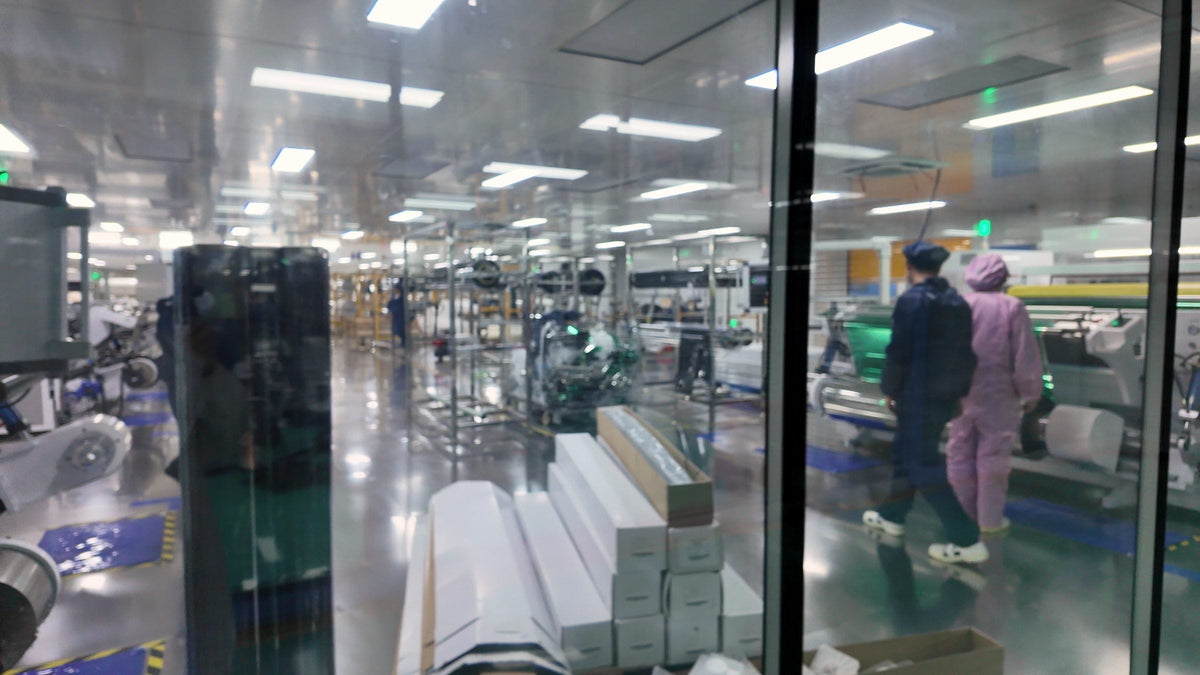
Buying direct from the factory helps here because the people who pack the order and the people who answer your questions work in the same building. Our About Us Factory page shows the Shanghai site where the film is made and shipped.
A freight planning checklist
- Confirm every SKU: film line, VLT, width and roll count.
- Confirm the packing structure and total pallet weight.
- Agree on shipping terms and who pays duties and final delivery.
- Line up a customs broker if the terms leave the import to you.
- Confirm the ship date on the proforma invoice.
- Give a receiving address, a contact and dock or liftgate needs.
- Plan where each pallet goes after it arrives.
- Agree on the claim process and keep photos of anything damaged.
None of this is complicated. The point is that the shipment arrives when and how you expected it.
If you are planning a bulk 5% order for Texas, send us the roll count, the address and the terms you prefer through our contact page, and we will come back with a packed-pallet plan and a freight quote.
FAQ
Why does shipping 50 rolls of tint need more planning than a small restock?
Fifty rolls ship on pallets as an international freight order, so packing, customs paperwork, delivery access and receiving all have to be arranged. A small order rides with a courier and most of that is handled for you.
What should a buyer confirm before a bulk tint shipment leaves the factory?
Confirm each SKU and roll count, the packing and pallet details, the shipping terms, who handles customs, and a receiving contact at the delivery address. Get the ship date on the proforma invoice and agree on how damage claims work.
Is the lowest freight quote the best option for a tint order?
Not always. Duties, broker fees, port charges, final delivery and delays all add to landed cost, so a slightly higher quote with clear paperwork and a responsive forwarder can cost less in the end.

Share:
Rideshare Driver Tint Upsells: A 35% Tint Guide for Shops
Rideshare Driver Tint Upsells: A 35% Tint Guide for Shops