
The way to sell 35% UV-blocking tint to Uber and Lyft drivers is to pitch it as a comfort upgrade for a car they work in all day, not as a looks package. Drivers already know what bothers them: the back seat is hot at 3 p.m., the sun comes in low on the airport run, and passengers complain. Your job is to connect the film to those problems.

Rideshare drivers are a different tint customer
A rideshare car might see morning sun, afternoon heat, downtown glare and late-night pickups in the same shift. For the driver it is a workplace, and they will spend on it if the money comes back. A retail customer often asks how dark the car will look. A rideshare driver asks whether it will feel cooler, whether riders will be more comfortable, and whether the car will look cared for when someone opens the door.
So lead with the workday. Show automotive window tint as the standard option and a heat insulation UV rejection window film as the step up, and talk about heat, glare and UV before you talk about shade.
Why 35% tint works for passenger comfort
35% cuts harsh sunlight and gives the back seat some privacy, but it is not so dark that a rider feels shut in. That matters in a car that carries strangers all day. Some passengers like a dark cabin. Others get uneasy getting into one at night. 35% sits in the middle for most people.
It also has to be legal where the driver works. 35% is allowed on front side windows in some states and too dark in others. California and New York, for example, require front side glass to let through at least 70% of light, so there the 35% goes on the rear glass only. A driver who gets pulled over or fails inspection loses hours, and they will remember which shop put the film on. Check the state rules with them before you quote, using our window tint percentage laws page as a starting point, and use the window tint percentages guide to show what each VLT level looks like.
How to explain UV blocking without overselling
Keep the UV pitch plain and avoid medical claims. Good window film reduces the UV that comes through the glass, and someone who sits in a car eight or ten hours a day gets more of that exposure than most people. That is enough. If the film you install has a rated UV rejection figure on its spec sheet, quote that number and nothing beyond it.
For a neutral source, point drivers to the Skin Cancer Foundation's page on UV window film and tint, which explains how UVA gets through car glass. A third-party link carries more weight with a customer than anything the shop says about its own product.
Comfort sells better than privacy alone
Privacy helps, but passengers rarely notice the tint percentage. They notice a hot seat, sun in their eyes on an afternoon ride, and a cabin that feels calm or one that doesn't. Those small things show up in ratings and tips. The driver feels it too: less squinting, less A/C running flat out, less fatigue by the end of a long shift.
Shade decides how dark the glass looks. The film material decides how much heat it stops. A ceramic film at 35% will usually keep a cabin cooler than a basic dyed film at the same shade. If a driver wants the details, send them to heat-blocking window tint for cars, how window tint heat rejection works and ceramic vs regular window tint.
How shops should package the offer
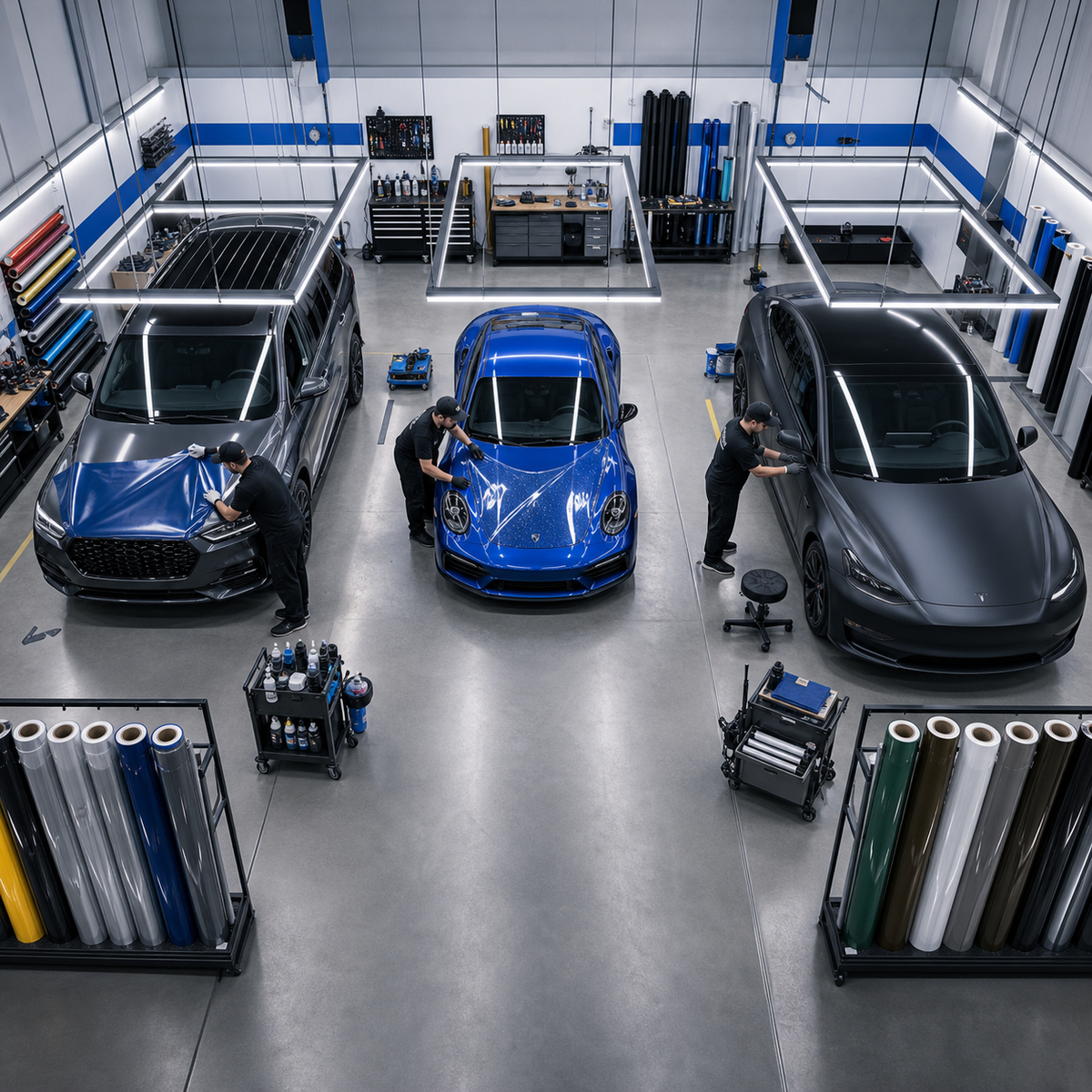
Keep the menu short. One rideshare package works: 35% on the glass the local law allows, a basic film price and a ceramic price side by side, and a one-line note on the invoice listing the film and VLT on each window. Drivers are business-minded and often price-sensitive. Two clear options let them choose without feeling pushed, and the ceramic upgrade sells itself once they feel the difference on a hot day.
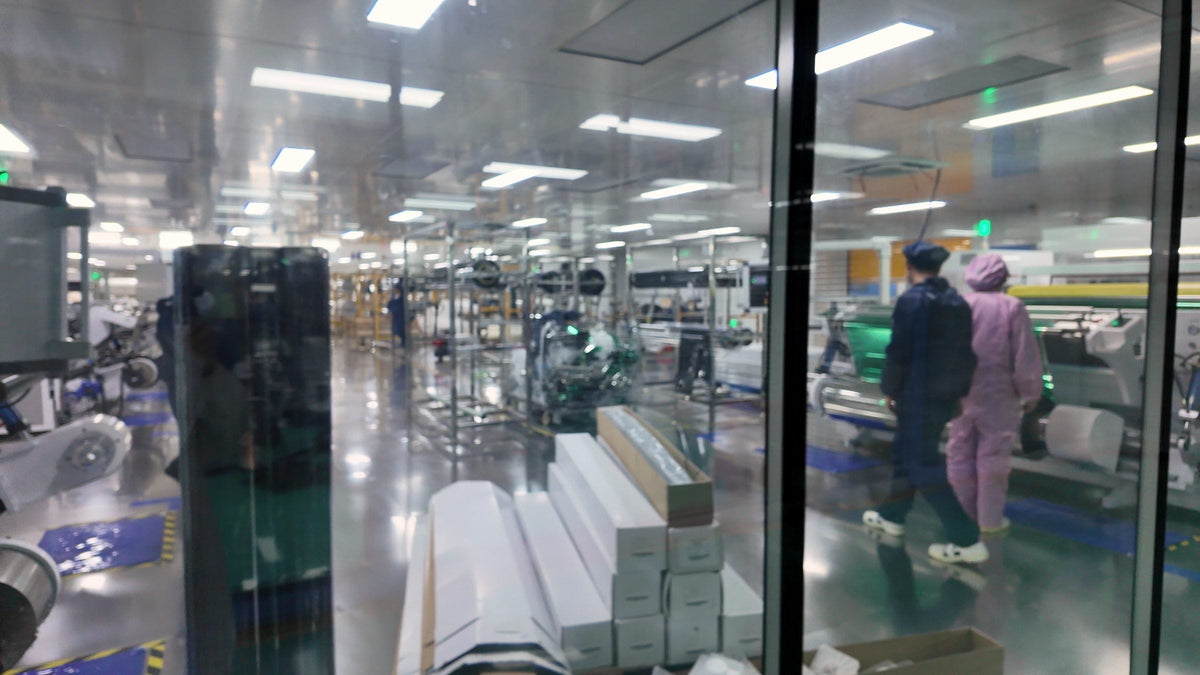
If you want to add a rideshare package to your menu, HIGHCOOL supplies window film by the roll from our Shanghai factory, with free A4 samples sent from US stock (you pay shipping) so you can show drivers the shades in person. Request samples and a quote here.
FAQ
Why is 35% tint a good option for rideshare drivers?
35% cuts glare and heat and adds privacy without making the cabin feel too dark for riders. Most riders are comfortable with it. Check that it is legal on each window in the driver's state first.
Is ceramic tint better for Uber and Lyft drivers?
Ceramic tint usually blocks more heat than basic dyed film at the same shade. For someone who drives all day, that difference is easy to feel. It costs more, so offer it as the step-up option.
Do rideshare drivers need to check tint laws?
Yes, because VLT limits vary by state and by window. In states such as California and New York, front side windows must let through at least 70% of light, so 35% is limited to the rear glass. A ticket or a failed inspection costs a driver working hours.

Share:
Freight and Logistics: Shipping 50 Rolls of 5% Tint to Your Shop
Freight and Logistics: Shipping 50 Rolls of 5% Tint to Your Shop