

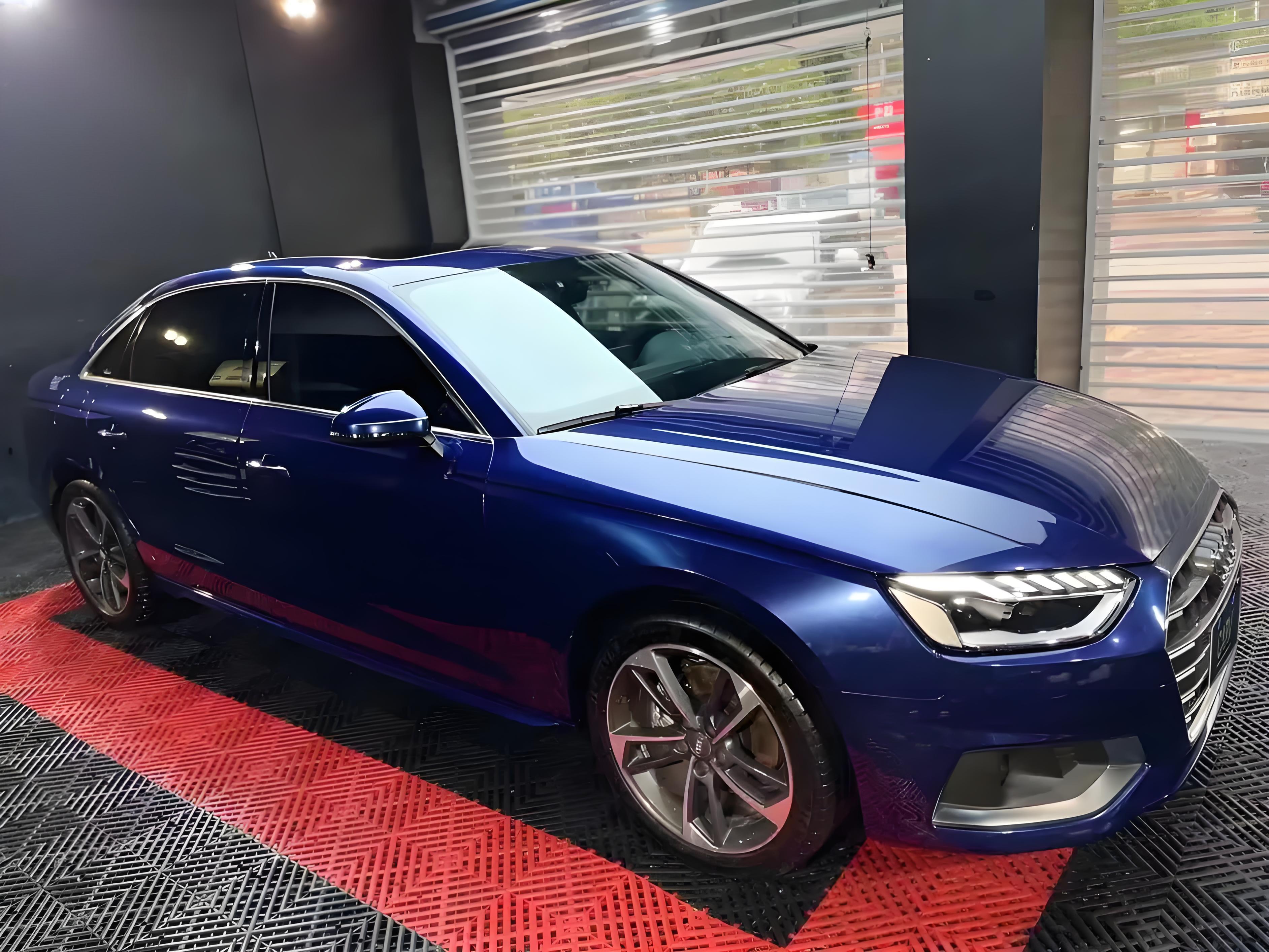
When parked under the sun, cars often turn into localized ovens — seats and dashboards soak up solar energy, and cabin temperatures can soar far above ambient air. For many drivers, tinted windows promise a cooler interior. But how exactly does that work? And why does the quality of window tint matter so much? This article provides a detailed breakdown of window tint heat rejection, from physics and material science to realistic expectations.
Why Your Car Heats Up — The Solar Heat Mechanism
Understanding how solar energy heats your car is the first step to appreciating tint’s value.
-
Infrared Radiation (IR): Roughly half of solar energy is carried as IR waves. These don’t light up your car — they bring direct heat. Touching a metal surface after sitting in the sun proves just how intense that IR heat can be.
-
Visible Light + Dark Interiors: Sunlight also penetrates glass as visible light. Dark surfaces inside (dashboards, seats) absorb that light, then re‑radiate it as thermal energy, heating the air inside the cabin.
-
Greenhouse Effect: With windows rolled up and little air flow, heat builds up faster than it can escape — that’s why car interiors can reach dangerously high temperatures even on moderate‑temperature days.
Without mitigation, the inside of a car can easily be 20–40 °F (10–22 °C) hotter than outside, especially on sunny days with little breeze.
How Window Tint Works: The Science of Heat Rejection
A quality window tint is much more than a dark film — it's a carefully engineered multi‑layer system designed to reject solar heat while maintaining visibility and functionality.
Key Layers in Heat‑Rejecting Window Films
| Layer | Purpose / Function |
|---|---|
| Nano‑ceramic or IR‑rejection functional layer | Selectively blocks infrared radiation (the main heat carrier), allowing visible light to pass through — reducing heat load without darkening view. |
| UV‑blocking layer | Blocks up to 99% of harmful UVA/UVB rays — protects occupants’ skin and prevents interior fading/damage. |
| Optical‑grade PET base layer | Provides smooth, uniform surface so the IR‑blocking layer works efficiently without distortion or “hot spots.” |
| Adhesive & Hard‑coat outer layer | Ensures the tint bonds firmly to glass, resists scratches, and maintains performance over time without delamination or wear. |
Why not all tints are equal: Basic dyed tints rely on dark polyester absorbing visible light. They block some visible brightness but offer very little IR rejection — meaning the car still heats up internally and may even re‑radiate the absorbed heat inward. In contrast, modern nano‑ceramic tints are engineered to block IR while remaining optically clear.
Heat‑Rejection Performance by Material Type
Here is a comparison of typical tint materials and their effectiveness at blocking solar heat:
| Material Type | Infrared Rejection (IRR) | Total Solar Energy Rejection (TSER) Estimate* | Typical Application / Comments |
|---|---|---|---|
| Dyed Film | < 10% (very poor) | < 30% | Cosmetic tint — least effective for cooling |
| Metalized Film | 60% – 80% (moderate) | 45% – 55% | Effective heat reflection but may interfere with electronics/GPS |
| Nano‑Ceramic Film | 80% – 98% (excellent) | 50% – 65%+ | Best balance of heat rejection, clarity, and signal compatibility |
*TSER = Total Solar Energy Rejected — a standard measure of how much of the sun’s total energy load (light + heat + UV) the film blocks.
Nano‑ceramic tints — thanks to their selective IR blocking — deliver the highest cooling performance while avoiding drawbacks like signal interference or interior darkening.
What Window Tint Actually Does — and Doesn’t Do
✅ What It Does
-
Reduces solar heat entering via glass — keeps cabin cooler after parking in sun.
-
Allows visible light in — maintains daylight, reduces need for interior lights.
-
Cuts UV exposure — protects skin and prevents interior fading.
-
Helps A/C cool cabin faster — because less heat enters in the first place.
-
Offers privacy or glare reduction depending on VLT/film choice.
❌ What It Does Not Do
-
Tint alone does not “cool” or pull heat out — it only prevents heat from coming in.
-
It does not replace ventilation or air conditioning when cabin is already hot.
-
Cheap dyed tints may act as “heat sponges,” absorbing sunlight and re‑radiating heat inside — making interiors even hotter than clear glass.
Realistic Expectations: How Much Cooler Can Tint Make Your Car?
With high‑quality nano‑ceramic tint properly installed, many drivers report:
-
Interior temperature reductions of 15–25 °F (8–14 °C) compared to clear glass under similar conditions.
-
Faster cool-down times — A/C reaches comfortable temperatures quicker, shortening warm‑up period.
-
Less fade and UV damage to dashboards, upholstery, and interior trim.
However, outcomes vary depending on film quality, window coverage, car interior color/materials, and ambient conditions. Tint is a passive defense, not an active cooling system — for best results, combine it with parking in shade, ventilation, or traditional cooling methods.
H2|Choosing the Right Tint: What to Look For
When selecting window tint for optimal cooling and comfort:
-
Use nano‑ceramic or IR‑rejecting tint, not basic dyed film.
-
Check TSER and IRR ratings, choose high-performance films (IRR ≥ 80%, TSER ≥ 50%).
-
Consider visible light transmission (VLT) — for front windows or windshields, aim for high VLT (e.g., 70 %) to preserve visibility; let heat rejection come from the functional layer, not darkness.
-
Avoid heavily metalized tints if your car uses modern electronics, GPS, Bluetooth or TPMS — they can interfere with signal reception.
-
Use professional installation — heat management, edge sealing, and perfect adhesion matter for long‑term performance.
✅ Conclusion: Window Tint as a Smart Heat‑Rejection Shield for Your Car
If you want a cooler cabin, faster air‑conditioning, UV protection, and preserved interior, quality window tint is one of the smartest, most cost‑effective upgrades you can make. Window tint heat rejection — especially with nano‑ceramic films — significantly reduces solar heat load, while maintaining comfort, visibility, and functionality.
Remember: it’s not magic — it’s physics. And when done right, tinting transforms your car from a parked oven into a safer, more pleasant environment for both short drives and long journeys.
About Highcool – Engineered for Performance, Trusted Worldwide
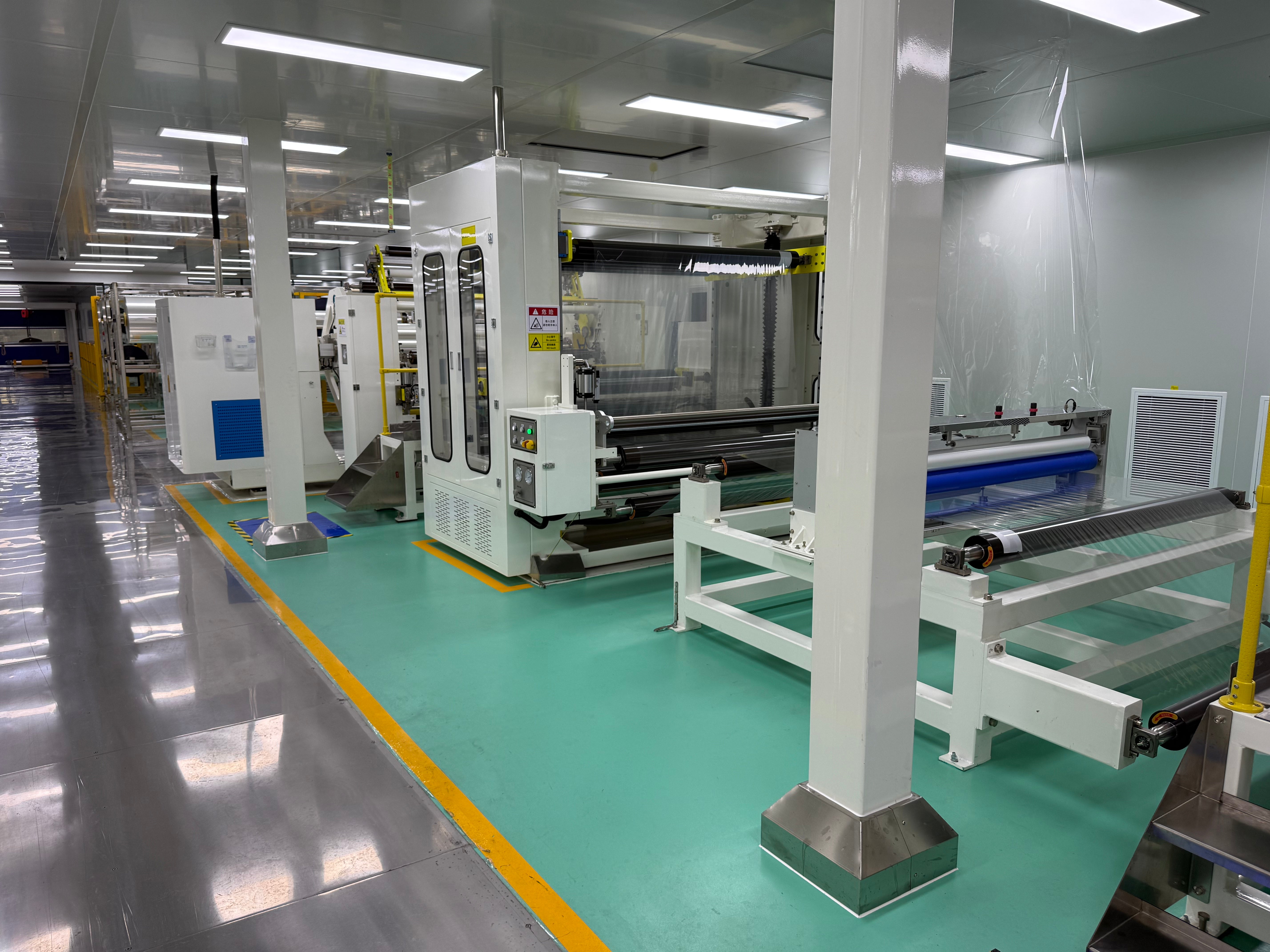
At Highcool, we don’t just distribute films—we engineer performance solutions. Backed by a 12,000㎡ state-of-the-art manufacturing facility and a team of experts in materials science, we specialize in advanced automotive tint, architectural window films, and protective coatings. Every product is developed in-house to meet global quality standards, ensuring high heat rejection, UV protection, and long-term durability.
Whether you're an installer, distributor, or end user, we provide OEM/ODM services, bulk ordering, and technical support tailored to your needs. Our vertically integrated supply chain means consistent quality, fast delivery, and reliable after-sales service.
📩 Interested in partnering with us or requesting a free quote?
Contact us at contact@highcool.com — our team is ready to support your project, no matter the scale.
Share:
Car Tint Percentages Explained: Guide & Comparisons
Ceramic Window Tint Cost, Benefits & Comparison Guide