
Ceramic window tint costs more than dyed or carbon tint, usually by a noticeable margin for the same car, and what you get for the extra money is better heat rejection without a metal layer that can block phone or GPS signals. Whether it is worth it depends on how hot your summers are, how long you keep the car, and which film the shop is actually installing.

What ceramic window tint is and how it works
Ceramic tint is a non-metallic window film with fine ceramic particles built into its layers. Those particles absorb and reflect a large share of infrared light, which is the part of sunlight you feel as heat on your arm. Dyed film mostly darkens the glass. Ceramic film can keep a car cooler even at a lighter shade.
Because there is no metal in it, ceramic tint does not interfere with GPS, phone signals, radio or toll tags. That was the main complaint about older metallic films, and it is one reason shops moved customers toward ceramic. Most quality ceramic films are also rated to block about 99% of UV, which slows the fading and cracking of seats and dashboards.
Ceramic tint vs carbon tint
Carbon tint sits in the middle of the market. It does not fade the way dyed film does, it has no signal problems, and it rejects a fair amount of heat. Ceramic does the same jobs better, mainly on infrared heat, and costs more.
| Feature | Carbon Tint | Ceramic Tint |
|---|---|---|
| Heat rejection | Moderate | High, especially infrared |
| UV protection | High | High (about 99% on most quality films) |
| Signal interference | None | None |
| Fading over time | Low | Very low |
| Price | Lower | Higher |
If you live somewhere with long, hot summers and the car sits outside, the difference in cabin heat is easy to notice. In a mild climate, or on a second car that rarely leaves the garage, carbon is often enough.
Ceramic tint vs regular window tint
"Regular tint" usually means dyed or metallic film. Dyed film is the cheapest and does little against heat, and over a few summers it can fade toward purple or brown. Metallic film rejects heat well but can weaken signals for phones and GPS. Ceramic avoids both problems, which is why it has become the standard upgrade at most tint shops.
Ceramic does have downsides. It costs more up front, it needs a professional install to look right, and quality varies a lot between brands. Two films both sold as "ceramic" can perform very differently, so the spec sheet matters more than the label.
How much ceramic window tint costs
We will not print a single price, because tint prices in the US vary widely by city, shop and film line. Ceramic usually lands at the top of a shop's price list, and a full SUV or truck costs more than a two-door coupe. The things that move the quote the most are:
| Cost factor | What it does to the price |
|---|---|
| Vehicle size and number of windows | More glass and more complex back windows mean more film and more labor |
| Film line | Entry ceramic and top-end ceramic can be priced far apart |
| Windshield or sunroof | Usually quoted as extras, often with a clear or very light ceramic film |
| Old tint removal | Peeling old film and cleaning off the glue adds labor time |
| Warranty | A longer or manufacturer-backed warranty is often part of a higher price |
The cheapest quote can turn into the most expensive one. A badly installed or low-grade film that bubbles or peels has to be stripped and redone, and you pay for the removal as well as the new film.
Types of car window tint film
Dyed window tint
Low cost and dark, with limited heat rejection. It can fade over time.
Metallic window tint
Reflects heat well, but the metal layer can interfere with electronic signals.
Carbon window tint
A middle option with good fade resistance and no signal issues.
Ceramic window tint
The strongest infrared rejection of the common types, with good clarity and no signal issues.
Hybrid window tint
Combines a dyed layer with a metal layer to balance price and heat rejection.
Photochromic window tint
Darkens as sunlight gets stronger. It is less common and usually more expensive.
How to find a reliable ceramic tint installer at a fair price
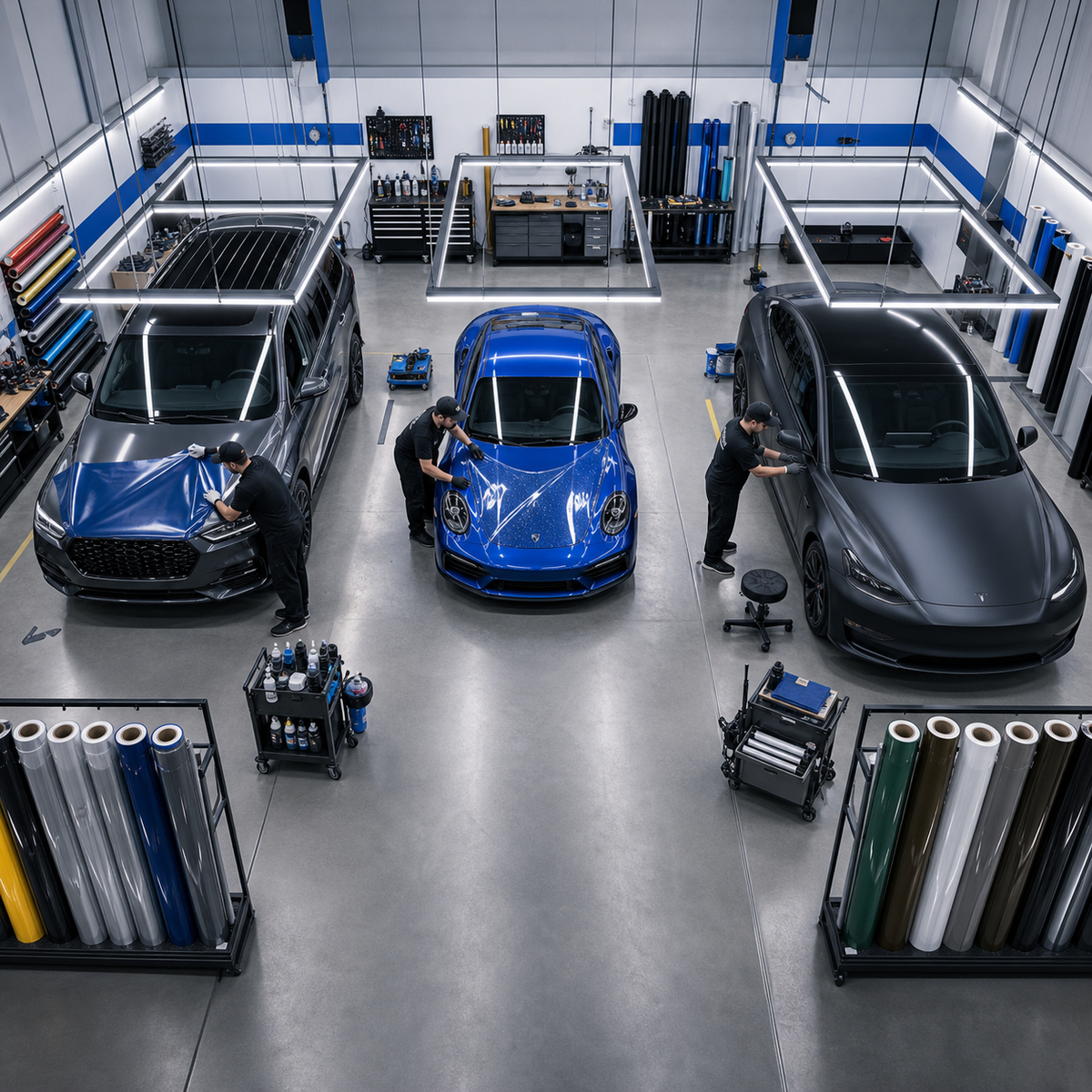
Look at the shop's own photos and reviews, and ask which film brand and line they install. A good shop will tell you the film's heat rejection and UV numbers and what the warranty covers. Be careful with prices far below everyone else in town, and make sure the shade you pick is legal for front side windows in your state.
Online tint cost calculators can give you a rough idea, but a real quote depends on the car in front of the shop and the film on its shelf.
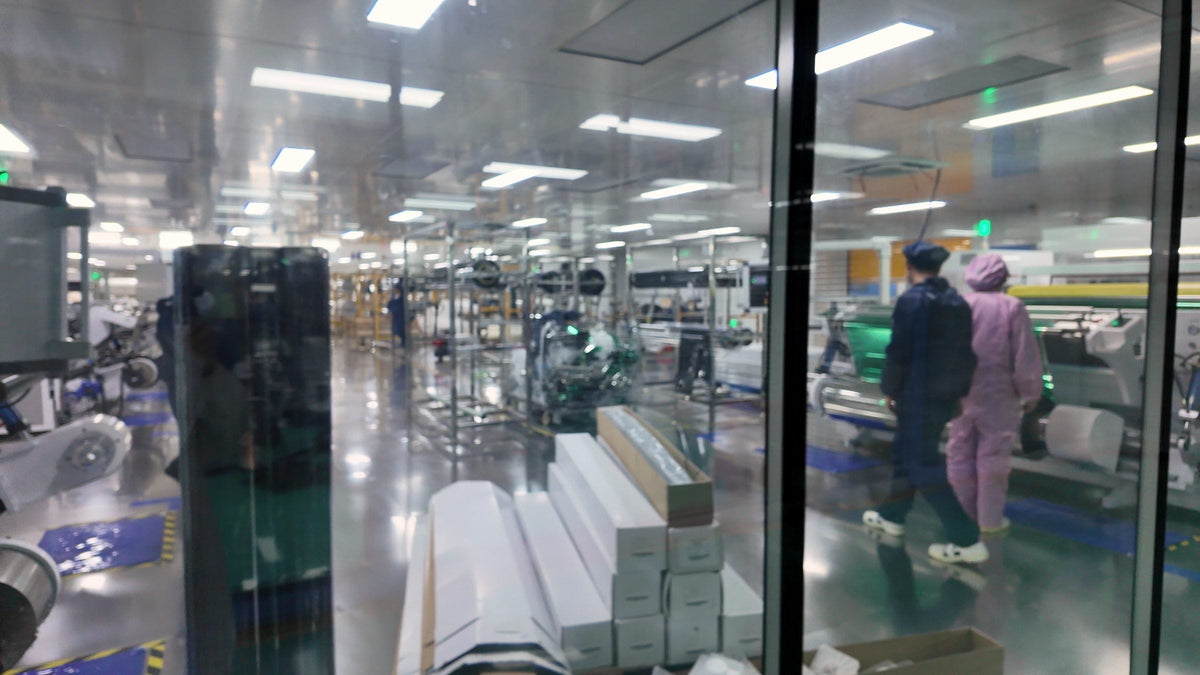
HIGHCOOL makes Window Film in its own factory in Shanghai and sells it by the roll to tint shops and distributors in more than 60 countries. Our ceramic lines are WV, 1.88 mil in 8%, 20%, 30% and 70% VLT, and WU, a UV400 film in 4%, 16%, 30% and 70%, both with a 7-year warranty. We publish TSER per model as nominal lab values, for example 43% for WV70 and 65% for WU05, which shows how much a darker ceramic shade adds on heat. If you run a shop and want to compare our ceramic film on your own cars, see the Window Film range or ask for a free A4 sample, and you only cover the shipping.
FAQ
Is ceramic window tint worth the extra cost?
For most drivers in hot, sunny climates, yes, because ceramic film keeps the cabin noticeably cooler without signal problems. In a mild climate or on a car that is rarely driven, carbon tint is often good enough.
Does ceramic tint block heat better than carbon tint?
Generally yes. Ceramic film rejects more infrared light, which is the part of sunlight you feel as heat, while carbon film rejects a moderate amount.
Will ceramic tint affect GPS or phone signals?
No. Ceramic tint contains no metal, so it does not block GPS, phone, radio or toll tag signals the way some metallic films can.

Share:
Does Window Tint Really Keep Your Car Cooler? Heat-Rejection Science Explained
Home UV Protection: Residential UV Window Film