
Window tint percentage laws in the US are set by each state, and they set the minimum share of visible light that must pass through each window, glass and film together. Most states are strictest on the windshield and front side windows and looser on the glass behind the driver. Legal front-side limits run from no film at all in states like New Jersey and Vermont to 20% in New Mexico.
If you tint cars for a living, the state table is the first thing to check before you quote, because a car that fails inspection or gets a ticket comes back to the shop that put the film on.
What the tint percentage means
The number is visible light transmission, or VLT: the percentage of visible light that gets through the window. A 70% reading is light. A 5% film, often called limo tint, lets almost nothing through. Laws measure the window as installed, so factory glass counts. Most factory glass is not perfectly clear, so a 35% film on a typical side window reads lower than 35% on a meter. Leave a margin when a customer wants to sit right at the legal limit.
A few other terms show up in state laws. The AS-1 line is a mark on the windshield glass, usually a few inches below the top edge, and most states allow tint only above it. Where there is no mark, states give a distance from the top instead, such as 4, 5 or 6 inches. Front side windows are the driver and front passenger windows. Rear side windows and the rear window are usually treated separately and often have no limit as long as the vehicle has outside mirrors on both sides. Many states also cap reflectivity, so mirror-finish films can be illegal even when their VLT is fine.
Window tint laws by state
The table shows the minimum VLT for passenger cars. Several states allow darker rear glass on SUVs, pickups and vans, and some require outside mirrors on both sides before the rear glass can be tinted. We checked these figures in October 2026, and several states have changed their rules since 2025. Confirm with the state DMV, state police or the statute itself before you set a shop standard.
| State | Front side windows | Rear side windows | Rear window | Windshield tint |
|---|---|---|---|---|
| Alabama | 32% | 32% | 32% | Top 6 in |
| Alaska | 70% | 40% | 40% | Top 5 in |
| Arizona | 33% | Any | Any | Above AS-1 |
| Arkansas | 25% | 25% | 10% | Top 5 in |
| California | 70% | Any | Any | Top 4 in |
| Colorado | 27% | 27% | 27% | Top 4 in |
| Connecticut | 35% | 35% | Any | Above AS-1 |
| Delaware | 70% | Any | Any | Above AS-1 |
| Florida | 28% | 15% (6% on SUVs and vans) | 15% (6% on SUVs and vans) | Above AS-1 |
| Georgia | 32% | 32% | 32% | Top 6 in |
| Hawaii | 35% | Any, with mirrors on both sides | Any, with mirrors on both sides | Above AS-1 or top 4 in |
| Idaho | 35% | 20% | 35% | Above AS-1 |
| Illinois | 35% (50% if rear glass is 30% or lighter) | 35% (or 30% with 50% front) | 35% (or 30% with 50% front) | Top 6 in |
| Indiana | 30% | 30% | 30% | Above AS-1 |
| Iowa | 50% (from July 1, 2026) | Any | Any | 70% light through |
| Kansas | 35% | 35% | 35% | Above AS-1 |
| Kentucky | 35% | 18% | 18% | Above AS-1 |
| Louisiana | 25% (from August 1, 2025) | 25% | 12% | Above AS-1 |
| Maine | 35% | 35% | 35% | Top 4 in |
| Maryland | 35% | 35% | 35% | Top 5 in |
| Massachusetts | 35% | 35% | 35% | Top 6 in |
| Michigan | Top 4 in only | Any | Any | Top 4 in |
| Minnesota | 50% | 50% | 50% | No film |
| Mississippi | 28% | 28% | 28% | Above AS-1 |
| Missouri | 35% | Any | Any | Above AS-1 |
| Montana | 24% | 14% | 14% | Above AS-1 |
| Nebraska | 35% | 20% | 20% | Above AS-1 or top 5 in |
| Nevada | 35% | Any | Any | Above AS-1 |
| New Hampshire | 70% | 35% | 35% | No film |
| New Jersey | No film | Any | Any | No film |
| New Mexico | 20% | 20% | 20% | Above AS-1 or top 5 in |
| New York | 70% | 70% on passenger cars; any on SUVs, pickups, vans | 70%, or any with mirrors on both sides | Top 6 in |
| North Carolina | 35% | 35% | 35% | Above AS-1 or top 5 in |
| North Dakota | 35% | Any | Any | 70% light through |
| Ohio | 50% | Any | Any | 70% light through |
| Oklahoma | 25% | 25% | 25% | Above AS-1 or top 5 in |
| Oregon | 35% | 35% | 35% | Top 6 in |
| Pennsylvania | 70% | 70% | 70% | No film |
| Rhode Island | 70% | 70% | 70% | Above AS-1 |
| South Carolina | 27% | 27% | 27% | Above AS-1 |
| South Dakota | 35% | 20% | 20% | Above AS-1 |
| Tennessee | 35% | 35% | 35% | Above AS-1 |
| Texas | 25% | Any | Any, with mirrors on both sides | Above AS-1 or top 5 in |
| Utah | 43% | Any | Any | Above AS-1 |
| Vermont | No film | Any | Any | Above AS-1 |
| Virginia | 50% | 35% | 35% | Above AS-1 |
| Washington | 24% | 24% | 24% | Top 6 in |
| West Virginia | 35% | 35% | 35% | Top 5 in |
| Wisconsin | 50% | 35% | 35% | Above AS-1 |
| Wyoming | 28% | 28% | 28% | Above AS-1 or top 5 in |
Recent changes worth knowing: Louisiana dropped its front-side limit from 40% to 25% on August 1, 2025. Hawaii's Act 129, in force since May 29, 2025, kept the front sides at 35% and exempted the rear side and rear windows on vehicles with mirrors on both sides. North Dakota moved its front sides from 50% to 35% in 2025, and Iowa moved from 70% to 50% on July 1, 2026. Delaware has a bill to allow 35% front sides, but at the time we checked it had not become law.
How tint is checked
Police and inspection stations use handheld tint meters that read the light passing through the glass and film together. States with annual safety inspections, such as New York, Pennsylvania and Texas, check tint at inspection, so an illegal film gets caught even without a traffic stop. When drivers cross state lines, the rule of the state where they are driving applies, and only some states make exceptions for cars registered elsewhere. Fines and correction orders vary by state.
Medical exemptions and color rules
Most states allow darker film than the table shows for drivers with a documented medical condition, usually light sensitivity or a skin condition, with a signed statement from a physician or optometrist. The paperwork differs a lot. Texas wants a signed statement kept in the car. New Hampshire issues a waiver that lasts two years. New York uses form MV-80W. Check the process in your state before installing anything darker than the law allows.
Color and finish rules sit on top of VLT. Many states ban red, amber or blue film on the windshield or front windows, and many limit how reflective a film can be. A ceramic or carbon film with low reflectivity avoids most of these problems.
Choosing a legal tint percentage
Start from the legal limit for each window, then pick the shade. Drivers who do a lot of night driving often prefer lighter film than the law allows, especially on the rear glass they use for reversing. Heat rejection comes from the film construction, not the darkness, so a light ceramic film can keep a cabin cooler than a dark dyed one. That matters most in states with strict front-side limits. Our guides to heat-blocking window tint and heat rejection explain the difference.
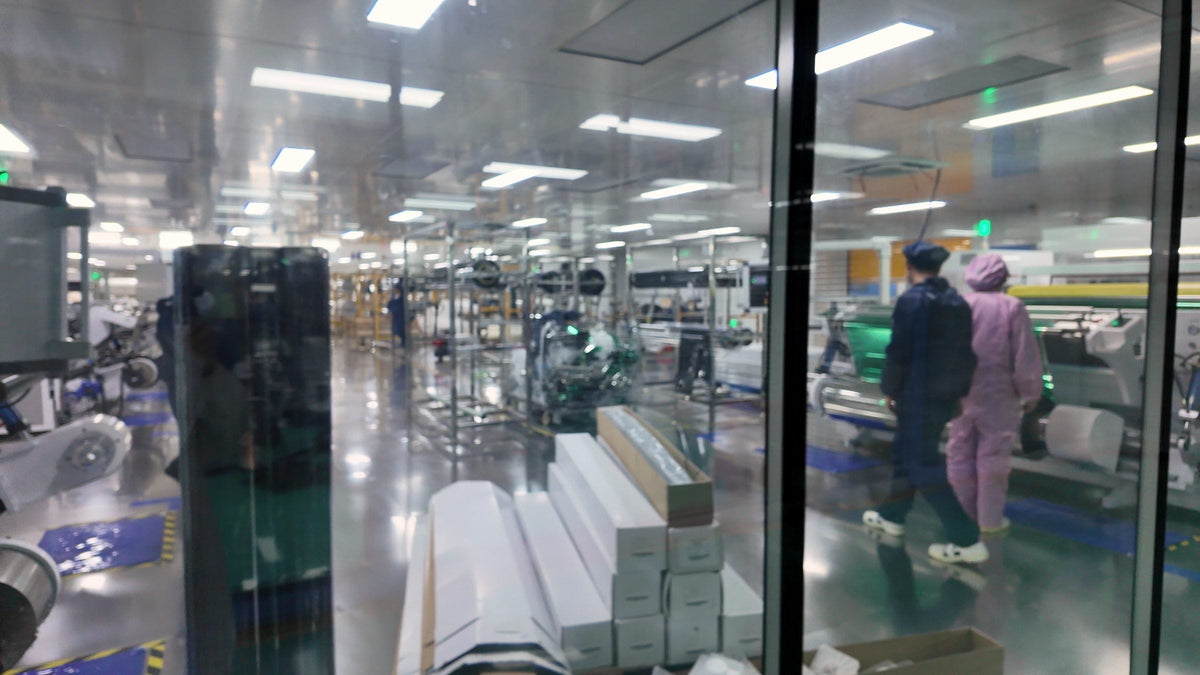
For shops, the practical habit is simple. Meter the glass before quoting, check the vehicle class on the door label, write the shade on each window on the work order, and keep the order. If the car comes back from inspection, that order is your record. HIGHCOOL makes Window Film by the roll in our own Shanghai factory, ships it from China, and sends free A4 samples from US stock with the buyer paying shipping; see the Window Film range to match shades to the laws in your state, then send us your monthly roll volume for a quote.
FAQ
What is the darkest legal window tint in the US?
New Mexico allows 20% on the front side windows, the darkest front-side limit among the states. Many states allow any darkness on the rear side windows and rear window. Medical exemptions can allow darker film in most states.
Is 5% limo tint legal?
5% tint is not legal on the front side windows in any state without a medical exemption. Many states allow it on rear side windows and the rear window, often only if the vehicle has outside mirrors on both sides. Check your state's rear-glass rules before installing it.
Do I have to follow another state's tint law when I drive there?
Yes, the law of the state you are driving in applies. Some states make an exception for cars that are legal where they are registered, but do not count on it. Drivers who move must meet the new state's limits when they register the car.

Share:
35% Window Tint: What Tint Shops Should Know
Types of Window Tint: Compare Films, Specs and Samples