
35% window tint lets 35% of visible light through and blocks the rest, which gives a car noticeable privacy and glare control while keeping the view out clear enough for most people at night. It is one of the most requested shades in tint shops because it looks finished without looking extreme. Whether it is legal depends on the state and the window, and how much heat it blocks depends on the film type, not the number.
Understanding window tint and VLT%
VLT stands for visible light transmission, the share of visible light that passes through the window. A 35% film lets 35% through. What the law and a tint meter measure is usually the glass and film together, and untinted factory glass is not perfectly clear. Put a 35% film on a door glass that already blocks some light, and the meter can read a few points lower. Shops working near a legal limit should meter the glass first.
What is a 35% window tint?
From outside, 35% looks clearly tinted but not blacked out. In daylight you can make out shapes in the car without seeing much detail. From inside, the cabin feels shaded but still bright, and most drivers can see well at night, including when reversing in a dark driveway. It is darker than standard factory front glass and much lighter than 20%, 15% or 5% limo tint.
35% tint vs 20% tint
| Aspect | 35% tint | 20% tint |
|---|---|---|
| Privacy | Moderate | High |
| Night visibility | Good for most drivers | Noticeably reduced |
| Glare control | Good | Stronger |
| Legal on front side windows | In some states | In fewer states |
| Typical customer | Daily drivers, rideshare, families | Owners who want maximum privacy on rear glass |
Heat is missing from that table on purpose. A 20% dyed film can block less heat than a 35% ceramic film, so shade alone does not tell the customer how cool the car will be.
Key benefits of 35% VLT tint film
Privacy and visibility are the main draw. 35% keeps casual eyes out of the car without making the cabin feel like a closed box, and drivers who were worried about night driving usually find it comfortable.
Glare drops too. Low sun, wet roads and reflections off other cars are easier on the eyes, which helps on long drives. With a heat-rejecting film the cabin also warms up more slowly in a parking lot, so the A/C has less work to do.
Quality films block most UV, which slows fading and cracking of dashboards, leather and upholstery and cuts UV exposure for people inside. If you quote a UV figure to a customer, take it from the data sheet of the film you install.
Not all 35% tints work the same
The number tells you how dark the film is. The construction tells you what else it does. Dyed films are the cheapest and mainly absorb light, and lower grades can fade or turn purple over time. Metallized films reflect heat well but can interfere with phone, GPS and keyless signals in some cars. Carbon films sit in between and hold their color. Ceramic films block the most infrared heat for a given shade and use no metal, so they do not affect electronics. For a customer who wants 35% mainly for heat, ceramic is the one to show.
Understanding local tint laws
Tint laws set separate limits for the windshield, the front side windows and the rear glass, and they vary a lot by state. North Carolina, for example, requires at least 35% total light transmission on side windows under G.S. 20-127, with a meter reading above 32% presumed to comply. California and New York require front side windows to pass at least 70%, so there 35% belongs on the rear glass only. Since the limit applies to glass plus film, a 35% film can fail a 35% rule once it sits on factory glass. Check the current rules for each state you serve, and write the film and VLT on the invoice.
Selecting a professional for your tint installations
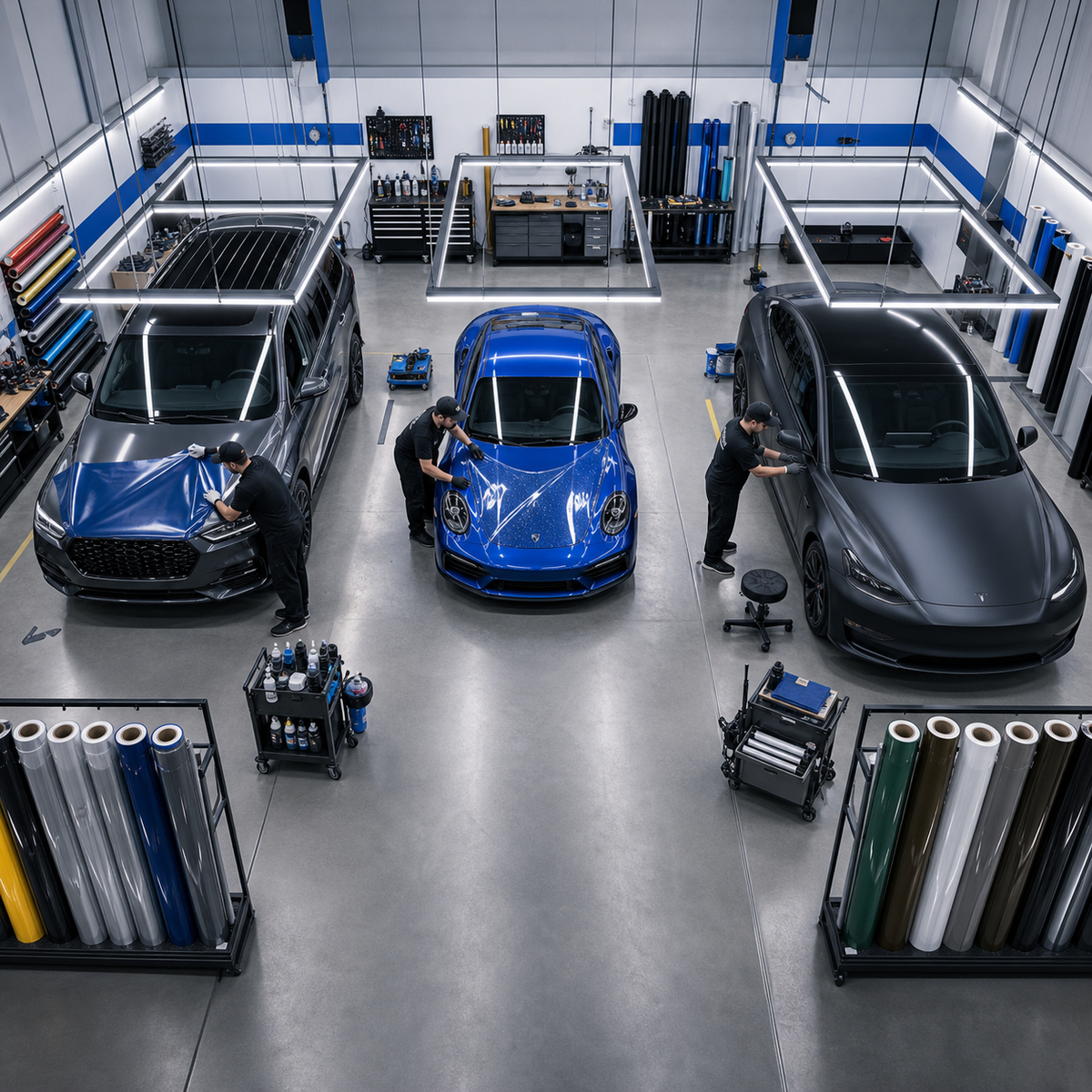
Film quality only shows if the install is right. A good installer cleans the glass properly, shrinks the film to fit curved rear windows, leaves no bubbles or dust specks, and cuts the top edge of door glass so it clears the seal when the window goes down. Poor edges are the most common reason a tint job comes back.
For shops that stock 35% as a core shade, it helps to carry the same shade in more than one film type so you can offer a basic and a ceramic price. Our own range does not have a film labeled 35%. The closest nominal shades are WA38 in the dyed WA series (1.5 mil, 5-year warranty) and WV30 or WU30 in the nano ceramic series (7-year warranty), so meter the result on the glass you are tinting. For the windshield, where most states allow only a light film, KU70 is our windshield-grade nano ceramic UV400 film: 4 mil, nominal 70% VLT, 7-year warranty. A separate windshield protection film, made for stone chips rather than heat, is launching soon, and you can ask us about it now.
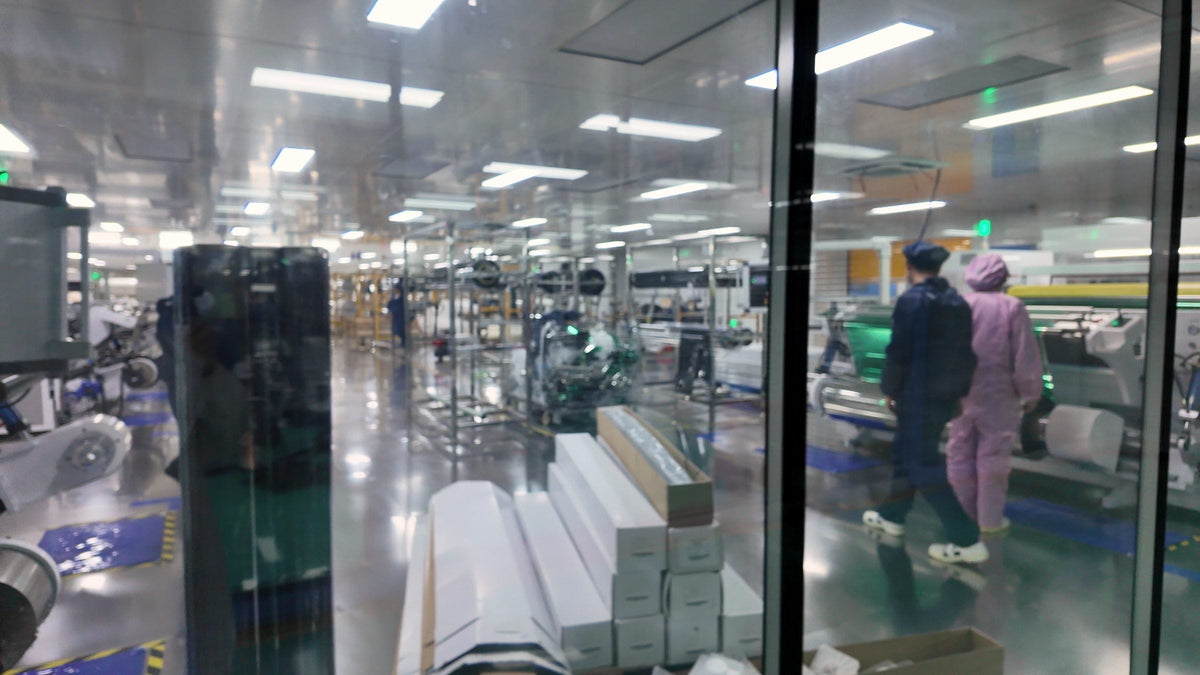
HIGHCOOL makes automotive window film by the roll in Shanghai and ships it from China, in 60 in x 98 ft (1.52 m x 30 m) rolls, with free A4 samples sent from US stock (you pay shipping). See the shades and film types on our window film page, then request a quote.
FAQ
Is 35% tint darker than factory glass?
Yes, 35% is darker than standard factory front glass, which usually lets through 70% of light or more. It is clearly visible from outside but still bright from inside. Some vehicles already have darker privacy glass at the rear, so check what is there before you add film.
Can I still see at night with 35% tint?
Yes, most drivers see well at night with 35% tint. It is noticeably lighter than 20% or 5%, which is why many people choose it for daily driving. Drivers with weaker night vision may prefer a lighter shade on the front windows.
Does 35% tint reduce heat?
Yes, but how much depends on the film type more than the shade. A 35% ceramic film blocks much more infrared heat than a 35% dyed film. Compare infrared or total solar energy rejection on the data sheet.

Share:
California Window Tint Laws: 2025 to 2026 Guide for Tint Shops
Window Tint Percentage Laws: US Regulations Explained