
Ceramic tint blocks far more infrared heat than regular tint at the same shade, keeps its color for longer, and stays clear on light shades, which is why most shops now recommend it for anyone who cares about a cooler cabin. Regular tint, usually a dyed film, darkens the glass and cuts glare at a lower price, but it does little against heat and tends to fade over the years. The right recommendation depends on what the customer wants the film to do.
What Regular (Normal) Window Tint Is
"Regular" or "normal" tint usually means a dyed film, sometimes a basic dyed and metal hybrid. The dye absorbs visible light, so the glass looks darker and glare drops. Because the dye absorbs rather than rejects most of the sun's energy, the glass itself gets hot and much of that heat still reaches the cabin.
Dyed film is cheap, easy to work and widely stocked. Its weak points are heat and age. Over years in the sun the dye breaks down, and a black film can turn purple or brownish. If you have seen a ten-year-old car with violet side windows, that was dyed tint.
What Ceramic Window Tint Is
Ceramic tint carries nano-sized ceramic particles in the film. Those particles target infrared, the part of sunlight you feel as heat, while letting a chosen amount of visible light through. That is how a light ceramic film can feel cooler than a dark dyed one.
Ceramic film contains no metal, so it does not interfere with phones, GPS, keyless entry or toll tags. Older metallized films could, which was one reason many shops moved to ceramic. For a comparison with another common middle option, see our post on carbon vs ceramic window tint.
Ceramic Tint vs Regular Tint: Heat, UV and Clarity
Heat is where the two split. A dyed film's heat performance depends mostly on how dark it is. A ceramic film's depends on its particle load, so two ceramic films at the same shade can still differ a lot. Ask the supplier for total solar energy rejected (TSER) and infrared rejection figures, and the test method behind them.
UV is closer than most marketing suggests. Most automotive window films, dyed ones included, block around 99% of UV when new. Ceramic's edge is that it keeps its color and performance as it ages.
On clarity, ceramic films keep good visibility at light shades, which matters for night driving and for states with strict front-window limits. Dark dyed films can look slightly hazy from the inside.
| Feature | Regular (dyed) tint | Ceramic tint |
|---|---|---|
| How it works | Dye absorbs visible light | Ceramic particles block infrared |
| Heat rejection | Low to moderate, rises with darkness | High, even on light shades |
| UV blocking when new | Around 99% on most films | Around 99% on most films |
| Color over time | Can fade or turn purple | Stable |
| Signal interference | None | None |
| Price | Lower | Higher |
Cost: Is Ceramic Tint Worth the Extra Money?
Ceramic costs the customer more up front, and for most drivers it is worth it. A hot climate, long hours behind the wheel, an EV whose range drops when the air conditioning works hard, or a plan to keep the car for years all point to ceramic. A dyed film that fades has to be stripped and redone, and that second job often costs more than the difference would have.
Regular tint still has a place. A customer on a tight budget who mainly wants privacy and a darker look, on a car they will not keep long, can be happy with dyed film. Tell them plainly what it will not do.
What Shops Should Recommend
Lead with the customer's main complaint. If it is heat, show ceramic, and let them feel the difference with a heat lamp and a sample in the showroom. If it is privacy on a budget, dyed film is honest value. Most shops end up selling two or three ceramic grades and one dyed line for price shoppers.
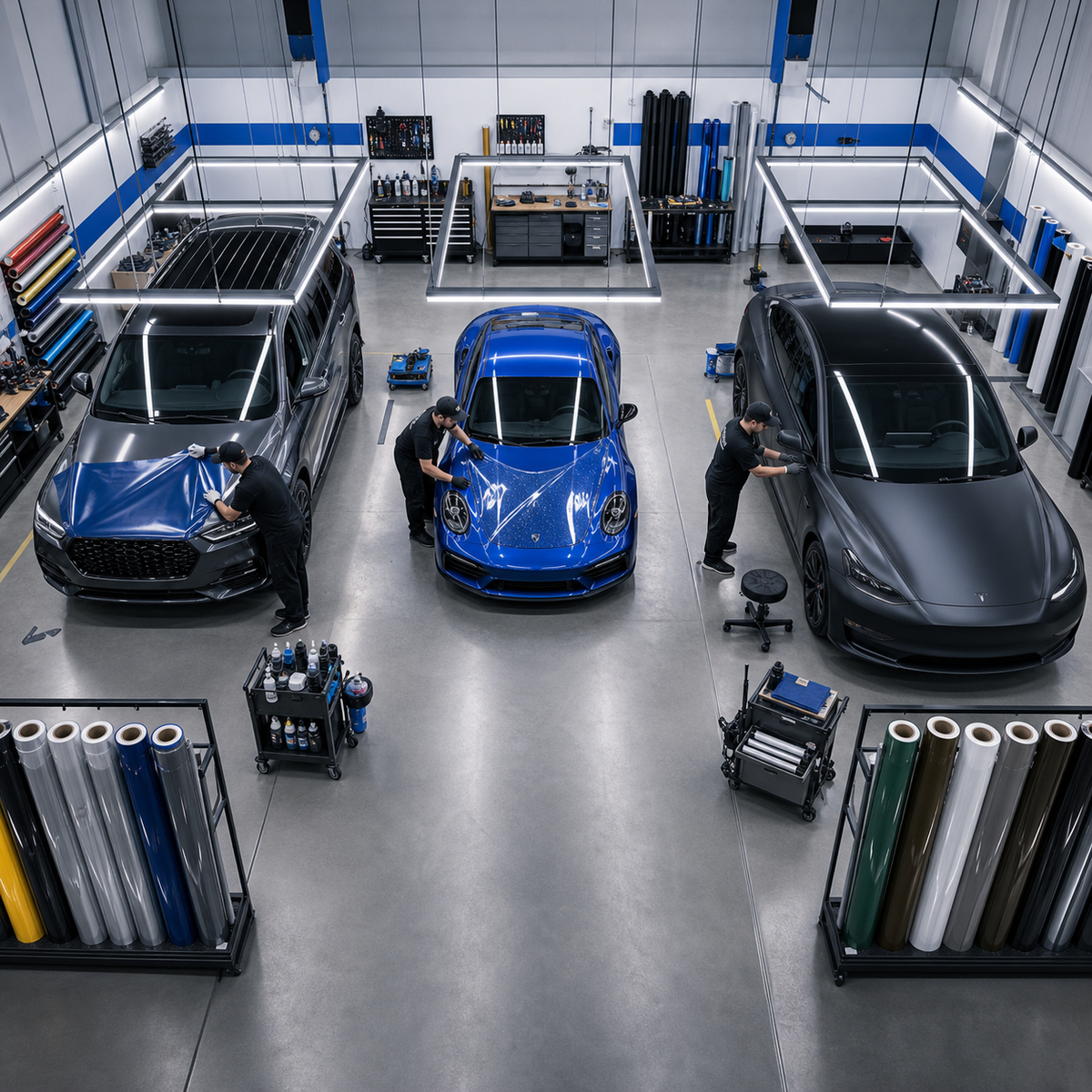
Ceramic film asks a little more of the installer. Good shrinking on curved rear glass and a clean bay matter, because a premium film with dust under it still earns a callback.
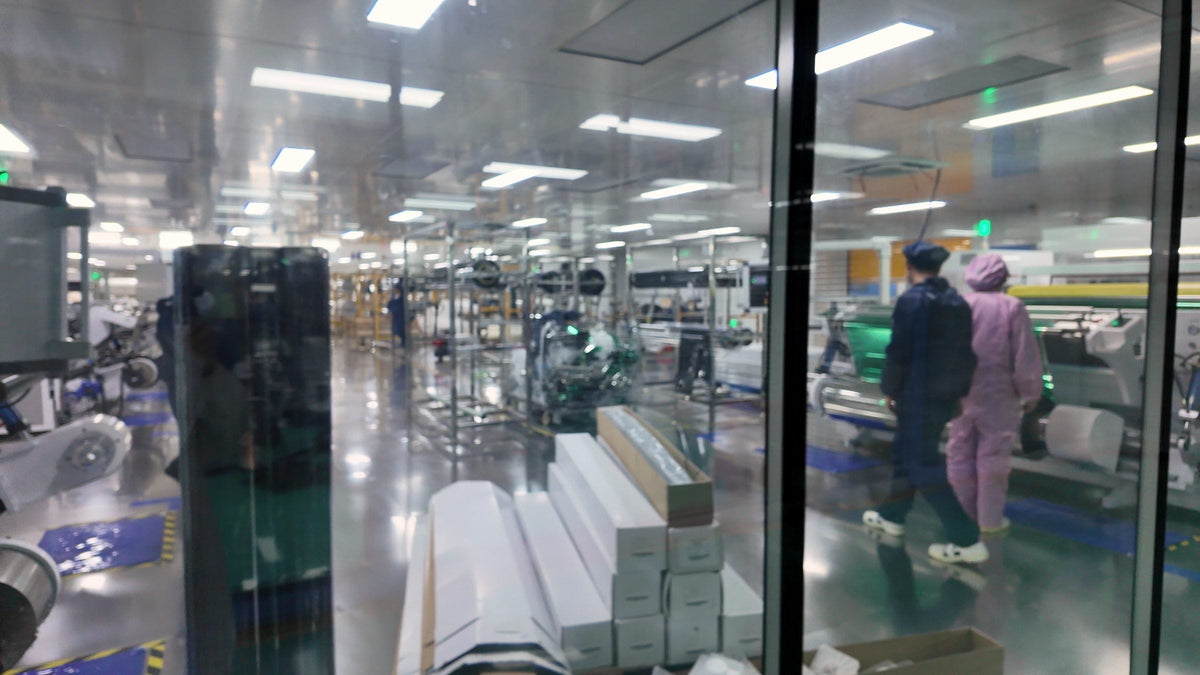
HIGHCOOL makes both kinds for shops and distributors and ships them from China. Our regular film is the WA dyed line, 1.5 mil with a 5-year warranty, in 6%, 18%, 39% and 73% VLT. Our ceramic lines are WV, 1.88 mil in 8%, 20%, 30% and 70%, and WU, which adds UV400 blocking, in 4%, 16%, 30% and 70%. Both ceramic lines carry a 7-year warranty, two years longer than the dyed line. VLT figures are nominal for the film alone. If you want to test our ceramic film against what you stock now, browse our Window Film collection and request free A4 samples or a quote through the contact page. For coatings on paint rather than glass, our PPF vs ceramic coating post explains the difference.
FAQ
What is the main difference between ceramic tint and regular tint?
Ceramic tint uses nano-ceramic particles to block infrared heat, while regular tint uses dye to darken the glass and cut glare. Ceramic keeps the cabin cooler at the same shade and holds its color longer. Regular tint costs less.
Is ceramic tint worth the extra cost?
For most drivers, yes, especially in hot climates, on long commutes or on cars kept for years. It rejects more heat and does not fade the way dyed film can. If the only goal is privacy on a short-term car, dyed film may be enough.
Does ceramic tint have to be dark to work?
No, ceramic tint can be quite light and still reject a lot of heat, because the particles target infrared rather than visible light. That makes it useful where front windows must stay light by law. Check your state's VLT limit before choosing a shade.

Share:
Carbon vs Ceramic Window Tint: Which Should Shops Stock?
Car Window Tint Pricing in 2025: A Guide for Tint Shops