
Tinting a whole car usually costs between $150 and $800 at a US shop, and most jobs land somewhere between $250 and $600. Dyed film sits at the bottom of that range, ceramic at the top, and a large SUV in ceramic can go past it. These are installed retail prices that shops publish, not film prices, and they move with the region, the car and the shop's labor rate.
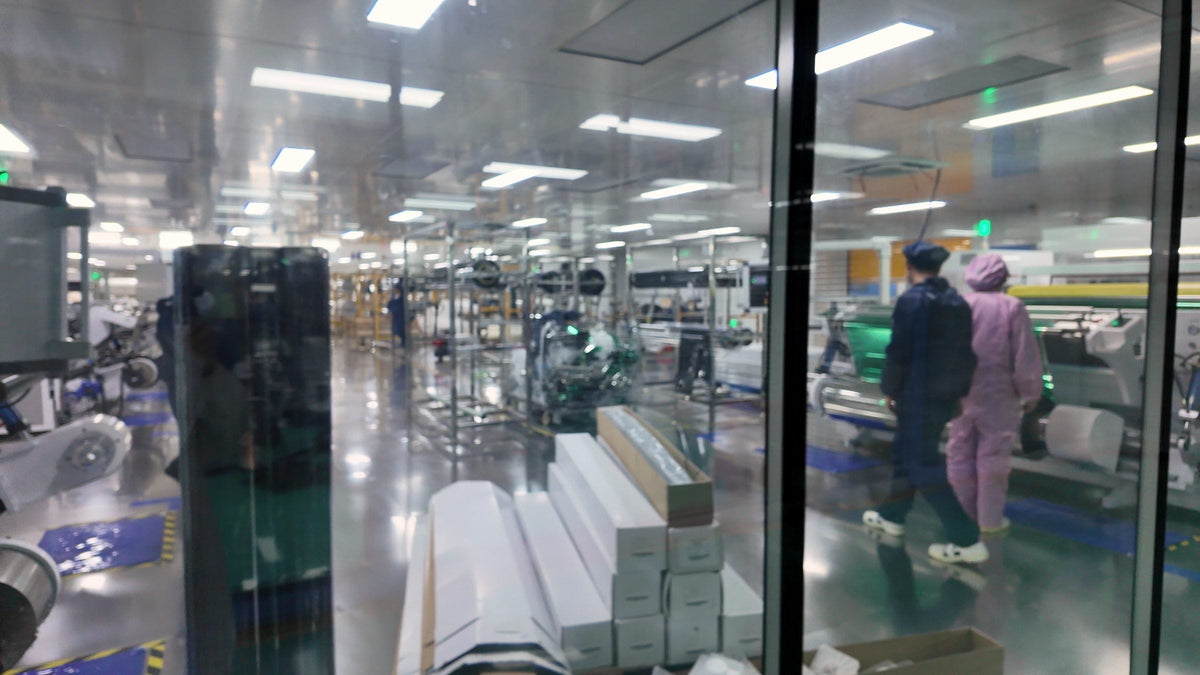
We make window film in Shanghai and sell it by the roll to tint shops. We do not install. So the figures below come from public shop price guides, and we say which one each time.
Car window tint prices by film and vehicle
One 2026 roundup of US shop prices, published by Cost Insight Hub, breaks it down like this. A New Jersey detailing shop, CDC Detailing, quotes a lower overall band of $150 to $800, with SUVs running 25 to 40 percent above sedans. Read the table as a rough map, not a quote.
| Vehicle | Dyed | Carbon | Ceramic |
|---|---|---|---|
| 2-door coupe / small car | $150 to $250 | $250 to $400 | $450 to $700 |
| 4-door sedan | $200 to $350 | $350 to $550 | $550 to $850 |
| SUV / crossover | $250 to $450 | $450 to $700 | $750 to $1,200 |
| Truck (crew cab) | $220 to $400 | $380 to $650 | $650 to $1,050 |
| Minivan / full-size van | $300 to $500 | $500 to $800 | $900 to $1,400 |
A standard quote covers the side windows and the rear glass. The windshield, a sunroof or panoramic roof, and removal of old film are priced as separate lines. Removal is slow, careful work, because the old adhesive has to come off the rear defroster lines without breaking them.
Window tint types and what they cost
Dyed film is the cheapest. It darkens the glass and cuts glare, but it does little against heat, and the dye fades. Over a few hot summers it can turn purple and bubble, which is the job every shop has redone for someone else.
Metallic film reflects heat better than dyed, but the metal layer can interfere with phone, GPS and key fob signals, so few shops push it on new cars. Hybrid film mixes dyed and metal layers and sits in the middle on price and performance.
Carbon film has no metal, holds its color, and has a matte, dark look. It rejects more heat than dyed film and costs less than ceramic. Many shops treat it as their default mid-tier.
Ceramic film uses nano-ceramic particles that absorb infrared heat without metal. It blocks heat even at light shades, does not touch signals, and keeps its color. The particles and the coating work behind them are what you pay for.
| Feature | Dyed | Carbon | Ceramic |
|---|---|---|---|
| Upfront cost | $ | $$ | $$$ |
| Heat rejection | Low | Medium | High |
| Signal interference | None | None | None |
| Look | Dark | Matte dark | Clear to neutral |
| Color stability | Fades, can turn purple | Holds well | Holds well |
Does tint percentage affect cost?
Barely. Darkness, measured as VLT (visible light transmission), changes the look and the legal question, not the price. The film technology sets the price, so a light 70% ceramic usually costs more than a 5% dyed film. State law decides how dark the front doors can go. If a car fails a tint check, the driver pays for removal and a second install, which is the most expensive tint job there is.
Ceramic tint cost: is the extra money worth it?
For a car the owner plans to keep, usually yes. The cabin heats up more slowly in the sun, the A/C works less, and the film does not discolor. Shop price guides typically put dyed film at a few years of life and carbon at longer, with ceramic lasting the longest. Our guide on how long window tinting lasts goes into what wears film out.
For a car being sold next year, dyed or carbon may be enough. Ask the shop which brand and line they install, how long the warranty runs, and who honors it if the shop closes. Those three answers tell you more than the shade chart.
For tint shops setting their prices
Your film cost is a small part of a full-car ticket. Labor, rent, and the cost of redoing a job are the big lines, and that is where cheap film hurts: a roll that saves a few dollars per car is not a saving if one car in twenty comes back. Price your ceramic tier around the warranty you can actually stand behind.
HIGHCOOL makes Window Film in our own 20,000 m² factory in Shanghai and sells it factory-direct to shops and distributors in more than 60 countries. The range has two tiers that line up with the tables above. WA is a dyed film at 1.5 mil with a 5-year warranty. WV and WU are nano ceramic films at about 2 mil with a 7-year warranty, and WU adds UV400 blocking. We do not make carbon or metallized film, so a shop that wants a carbon tier will need it from someone else. Window Film ships from China in 60 in x 98 ft (1.52 m x 30 m) rolls. A4 samples are free from our US sample stock, and you pay only the shipping. You can see the range on our automotive window tint page.
We will not print wholesale prices here, because they depend on your country, the shades you stock and how many rolls you move. Send us those three things through the contact page and we will quote within 12 business hours.
FAQ
How much does window tint cost for a car?
Most US shops charge between $150 and $800 to tint a whole car, and most jobs fall between $250 and $600. Dyed film on a small car is the cheapest; ceramic on a large SUV or van can pass $1,000.
Why is ceramic window tint more expensive?
Ceramic film uses nano-ceramic particles that absorb infrared heat without any metal in the film. That costs more to make than dyed or carbon film. In return it blocks more heat at light shades and does not fade or interfere with signals.
Does darker tint cost more?
No, the type of film sets the price, not the darkness. A light ceramic film usually costs more than a very dark dyed film. Darkness matters mainly for the tint law in your state.

Share:
Ceramic Tint vs Regular Tint: What Shops Should Recommend
PPF vs Ceramic Coating in Charlotte: Which Is Better?