
Professional window tinting takes about 1 to 4 hours for most cars, and 2 to 3 hours is a fair plan for a full sedan or small SUV. The low end is a couple of front doors on a simple car. The high end is a large SUV, a windshield strip or full windshield, or a car that arrives with old film that has to come off first.

How long does window tinting take on average?
A compact sedan with ordinary side glass can be finished in under two hours. An SUV with a large, curved back glass takes longer, and every extra piece of glass adds its own cleaning, cutting and inspection time. Removing old tint is the biggest wild card, because the condition of the old adhesive decides how long it takes.
When a shop quotes a time, it is usually quoting a clean car with no removal. Ask about removal up front if the car already has film.
Typical window tinting time by vehicle type
These ranges are common for an experienced installer working on a car with no old film to strip:
| Vehicle | Typical time |
|---|---|
| Compact sedan | About 1.5 to 2 hours |
| Mid-size sedan | Around 2 hours |
| SUV or crossover | 2.5 to 3 hours |
| Pickup with a rear slider | Up to 3 hours |
| Full windshield | Add 30 to 60 minutes |
| Old tint removal | Add 30 to 60 minutes or more |
The automobile window tinting process, step by step
- Check-in. The installer confirms the shade for each window, the local legal limit and anything unusual about the car, such as frameless doors or a defroster grid in poor shape.
- Prep. The inside of every window is scraped and cleaned. Dust, lint or a fingerprint trapped under the film will show as a bubble or speck once it dries, so good shops spend real time here.
- Cutting and shaping. The film is cut from a plotter pattern or by hand. Curved back glass is shrunk with a heat gun on the outside of the glass until the film lies flat against the curve.
- Application. The film goes on the inside of the glass over a slip solution, which lets the installer slide it into position before squeegeeing the water out.
- Trim and inspection. Edges are finished, the installer checks each window under light for dirt, fingers and lifted corners, and the car goes back to the customer.
Rushing any of these is how a shop ends up redoing a window two days later. Our post on tint installation mistakes that turn into callbacks covers the ones we hear about most.
What factors influence how long window tinting takes?
Number of windows
Two front doors to match the factory rear privacy glass is a quick job. A full car plus a windshield is several times the work. Each piece needs its own prep, cut and check.
Window shape and design
Steep back glass, panoramic rear windows, small fixed quarter windows and frameless doors all slow an installer down. Sports cars and many luxury cars fall into this group. The time goes into shrinking the film so it sits flat without stress lines.
Existing window tint
Removing old film often takes longer than putting the new film on. Old adhesive can bake onto the glass, especially under cheap film that has been in the sun for years. The installer has to soften it, scrape it and clean the residue without cutting the defroster lines on the back glass.
Installer experience and shop setup
An experienced installer is faster mostly because there are fewer redos. Some shops put two people on a large SUV to shorten the wait. Others keep one specialist on each car for consistency. A clean, well-lit bay with little dust also saves time on the cleanup.
After window tinting: curing time
The film is on when you drive away, but it is still drying. Water trapped between the film and glass has to evaporate before the adhesive reaches full strength. Installers usually ask customers to keep the windows rolled up and not clean the inside of the glass for the first few days. A light haze or small water pockets in that period are normal and clear on their own, faster in warm, dry weather and slower in cold or damp weather.
Warranty and choosing an installer
Most professional jobs come with two warranties: the film manufacturer's warranty against defects like bubbling, peeling or color change, and the shop's warranty on the work. Ask what each one covers and for how long. A shop that books jobs back to back with no time for prep may be fast, but you will spend that time later coming back for repairs.
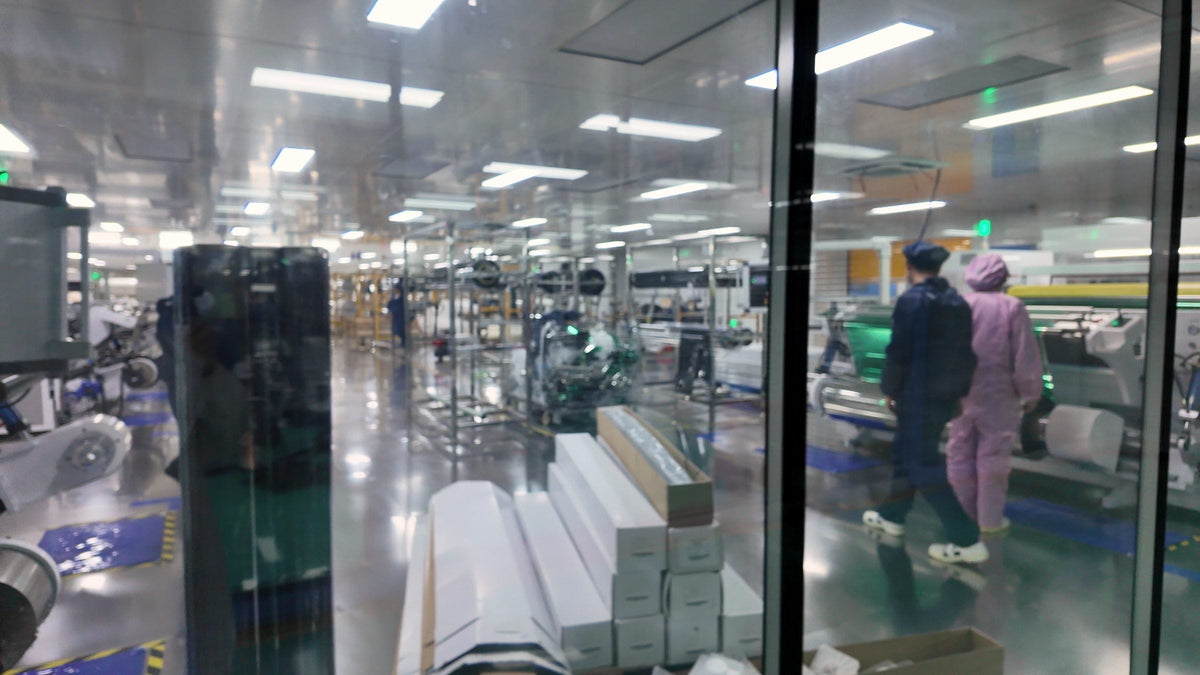
For shops, consistent film saves time on every car. Film that shrinks evenly, releases cleanly from the liner and does not crease easily makes the cutting and shaping steps faster. HIGHCOOL makes Window Film in our Shanghai factory and sells it in 1.52 m x 30 m rolls to tint shops and distributors. Side-window film runs 1.5 mil (WA dyed) to 2 mil (WV and WU nano ceramic). For full windshields we make KU70, a 4 mil windshield-grade film at 70% VLT, so budget your windshield shaping time for a thicker film. If install speed is a problem in your bay, request free A4 samples (you cover shipping) and try them on your hardest back glass, then compare rolls in our Window Film collection.
FAQ
How long does window tinting take for a car?
Most cars take between 1 and 4 hours, with 2 to 3 hours typical for a full sedan or small SUV. The number of windows, the shape of the glass and any old tint removal decide where a car lands in that range.
How much longer does it take if old tint must be removed?
Plan on 30 to 60 minutes more, and sometimes longer. Baked-on adhesive from old, cheap film is the slowest to clean off, and the installer has to work carefully around the defroster lines.
Can I roll my windows down right after tinting?
No. Keep them up for the first few days while the film dries and the adhesive sets. Your installer will give you the exact time based on the film and the weather.

Share:
PPF vs Ceramic Coating in Charlotte: Which Is Better?
How Long Does a Car Wrap Last? Vinyl Wrap Lifespan Guide