
How Long Does a Car Wrap Last? A Complete Guide to Vinyl Wrap Lifespan
Vinyl car wraps have become one of the most popular ways to change a vehicle’s appearance, protect factory paint, and even promote a business. But one of the first questions most car owners ask before committing is simple and practical: how long does a car wrap last?
The answer depends on more than just the vinyl itself. Climate, installation quality, maintenance habits, and even the type of wrap finish all play a major role in determining how many years a car wrap will actually hold up in real-world conditions.
This in-depth guide explains the average lifespan of a car wrap, what affects durability, how different vinyl finishes compare, how to maintain a wrap properly, and when it makes sense to replace or upgrade.

What Is a Vinyl Car Wrap?
A vinyl car wrap is a thin, adhesive-backed film applied over a vehicle’s painted surfaces. Instead of repainting the car, the wrap sits on top of the original paint, allowing owners to:
-
Change color or finish
-
Add custom graphics or branding
-
Protect factory paint from minor damage
-
Remove or replace the wrap later without permanent alteration
Modern vinyl wraps are engineered to stretch, conform to complex curves, and withstand daily driving conditions while maintaining color and finish quality.
How Long Does a Car Wrap Last on Average?
Under normal conditions, a professionally installed vinyl car wrap typically lasts 3 to 7 years. However, this is a broad range.
-
Entry-level wraps may last closer to 3 years
-
High-quality cast vinyl wraps often last 5–7 years
-
Specialty finishes may have shorter lifespans
The actual lifespan depends on how the vehicle is used and cared for, not just the material itself.
Why Wrap Your Car? Key Advantages Beyond Appearance
While aesthetics are the most obvious benefit, vinyl wraps offer several practical advantages:
-
Paint protection: Shields factory paint from UV exposure, light scratches, and environmental contaminants
-
Cost efficiency: Often more affordable than a full repaint
-
Reversibility: Can be removed without damaging original paint
-
Resale value: Preserves underlying paint condition
-
Customization: Offers finishes not possible with paint
For many owners, these benefits make wrapping a smart long-term choice rather than a purely cosmetic one.
Factors That Affect the Lifespan of a Car Wrap
The durability of a vinyl wrap is influenced by several interconnected factors. Understanding these helps set realistic expectations.
Climate and Environmental Conditions
Environment plays one of the biggest roles in wrap longevity.
-
Sun exposure: Prolonged UV exposure accelerates fading and adhesive breakdown
-
Heat: High temperatures can soften adhesive over time
-
Cold climates: Extreme cold can make vinyl brittle
-
Road salt and pollution: Can degrade edges and surfaces
Vehicles parked outdoors year-round typically see shorter wrap lifespans than garage-kept cars.
Installation Quality: Why It Matters More Than You Think
Even the best vinyl wrap can fail prematurely if installed poorly.
Professional installation ensures:
-
Proper surface preparation
-
Correct tension and alignment
-
Secure edges and seams
-
Reduced risk of lifting or bubbling
Improper installation is one of the most common reasons wraps fail early, regardless of material quality.
Types of Vinyl Wrap Finishes and Their Durability
Not all vinyl wraps are created equal. Different finishes behave differently over time.
Gloss Vinyl Wraps
Gloss wraps are among the most durable and longest-lasting options. Their smooth surface resists dirt buildup and is easier to clean.
Satin Vinyl Wraps
Satin wraps strike a balance between gloss and matte. They offer good durability but require careful maintenance to avoid uneven wear.
Matte Vinyl Wraps
Matte wraps are visually striking but more delicate. They tend to show stains, fingerprints, and wear more easily.
Textured Wraps
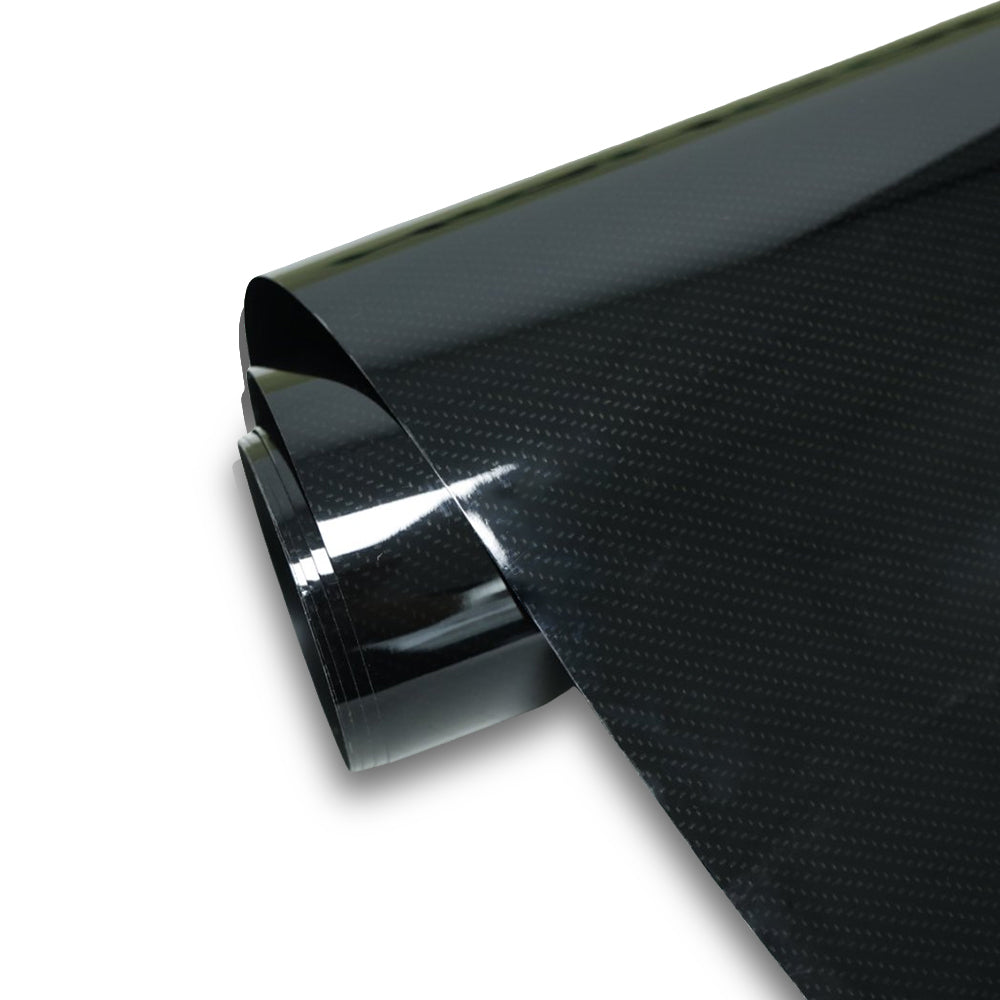
Carbon fiber or brushed metal finishes add depth but may trap dirt in texture patterns, reducing lifespan if not cleaned properly.
Fluorescent Wraps
Fluorescent colors fade faster due to high pigment sensitivity to UV exposure. These wraps often have the shortest lifespan.
Chrome Wraps
Chrome vinyl offers dramatic appearance but is generally the least durable and most maintenance-sensitive option.
Vinyl Wrap Lifespan by Material Type (Comparison Table)
| Vinyl Wrap Type | Average Lifespan | Durability Level | Maintenance Requirement |
|---|---|---|---|
| Gloss Vinyl | 5–7 years | High | Low |
| Satin Vinyl | 4–6 years | Medium–High | Medium |
| Matte Vinyl | 3–5 years | Medium | High |
| Textured Vinyl | 3–5 years | Medium | Medium–High |
| Fluorescent Vinyl | 1–3 years | Low | High |
| Chrome Vinyl | 1–3 years | Low | Very High |
What Shortens Your Vehicle Wrap’s Life?
Several habits and conditions can significantly reduce wrap lifespan:
-
Automatic car washes with stiff brushes
-
Harsh chemical cleaners
-
Prolonged exposure to direct sunlight
-
Pressure washing too close to edges
-
Neglecting regular cleaning
Avoiding these factors can add years to your wrap’s life.
How to Maintain Your Car Wrap for Optimal Longevity
Proper maintenance is essential if you want your wrap to last.
-
Wash by hand whenever possible
-
Use mild, wrap-safe detergents
-
Rinse thoroughly to remove contaminants
-
Dry with a microfiber towel
Regular, gentle cleaning prevents buildup that can degrade vinyl over time.
Hand Wash vs. Pressure Wash: Which Is Better?
Hand washing is always the safest option. Pressure washing can be used cautiously if:
-
The nozzle is kept at a safe distance
-
Pressure is moderate
-
Spray is not directed at edges or seams
Improper pressure washing is a common cause of wrap lifting.
Signs of Wear and Tear on a Car Wrap
Over time, even well-maintained wraps show signs of aging:
-
Fading or discoloration
-
Cracking or brittleness
-
Lifting edges or seams
-
Surface scratches or staining
Recognizing these signs early can help you decide when maintenance or replacement is needed.
When to Replace Your Car Wrap
It may be time to replace your wrap if:
-
Large sections begin peeling
-
Color consistency is noticeably uneven
-
The wrap no longer protects the paint effectively
Replacing a wrap at the right time helps preserve the vehicle’s original finish.
The Cost of Replacing a Car Wrap
Replacement costs vary based on:
-
Vehicle size
-
Wrap material and finish
-
Design complexity
-
Labor rates
While replacing a wrap is an investment, it is often still more affordable than repainting damaged paint.
Is a Vehicle Wrap Worth the Investment?
For many drivers, the answer is yes—especially when factoring in paint protection, customization, and resale value.
A wrap that lasts five or more years and preserves factory paint can offer excellent long-term value, particularly for leased vehicles, performance cars, or branded fleets.
Upgrade Consideration: Vinyl Wrap vs. Paint Protection Film
Some owners eventually consider upgrading high-impact areas to paint protection film (PPF) while keeping vinyl wraps for aesthetics. This hybrid approach combines style with enhanced protection where it matters most.
Conclusion: How to Maximize the Lifespan of Your Car Wrap
So, how long does a car wrap last? In most cases, 3 to 7 years, depending on material choice, installation quality, environment, and care.
Choosing the right vinyl finish, working with experienced installers, and following proper maintenance practices are the keys to getting the most value from your wrap. As vinyl technology continues to improve, some manufacturers focus on better color stability, adhesive consistency, and long-term durability. Developments seen in brands like HIGHCOOL reflect this direction—aiming to balance aesthetics with real-world lifespan expectations for modern vehicles.
FAQ
Q1: How long does a vinyl car wrap last?
Most vinyl car wraps last between 3 and 7 years, depending on material quality, environment, and maintenance.
Q2: Which vinyl wrap finish lasts the longest?
Gloss vinyl wraps generally last the longest due to their smooth surface and easier maintenance.
Q3: Does climate affect car wrap lifespan?
Yes. Sun exposure, heat, cold, and pollution can all shorten a wrap’s lifespan.
Q4: Can I pressure wash a wrapped car?
Yes, but only with caution. Hand washing is recommended to avoid damaging edges.
Q5: Is a car wrap worth it compared to repainting?
For many owners, yes. Wraps are reversible, protect paint, and are often more cost-effective than repainting.


Share:
How Long Does Window Tinting Take? Full Installation Guide
When Can I Roll Down My Windows After Tint? A Complete Drying-Time Guide