
Wait at least 3 to 5 days before you roll down your windows after tint, and closer to a week if the weather is cold or damp. Your installer's number beats any guide, because they know the film and the conditions it went on in.
The film looks finished when you pick up the car. It isn't. There is still water trapped between the film and the glass, and the adhesive has not fully gripped yet. The top edge of a door window sits right against the rubber seal, and when the glass drops into the door, that seal drags along the edge. A soft edge lifts, folds or picks up grit, and then the window has to be done again.

How window tint drying and curing works
Installers spray the glass with a slip solution, usually water with a little mild soap, so the film can be slid into position. Then they squeegee most of that water out. What is left has to work its way out through the film over the next few days, and as it goes, the adhesive bonds to the glass. Drying is the water leaving. Curing is the glue reaching full strength. You need both before the edge can take a seal rubbing over it.
Automotive window tint is applied to the inside of the glass, so rain on the outside does not slow it down. Heat and air moisture inside the cabin do.
Factors that affect window tint drying time
Temperature matters most. Warm days push the water out faster, and a cold week can stretch the wait well past the usual 3 to 5 days. High humidity slows evaporation, while a dry climate speeds it up. Parking in mild sun helps. Leaving the car for hours in extreme heat can make some areas dry faster than others. Thick or strongly curved glass may also take a bit longer.
Film type plays a part too. Dyed films tend to clear quickly. Carbon sits in the middle. Ceramic and nano-ceramic films are often built with more layers, and some installers give them an extra day or two. Shade is not a reliable guide: a 5% film does not automatically take longer than a 35% film of the same construction.
A rough timeline that many installers use looks like this. Treat it as a starting point and follow the shop's own aftercare sheet.
| Conditions | Typical wait before rolling windows down |
|---|---|
| Hot, dry summer weather | 2 to 3 days |
| Mild weather | 3 to 5 days |
| Cold, wet or humid weather | 5 to 7 days, sometimes longer |
What happens if you roll down windows too early
The usual damage is a peeled or lifted top edge. You may also get a crease where the seal pushed the film over, dust stuck under the edge, or a sheet that has shifted down so there is a gap at the top. None of this fixes itself. Many shop warranties also exclude damage from rolling windows down during the cure, so the redo may be on you.
Rolling down one window at a time does not help. Any downward travel puts the seal on the edge.
How to know when it's safe to roll the windows down
Some haze, a milky look or small water pockets in the first days are normal. They fade as the water leaves. Once the film looks clear across the whole window and you have passed the time your installer gave you, you are fine to use the windows. If a pocket is still there after two or three weeks, or you see a bubble with something in it, take the car back rather than pressing on it yourself.
Best practices during the tint drying process
- Leave the windows up. Some shops put tape over the switches as a reminder.
- Use the A/C when the car is hot instead of opening a window.
- Do not press, scrape or pick at the film or its edges.
- Park indoors or in shade when you can, and avoid leaving the car in very hot sun for long stretches.
- Keep the inside of the glass alone for the first 7 days. No cleaning.
How to clean newly installed window tint
After the first week, clean the inside with an ammonia-free glass cleaner and a soft microfiber cloth, using light pressure. Ammonia and abrasive pads can wear the film's surface over time. Do the edges last and wipe toward the center so you never catch the edge with the cloth.
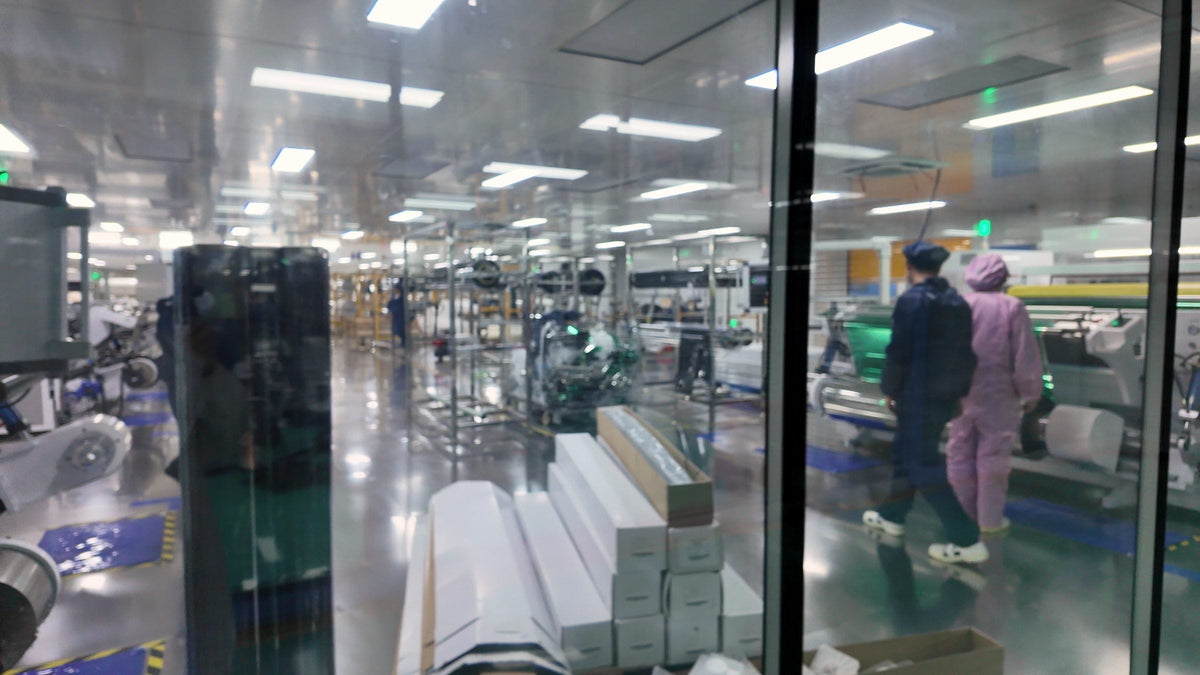
For tint shops, a clear aftercare card handed over with the keys prevents most of these callbacks. If you are setting up or restocking a window film line, HIGHCOOL supplies automotive window film by the roll from our factory in Shanghai, and free A4 samples ship from US stock (you cover shipping). Ask us for samples and a quote.
FAQ
When can I roll down my windows after tint?
Most installers say 3 to 5 days, and up to 7 days or more in cold or humid weather. Always go by the time your installer gives you, since they know the film used.
Is haze or bubbling normal after tint installation?
Yes, light haze and small water pockets are normal in the first days. They clear as the trapped water evaporates. If they are still there after two or three weeks, have the shop look at it.
Can I clean my windows right after tinting?
No, leave the inside of the glass alone for at least 7 days. After that, use an ammonia-free cleaner and a soft microfiber cloth with light pressure.

Share:
How Long Does a Car Wrap Last? Vinyl Wrap Lifespan Guide
Window Tint Inside or Outside? Why Tint Goes on the Inside