
A clear bra is worth it on a new car when it goes on early, before the first highway trip leaves chips in the bumper and hood. For a detail or tint shop, that makes delivery week the easiest time to sell paint protection film (PPF): the paint is still perfect, and the owner has just paid for it.
The owner's worry is simple. The first rock chip on a new car feels worse than the tenth on an old one. Your job at the counter is to explain what the film does, what coverage to choose and what it costs, without overselling it.
What a clear bra is
"Clear bra" is the older name for transparent paint protection film. It is a urethane film applied to painted panels, most often the front end, where stones and bugs hit hardest. A good film is close to invisible once installed, and the factory paint underneath stays as it left the plant.
Most modern PPF has four layers. A self-healing topcoat sits on top of a flexible TPU base, which carries a pressure-sensitive adhesive and a release liner that comes off during installation. The TPU absorbs the energy of a small stone, and the topcoat lets light swirl marks fade with heat from the sun or warm water. A deep gouge through the film will not heal, and owners should hear that before they buy, not after.
Coverage options to offer at delivery
Most shops sell three packages. Partial front covers the bumper, the leading edge of the hood and fenders, and the mirrors. Full front adds the full hood and full fenders, often with headlights. Full vehicle covers every painted panel and is the usual choice for high-end and performance cars that will be kept for years.
Partial front leaves a visible line across the hood where the film stops. Some owners never notice it. Others look at nothing else, so show a finished car or a photo before they choose. On a highway commuter, full front is usually the package that makes sense, because the hood takes most of the chips.
What drives the price
Price depends on coverage, vehicle size, how complex the body lines are, the film grade and the installer's skill. A large SUV or a sports car with deep bumper vents takes more film and more hours than a compact sedan. Full vehicle coverage costs several times a partial front package, because it is several times the film and labor.
We are not printing a price table here, because retail PPF prices vary too much by region and shop. Build your packages from your own film cost per car and your labor hours, and keep the same three tiers on every quote so the owner can compare them.
Benefits and drawbacks to tell the owner
The benefits are easy to picture: fewer chips and scratches on the front end, factory paint that still looks right at trade-in, and no touch-up or repaint on the hood after a few years of highway driving. Light wash swirls on the film can disappear on a warm day.
The drawbacks are real too. The upfront cost is high. Edges can show on a poor install. Low-grade film can yellow or lift, and film that has been on for many years costs labor to remove. Most of these problems come from the film quality or the install, so they are the shop's problem to prevent.
Installation counts as much as the film
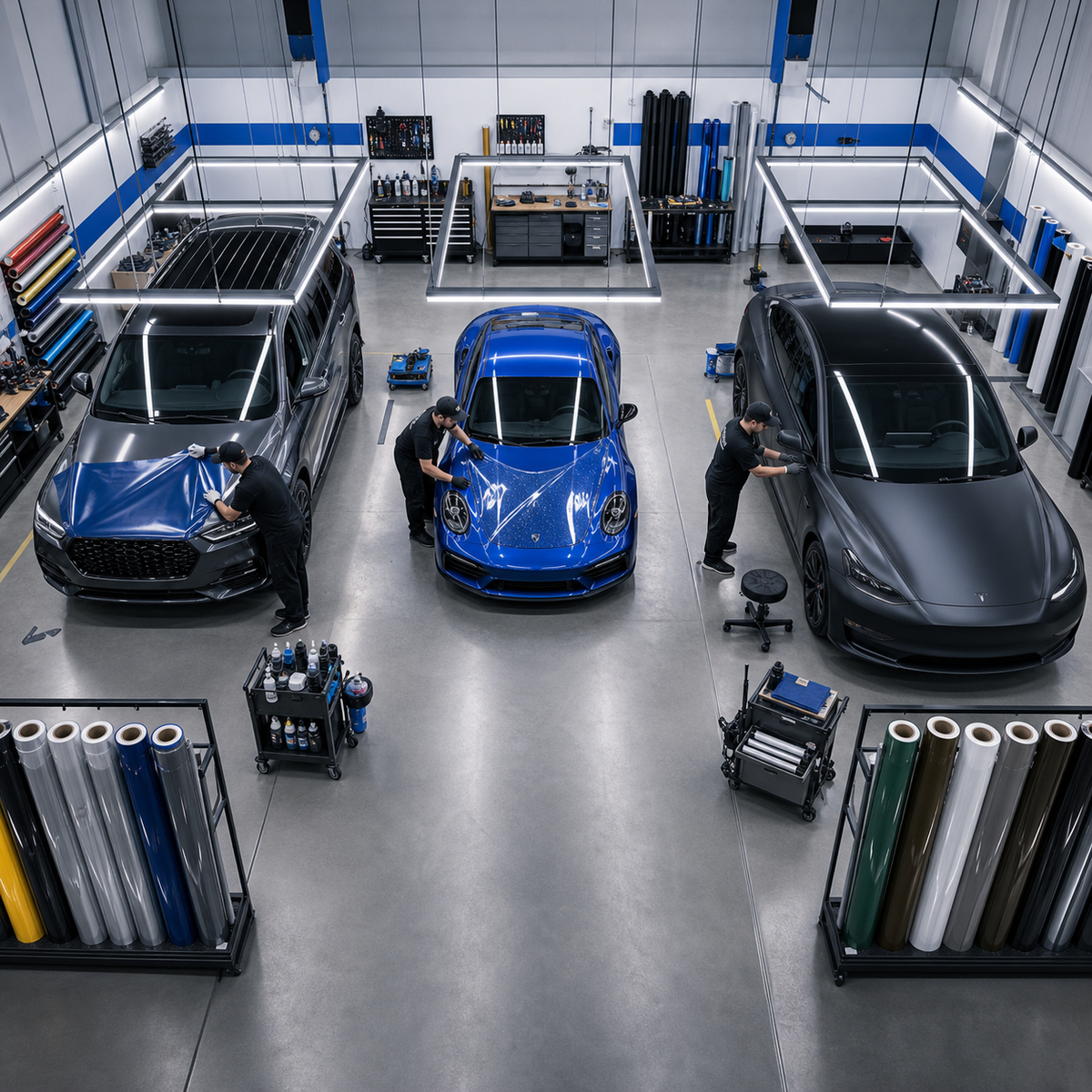
A clean bay, a decontaminated surface, wrapped or well-tucked edges and no trapped dust are what make a clear bra last. A poor install shows up as lifting edges, dirt lines along the edges and bubbles that never settle. When that happens, the owner does not blame the film maker. They come back to the shop that installed it.
What to check in the film you stock
For a shop, the brand on the box matters less than how the film behaves on the car and whether the next roll matches the last one. Ask your supplier which TPU and adhesive a grade is built on, what the warranty covers and how a claim is traced back to a roll.
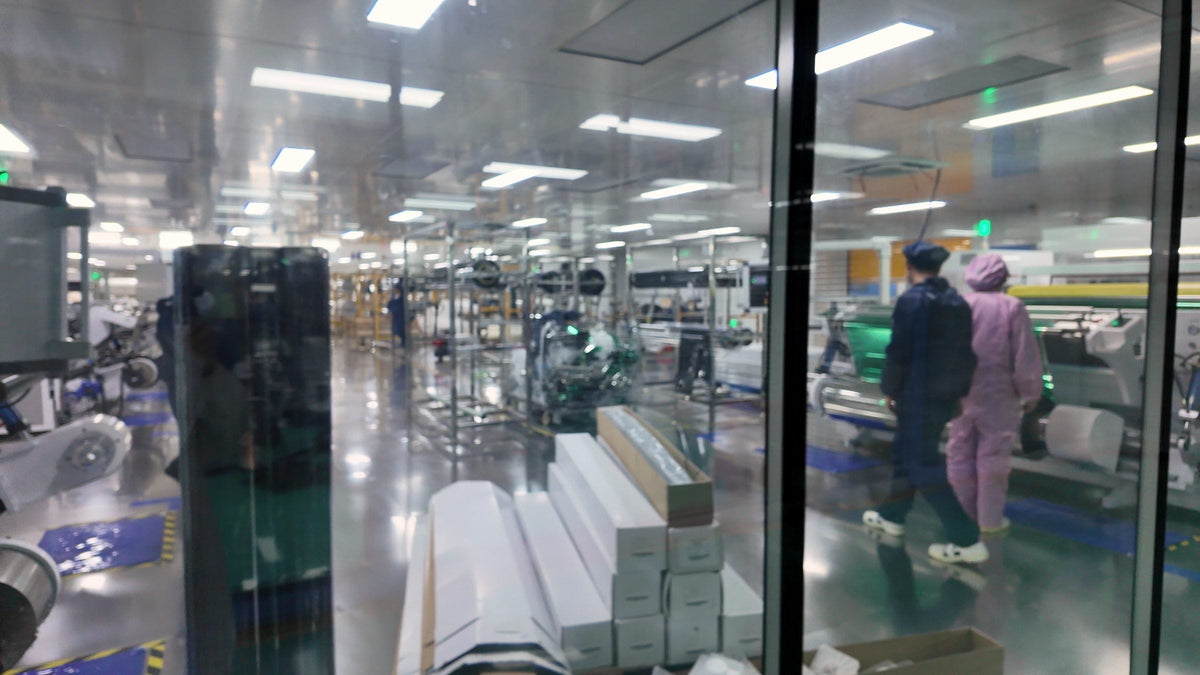
HIGHCOOL makes PPF at our own factory in Shanghai. Depending on the grade, the TPU comes from Lubrizol, BASF, Covestro or Wanhua. The Lubrizol, BASF and Covestro grades use Ashland adhesive. The Wanhua grade uses a domestic adhesive. Warranties run 5 to 10 years by grade, and every roll carries its own serial code for warranty tracking. Free A4 samples ship from our US sample stock; you pay the shipping.
If you want a film to sell at new-car delivery, browse our Paint Protection Film (PPF) range and ask for samples of the grades that fit your price points.
FAQ
Is a clear bra worth it on a new car?
Yes, for most owners who drive on highways or plan to keep the car for years. It works best when installed before the paint picks up its first chips. It is a protective layer, so deep impacts can still damage the film.
How long does a clear bra last?
A good PPF lasts for years with normal care, and the warranty term depends on the grade. HIGHCOOL PPF warranties run 5 to 10 years by grade. Low-grade film and poor installs fail sooner, usually by yellowing or lifting at the edges.
Does a clear bra damage the paint when it is removed?
No, not on healthy factory paint when the film is removed correctly with heat and patience. Problems usually come from resprayed panels or paint that was already failing. Shops should note any repaint before installing film.

Share:
Do Tinted Windows Block UV Rays?
Bulk PPF Rolls vs Pre-Cut Kits: Costs and Shop Workflow