
Yes, quality window tint blocks UV rays. The Skin Cancer Foundation says applied window film can block more than 99% of UVA and UVB, and that protection comes from the film's UV absorbers, not from how dark it is.
That matters because car glass on its own leaves a gap. Most drivers assume the glass protects them. The windshield mostly does. The side windows, where the driver's arm and face sit for hours, often do not.

UVA vs UVB inside a car
Sunlight carries two kinds of UV that matter here. UVB causes sunburn, and ordinary glass blocks most of it. UVA has a longer wavelength, reaches deeper into the skin, and is linked to skin aging and skin cancer. It also fades dashboards, seats and trim.
UVA is the one that gets through car glass. That is why a driver can come home from a long summer trip without a burn and still have taken a real dose of sun on one side.
Can UV rays penetrate car windows?
Yes, and how much depends on the window. The Skin Cancer Foundation explains that windshields are laminated glass and block some UVA, while side, rear and sunroof windows are usually tempered glass, which does not block UVA well.
A 2016 study in JAMA Ophthalmology measured 29 cars from 15 manufacturers, model years 1990 to 2014. As reported in the study's press release:
| Glass | Average UVA blocked |
|---|---|
| Front windshield | 96% |
| Side windows | 71%, and highly variable from car to car |
Only 4 of the 29 cars had side windows that blocked more than 90% of UVA. The Skin Cancer Foundation also notes that skin cancers in the US are more common on the left side of the body, likely because drivers sit next to the window.
How window tint blocks UV
UV-blocking window film carries UV absorbers in its layers and adhesive. They take in UV energy before it reaches the cabin and let most visible light pass. Because this works separately from the dye or ceramic that controls visible light, a nearly clear film can block as much UV as a dark one.
So darker does not mean more UV protection. A cheap dark film with weak UV absorbers can let more UVA through than a good light film. The number to check is the UV rejection on the spec sheet, not the shade percentage.
Which film types work best
Dyed, carbon and ceramic films can all be made with strong UV blocking. Where they differ is in heat rejection and how long they hold up. Dyed films are the cheapest and tend to fade or change color in the sun over the years. Carbon films hold their color better and reject more heat. Ceramic films reject the most infrared heat for their shade, stay optically clear, and contain no metal, so they do not interfere with phone or GPS signals.
For a driver whose main concern is UV, a light ceramic automotive window tint is a good choice. It blocks UV, cuts heat, and can stay legal on front windows in strict states.
Is UV-blocking tint legal?
Tint laws regulate visible light transmission, not UV. A clear or light UV-blocking film is legal in most places as long as the finished window meets the state's VLT limit. Strict states such as New York require front side windows to let at least 70% of light through, which only light film can meet. Our window tint law guide covers the details.
Some people with medical conditions that make them sensitive to UV can apply for an exemption that allows darker film. Rules and forms vary by state.
Other ways to cut UV while driving
Film is a strong layer of protection but not the only one. Broad-spectrum sunscreen on the face, neck and left arm helps on long drives. UV-blocking sunglasses protect the eyes, and a windshield sunshade keeps the dash from baking while parked. These work best together with film.
For tint shops, and for a factory like HIGHCOOL that supplies them, UV is an easy, honest pitch. Rideshare drivers, delivery drivers and anyone who commutes an hour a day will listen. Keep a UV meter and a film sample on the counter, and let the customer see the reading drop.
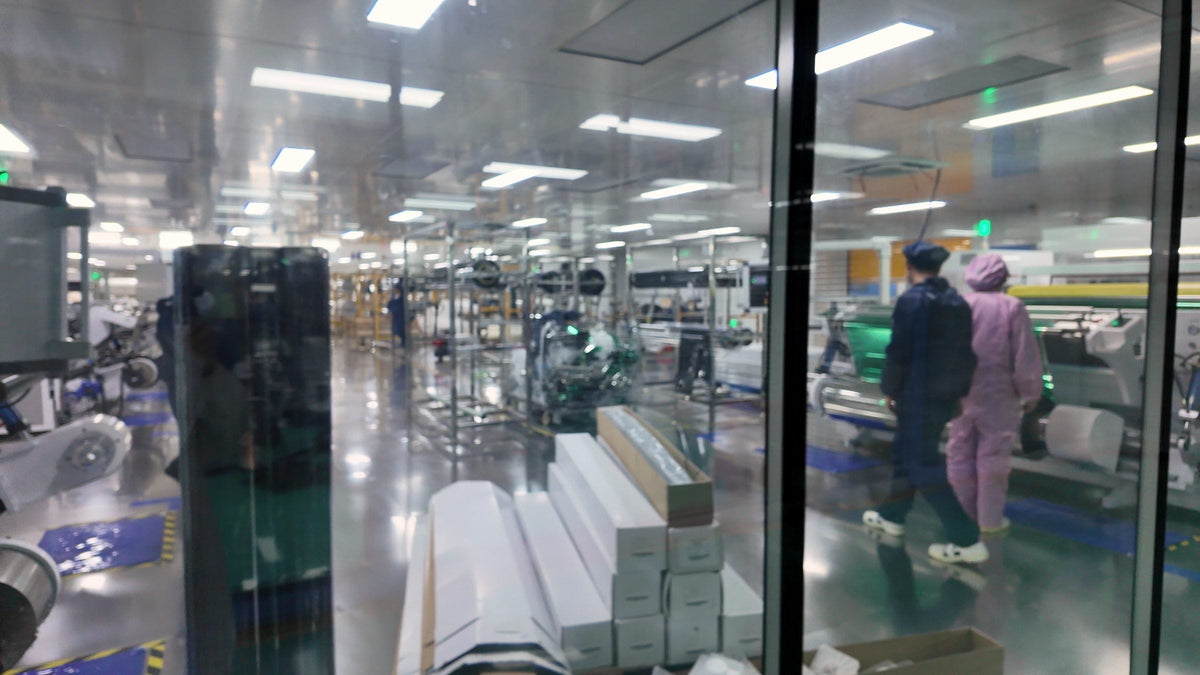
HIGHCOOL makes Window Film in 60 in x 98 ft (1.52 m x 30 m) rolls in our own Shanghai factory and ships it from China. For UV-first customers, the WU series is a nano ceramic UV400 film in nominal 4%, 16%, 30% and 70% VLT, with a 7-year warranty. KU70 is a 4 mil windshield-grade nano ceramic UV400 film at 70% VLT, for states that allow film on the windshield. On strict-state front glass, meter the 70% grades on the actual car, because film and factory glass together still have to meet the limit.
To test our UV rejection on your own meter, ask for free A4 samples from our US sample stock (you pay shipping) through our contact page.
FAQ
Do tinted windows block UV rays?
Yes, quality window film can block more than 99% of UVA and UVB, according to the Skin Cancer Foundation. The protection comes from UV absorbers in the film, not its darkness. Check the UV rejection figure on the spec sheet.
Do standard car windows block UV light?
Partly. Windshields block most UVA, averaging 96% in a 2016 study of 29 cars, but side windows averaged only 71% and varied widely. Ordinary glass blocks most UVB.
Does darker tint block more UV?
No, darkness and UV blocking are separate properties. A light film with good UV absorbers can block as much UV as a dark one. Light film also stays legal on front windows in strict states.

Share:
Window Tint Inside or Outside? Why Tint Goes on the Inside
Clear Bra for New Cars: Selling PPF at Delivery