
For most drivers in Charlotte, Huntersville and around Lake Norman, PPF is the better choice for paint that sees highway miles, because it physically stops rock chips and ceramic coating does not. Ceramic coating is the better choice when the goal is gloss and easy washing on a car that is mostly garage-kept. Plenty of owners use both: film on the front end, coating on the rest.

What Charlotte driving does to paint
The region mixes interstate traffic with suburban and lakeside roads. A daily run on I-77 throws gravel and grit at the bumper and hood. Roads near the lake have loose stone on the shoulders. Summer sun is strong, pollen and tree sap land on everything in spring, and storms roll in fast. Even a careful driver ends up with chips on the leading edges, fine scratches from washing, and etching where bugs and sap sat too long.
That matters most for long-distance commuters, owners of new cars who want to keep the factory paint, performance cars with soft clear coat, and leased cars where paint condition affects what you pay at turn-in.
What is Paint Protection Film (PPF)?
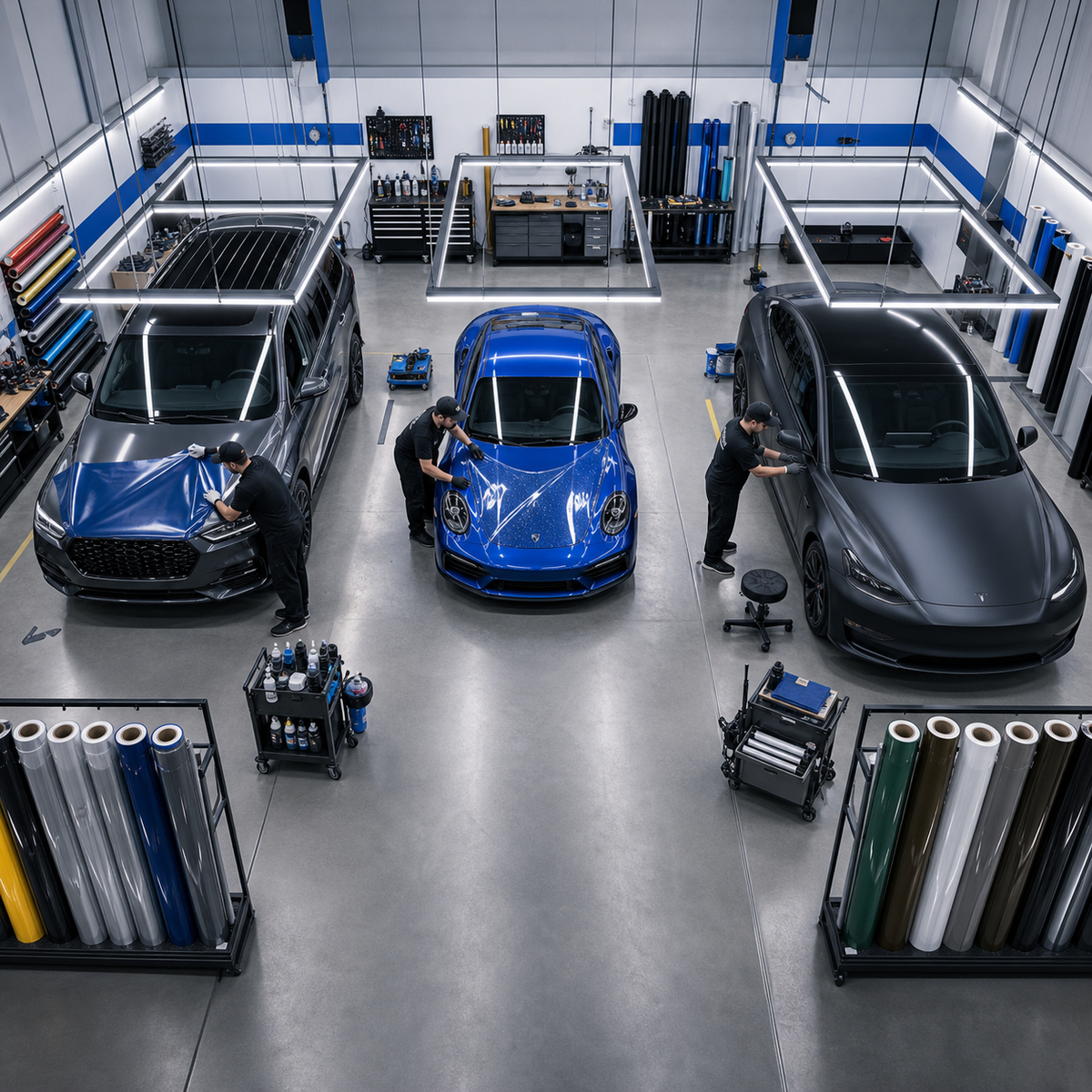
Paint Protection Film is a clear thermoplastic polyurethane (TPU) film applied over the painted panels. It is a sacrificial layer: debris, scratches and contaminants hit the film before they reach the paint. Wax and coatings change the surface. PPF puts a physical layer of plastic between the road and the clear coat.

How paint protection film works
A typical film has three layers. On top is a clear, self-healing topcoat. In the middle is the flexible TPU that absorbs impacts. Underneath is a pressure-sensitive adhesive meant to come off cleanly years later. Light swirl marks and wash scratches in the topcoat level out with heat from the sun or warm water. That is why film goes first on the bumper, hood, mirrors and rocker panels, where impacts happen.
Benefits of paint protection film
Protection from chemicals and staining
Fuel drips, bug splatter, bird droppings and tree sap can etch clear coat if they sit in the sun. The film takes that hit, and a stain on film is a smaller problem than a stain in the paint.
Self-healing for everyday wear
Light scratches from washing and brushing past the car fade on their own with heat, so the paint keeps looking newer for longer. Deep cuts through the film do not heal.
Resistance to heat and UV
North Carolina sun speeds up oxidation and fading. A good film blocks UV and is built not to yellow, so the paint under it stays protected from both the sun and the road.
How to choose the right PPF coverage
Coverage usually comes in three levels. Partial front covers the bumper, the leading part of the hood and the mirrors. Full front adds the whole hood and both fenders. Full vehicle covers every painted panel. Drivers who spend a lot of time on the interstate, or who plan to keep the car for years, usually pick full front or full vehicle.
What to look for in a high-quality paint protection film
Ask the installer about self-healing, UV and stain resistance, optical clarity (low orange peel, so the film does not look like a textured layer over the paint), and an adhesive that releases cleanly. A cheap film can look fine on day one and turn yellow or leave glue on the paint later.
How long does high-quality paint protection film last?
A good film that is professionally installed and properly washed usually lasts 5 to 10 years. Exposure, mileage and which panels are covered all shift that number. A daily commuter's bumper film will show its age before the roof film on a weekend car.
Are warranties available for PPF installations?
Most reputable films carry a manufacturer warranty against defects such as yellowing, cracking, peeling and adhesive failure. Length varies by film grade and by installer. A warranty only helps if the install is done properly, so pick the shop as carefully as the film.
Can paint protection film be removed without damaging paint?
Yes. Film that was installed and removed correctly does not harm factory paint, and the paint underneath is usually in better shape than unprotected panels. After many years on the car, have a professional remove it, because the adhesive comes off more cleanly with heat and patience.
New factory paint vs freshly refinished paint: does PPF work on both?
PPF works on both. Factory paint can be wrapped as soon as the car is delivered. Fresh body-shop paint has to cure fully first, or the film can trap solvents and lift the new finish. Ask the body shop how long its paint needs, and wait at least that long.
What is ceramic coating?
Ceramic coating is a liquid applied to the paint that bonds to the clear coat and cures into a hard, thin layer. It does not stop rock chips. What it adds is gloss and depth, strong water beading, and some resistance to light staining. Owners choose it mostly because the car is easier to wash and looks wet after it is clean.
PPF vs ceramic coating: what's the difference?
PPF is physical protection. Ceramic coating is surface protection. One stops a stone from reaching the paint. The other makes dirt and water slide off.
PPF vs ceramic coating comparison table
| Feature | Paint Protection Film (PPF) | Ceramic Coating |
|---|---|---|
| Impact protection | Yes | No |
| Scratch resistance | High (self-healing topcoat) | Low |
| UV protection | Strong | Some |
| Chemical resistance | High | Moderate |
| Thickness | Thick enough to absorb impacts | Very thin layer |
| Typical lifespan | 5 to 10 years | Shorter, depends on product and upkeep |
| Best use | Rock chips, daily driving | Gloss and easy maintenance |
Pros and cons of paint protection film
PPF gives real impact protection, a self-healing surface and a long service life. The trade-offs are a higher upfront cost and the need for a skilled installer, since poor edges and stretch marks are hard to hide.
Pros and cons of ceramic coating
Ceramic coating costs less up front, adds gloss and makes washing easier. It does nothing against rock chips, it needs regular maintenance washes to keep beading, and it wears off sooner than film.
Which is better for your vehicle in Charlotte?
For interstate commuters, performance cars and anyone keeping a car long term, PPF is usually the better buy. For a garage-kept car where looks and easy cleaning come first, ceramic coating may be enough. A common middle path is PPF on the front end and a coating over the rest of the paint and on top of the film.
Is paint protection film worth it for short-term or long-term ownership?
Long-term owners get the most from it. Short-term owners and lease drivers can still come out ahead if the film saves a bumper respray or a charge at lease return. Compare the quote against what one front-end repaint would cost at a local body shop.
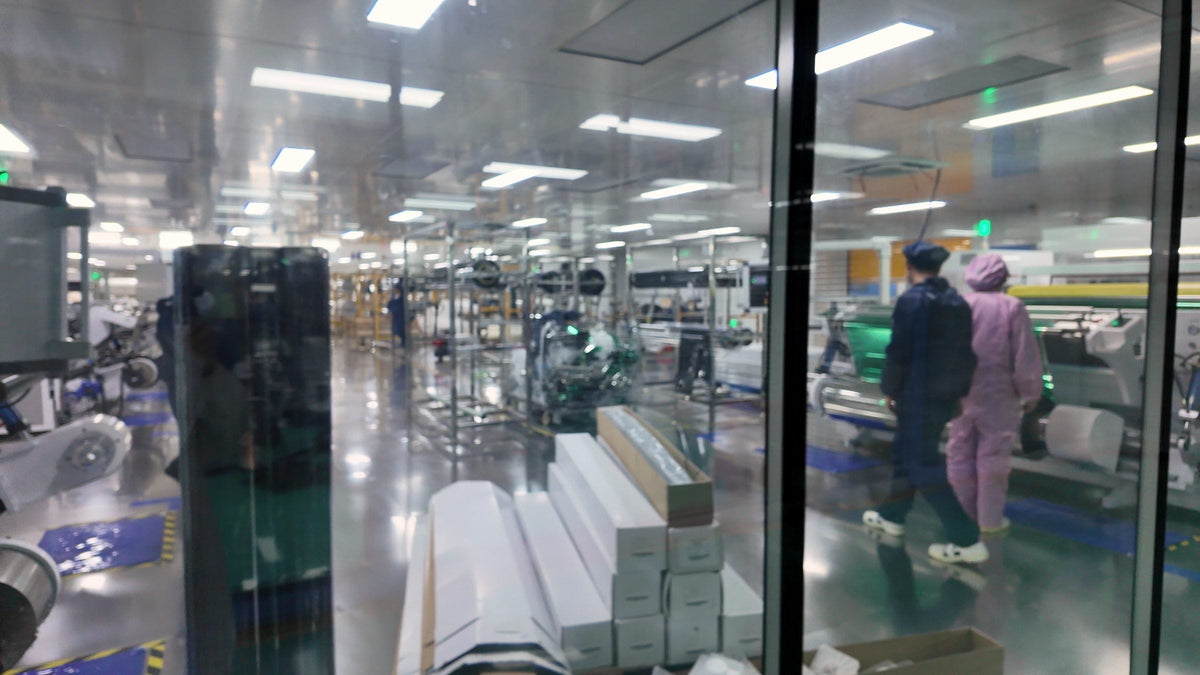
HIGHCOOL is a PPF factory, so we do not install cars in Charlotte, but we supply the rolls that shops cut and install. If you run a detail or film shop in the area and want to test our film, ask for free A4 PPF samples through our Paint Protection Film (PPF) page or our contact page.
FAQ
Is PPF worth it in Charlotte's climate?
For most drivers who use the interstate daily, yes. Strong summer sun, gravel and road debris wear paint fast, and PPF is the option that physically stops chips. Garage-kept weekend cars may do fine with ceramic coating alone.
Can PPF and ceramic coating be used together?
Yes, and many cars get both. Film goes on the high-impact panels such as the bumper, hood and mirrors, and a coating goes over the remaining paint and often over the film too. The coating makes the whole car easier to wash.
Does PPF damage factory paint?
No, not when it is installed and removed correctly. The paint under the film is usually in better condition than the uncovered panels. On fresh body-shop paint, wait until the paint has fully cured before applying film.

Share:
Car Window Tint Pricing in 2025: A Guide for Tint Shops
How Long Does Window Tinting Take? Full Installation Guide