
Most tint shops should stock both: carbon for customers who want a dark, matte look at a lower price, and ceramic for customers who want the most heat rejection, clear lighter shades or a film for an EV or a high-end car. If you can stock only one premium line, ceramic covers more of the jobs that pay well, and carbon covers the price-sensitive dark-tint buyer.
Both films are big steps up from dyed tint. Neither contains metal, so neither blocks phone, GPS or radio signals. The difference is in what is inside the film and how that changes heat, clarity and price.

Why the tint material decides performance
Many drivers think darker tint means cooler tint. It does not. The material inside the film decides how much heat gets through, how long the color stays stable and whether the film affects electronics. Dyed film can fade toward purple and does little against infrared heat. Customers who learn that the hard way pay to have the film removed and the car redone, and that redo is the job a good shop wants to avoid.
What is carbon window tint?
This film uses carbon particles spread through the film. The carbon absorbs part of the infrared heat and gives the film a dark, matte, slightly charcoal look that customers often like on black or grey cars. It holds its color much better than dyed film, it has no metal content, and it costs less than ceramic.
How carbon window tint works
The particles soak up solar energy, including some infrared, before it reaches the cabin. That cuts heat and glare noticeably compared to dyed film. Because the film absorbs the heat, the glass itself gets warm, and some of that warmth still reaches the cabin. On a long summer drive, carbon helps, but it has a lower ceiling than a good ceramic film.
What is ceramic window tint?
Ceramic tint uses nano-scale ceramic particles that are non-metallic and non-conductive. Those particles are chosen to absorb infrared strongly while letting visible light through. That is why a light ceramic film can reject more heat than a much darker carbon film, and why ceramic is the film most shops use when a customer wants heat control without dark glass.
How ceramic window tint works
These films target the infrared part of sunlight, which is the part you feel as heat on your arm, and block most of the UV. Quality ceramic films are commonly rated to block around 99% of UV. Since the ceramic layer does not depend on darkness, it works in lighter shades too, which matters in states with strict front side window limits. Heat rejection numbers vary a lot between ceramic products, so compare the spec sheet for each film rather than assuming all ceramic is the same.
Carbon vs ceramic tint: key technology differences
The short version: carbon blocks heat mainly by absorbing it across the film, and its performance rises as the shade gets darker. Ceramic is built to absorb infrared selectively and pass visible light, so its performance depends much less on shade. The rest of this comparison follows from that one difference.
Heat rejection performance: carbon vs ceramic tint
On infrared, carbon gives moderate rejection, a clear improvement over dyed film, and drops off in very hot climates. Ceramic gives higher infrared rejection, holds up better in places like Arizona, Texas or Florida, and cools the cabin down faster after the car has sat in the sun. For customers who park outside all day in the summer, ceramic is the one they will feel.
UV and infrared protection: how each tint performs
UV is close to a tie, since both films block it well. Ceramic usually adds stronger infrared blocking at the same shade. For customers who commute a long way every day, have kids in the back or want to protect a leather interior from fading, ceramic is the easier recommendation.
Visible light transmission and appearance comparison
Side by side, carbon has a darker, matte look and works well for privacy, but it has fewer high-clarity light shades. Ceramic looks clearer and more neutral, comes in light VLTs that suit front side windows and windshield applications where legal, and gives a factory-glass look. A customer who wants strong performance without dark windows should be shown ceramic.
Signal interference and vehicle technology compatibility
Modern cars depend on GPS, Bluetooth, cell signals, keyless entry and in many cases cameras and sensors near the glass. Metallic films can interfere with those. Carbon and ceramic contain no metal, so both are safe choices for signal use. Around ADAS cameras, the bigger question is legality and placement, since windshield film is limited by law and should stay clear of the camera area.
Durability and longevity: which tint lasts longer?
Neither fades the way dyed film does. Quality ceramic films generally keep their color and clarity the longest. Long life also depends on the adhesive, the install and how the car is cleaned, so a good film installed badly will not last.
Cost comparison: carbon vs ceramic window tint
Up front, carbon costs less for the customer and for the shop's inventory. Ceramic costs more but sells at a higher ticket, and customers who choose it rarely come back wanting an upgrade. For shops, the question is margin per job and how many customers you can move up the menu. Our posts on ceramic tint cost and whether ceramic tint is worth it go deeper on pricing.
Carbon vs ceramic tint: side-by-side table
| Factor | Carbon tint | Ceramic tint |
|---|---|---|
| Heat rejection | Moderate, better in darker shades | High, even in lighter shades |
| UV blocking | Strong | Strong |
| Look | Dark, matte | Clear, neutral |
| Light shades available | Fewer | More |
| Signal interference | None (no metal) | None (no metal) |
| Color stability | Good | Very good |
| Price | Lower | Higher |
| Best customer | Dark look on a budget | Hot climates, EVs, clear glass |
Factors to consider when choosing between carbon and ceramic tint
Five questions sort most customers. How hot is the climate? How many hours a day are they in the car? Is it an EV or a premium car where heat and electronics matter more? Do they want dark windows, or performance with clear glass? How long do they plan to keep the car? Hot climate, long hours, EV or clear glass point to ceramic. A tight budget and a dark look point to carbon.
When should you choose carbon tint?
Pick carbon when the customer wants darker windows and privacy, is upgrading from old dyed film, has a moderate budget and still wants a non-metallic film that holds its color. It is also a good second line for shops whose market buys mostly on price.
When is ceramic tint the best choice?
Recommend ceramic to customers in hot or sunny climates, EV and luxury owners, anyone who wants the most heat rejection, and anyone who wants a clear, factory look on the front windows. HIGHCOOL supplies nano-ceramic solar film by the roll for exactly these jobs.
To be clear about our own range: HIGHCOOL makes no carbon or metallized window film. Our nano ceramic series are WV (1.88 mil, nominal VLT 8%, 20%, 30% and 70%) and WU, a UV400 grade (2 mil, nominal VLT 4%, 16%, 30% and 70%), both with a 7-year warranty. KU70 is a 4 mil windshield-grade nano ceramic at nominal 70%. For the price-driven dark-tint customer we offer the dyed WA series (1.5 mil, 5-year warranty) in place of carbon. If carbon is a big part of your menu, keep your current carbon supplier and compare our ceramic against your premium line.
What installers look for in a film supplier
Brand names matter less to an installer than whether the film behaves the same way every time. Installers look for consistent thickness, stable color from batch to batch, adhesive that lets them position the film and then grabs, and film that heat-shrinks cleanly on curved back glass. Ask any supplier for samples and test them on a real car before you commit to rolls.
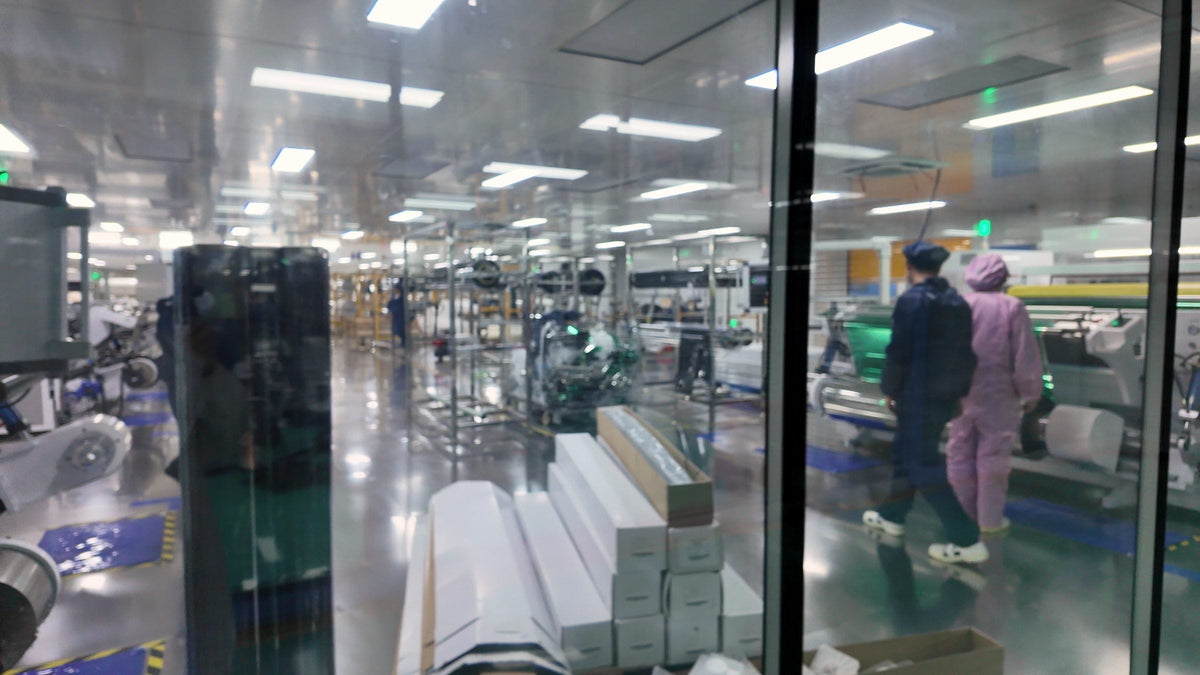
HIGHCOOL makes window film in its own factory in Shanghai and sells it by the roll to shops and distributors. To compare our films with what you stock now, browse the Window Film range and ask us for free A4 samples; you pay only shipping.
FAQ
Is ceramic tint better than carbon tint?
Ceramic usually rejects more heat and stays clearer, especially in lighter shades. Carbon costs less and gives a darker matte look, so it is better value when the customer mainly wants privacy.
Does carbon or ceramic window tint interfere with phone or GPS signals?
No. Neither film contains metal, so both are safe for phone, GPS, Bluetooth and keyless entry signals.
Should a tint shop stock carbon, ceramic or both?
Most shops do best with both, carbon for price-driven dark tint jobs and ceramic for heat rejection and clear-glass customers. A shop in a hot market that can stock only one premium line usually gets more from ceramic.

Share:
15% Window Tint: Benefits, Legal Restrictions & Comparison
Ceramic Tint vs Regular Tint: What Shops Should Recommend