
15% window tint lets 15% of visible light through the glass and blocks the other 85%, which makes it one of the darkest shades fitted to road cars. It buys strong privacy and a bold look. The trade-off is weaker night visibility, and in most US states it is not legal on the front side windows.
What is 15% window tint and what does it look like?
The 15% is the VLT, or Visible Light Transmission, of the finished window. In daylight you can barely see into the car from outside, and in shade the glass looks close to black. From inside, the view is fine in sun and noticeably dimmer at dusk, on unlit roads and in garages.
The figure should be measured on film and glass together. Factory glass already blocks some light, so 15% film on glass that passes 80% ends up near 12% on the car.
Benefits of 15% window tint
Privacy is the main reason people choose it. Passers-by see very little of the cabin or what is left on the seats. It also cuts sun glare and glare from headlights behind you, and the car takes on a dark, aggressive look that suits trucks, SUVs and sports cars.
Heat and UV depend on the film more than the shade. A ceramic or carbon film at 15% keeps the cabin cooler and slows sun damage to seats and dashboards. A cheap dyed film at the same shade looks just as dark but blocks less heat and can fade over time.
Drawbacks and legal restrictions of 15% tint
Night driving is the real cost. Reversing in a dark parking lot or spotting a pedestrian in the rain gets harder, and drivers with weaker night vision feel it most. Dark front windows also draw police attention, and in states with vehicle inspections an illegal shade can fail the inspection. That is why many drivers put 15% on the rear glass only and go lighter in front.
Is 15% window tint legal in the United States?
Not everywhere, and almost never on the front doors. Most states set a front side minimum well above 15%. A few examples:
| State | Front side windows (minimum VLT) | 15% allowed on rear glass? |
|---|---|---|
| California | 70% | Yes, behind the driver, with outside mirrors on both sides |
| Texas | 25% | Yes, behind the driver, with outside mirrors on both sides |
| Florida | 28% | Yes; sedans may go to 15% on rear side and back glass, SUVs and vans to 6% |
Windshields are limited to a strip along the top in nearly every state. Rules on reflectivity and medical exemptions also differ by state, so check your own state's current code before installing 15% film.
US window tint laws explained: federal vs state regulations
Federal safety standard FMVSS 205 requires glass that a driver needs for visibility to pass at least 70% of light when the vehicle is built. Once the car is sold, the limits for film added afterward are set by each state. That is why a shade can be legal in Texas and illegal in California, and why the same SUV can carry 15% on the rear glass in one state and not in another.
Where is 15% window tint commonly used?
Mostly behind the driver. Rear side windows and back glass on SUVs, full-size trucks and vans are the usual places, often over factory privacy glass. It also shows up on show cars, off-road vehicles that stay off public roads, and fleet or security vehicles. On the front doors of a daily-driven sedan it is rare, because that is where the law and the night-visibility problem both bite.
15% tint vs 20% tint: what's the real difference?
| Feature | 15% tint | 20% tint |
|---|---|---|
| Darkness | Very dark | Dark but easier to see through |
| Privacy | Maximum | High |
| Night driving | Challenging | More manageable |
| Legal acceptance | Limited | Somewhat wider, still illegal on front doors in many states |
For most drivers 20% is the better balance of privacy, visibility and legality. Our 15% vs 20% window tint comparison goes through the choice in detail.
How dark is 15% window tint compared with other VLT levels?
- 50%: light shading, easy to see through day and night
- 35%: a popular middle shade, legal on front side windows in many states
- 20%: dark and commonly chosen, often for rear glass
- 15%: very dark, with limited legality on front windows
- 5% (limo): almost black, illegal on front side windows in most states and allowed on rear glass in some
How to choose the right window tint for your car
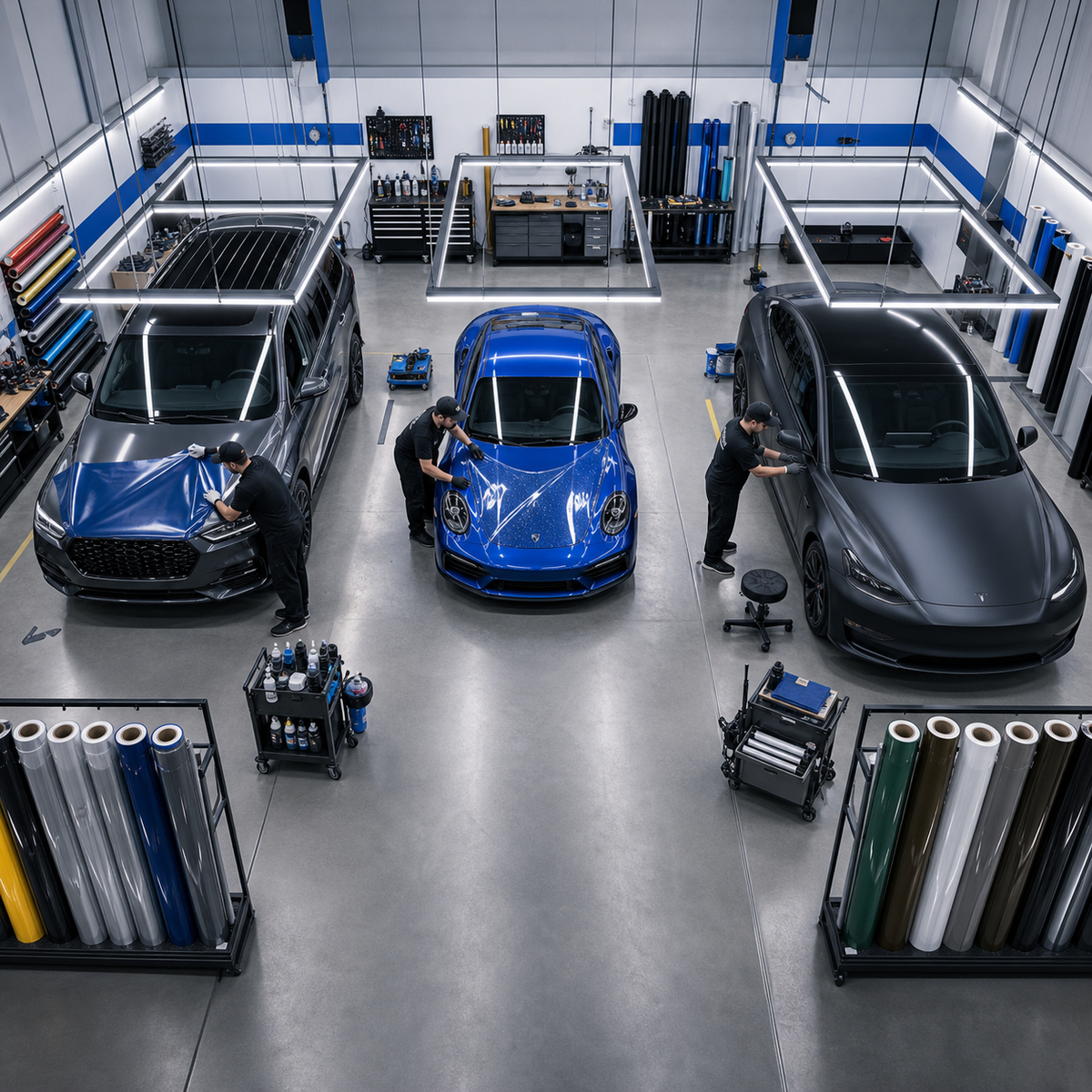
Start with your state's limits, then think about how much you drive at night and how much privacy you actually need. Pick the film type next: ceramic for the most heat rejection, carbon for a middle price, dyed only if budget is the deciding factor. Many owners settle on a split setup, legal lighter film in front and 15% or 20% behind the driver.
Is 15% window tint worth it?
Yes, if privacy and appearance matter most to you and you accept the night-visibility and legal trade-offs. For a daily driver in most US states, 20% or 35% is the safer and more compliant choice for the front, with 15% kept for the rear glass.
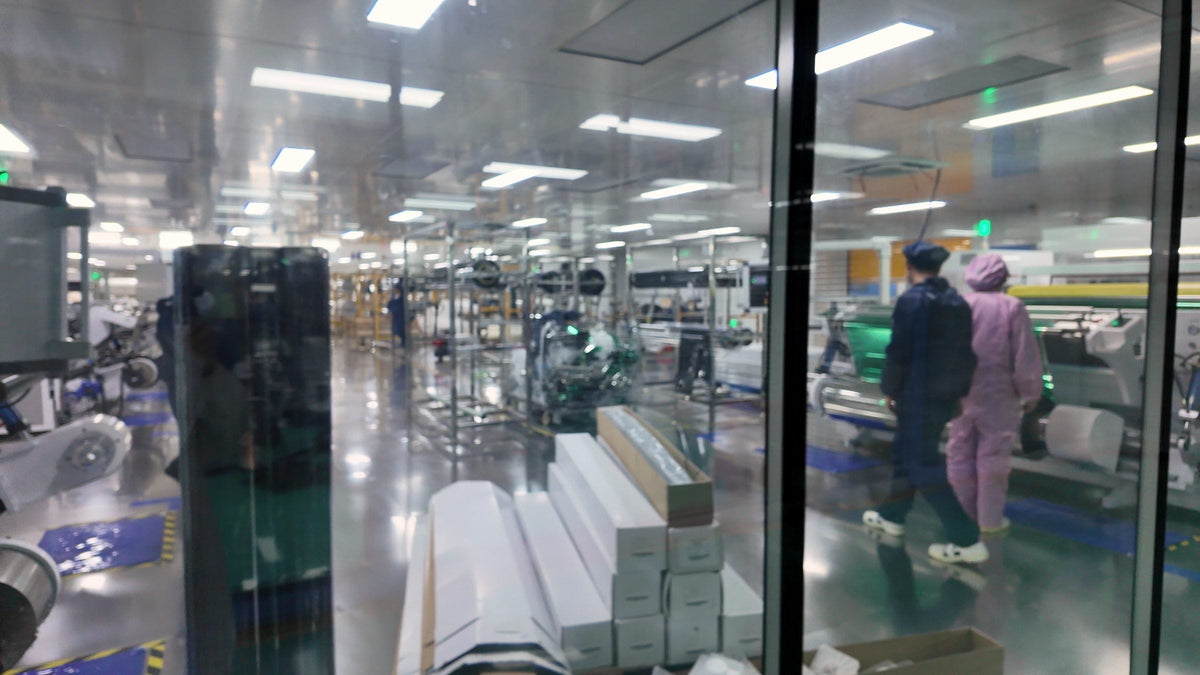
If you install tint and buy film by the roll, HIGHCOOL makes Window Film in its own Shanghai factory and sends free A4 samples from US stock, with you paying shipping; see the Window Film range and request a quote from there.
FAQ
What does 15% window tint look like?
15% tint looks very dark, close to black in shade, and you can barely see into the car in daylight. From inside, the view stays clear in sun but gets noticeably dimmer at night. The final look also depends on the factory glass underneath.
Is 15% tint legal?
It depends on the state and the window. Most states ban 15% on the front side windows; California requires 70%, Texas 25% and Florida 28% there. Many states allow 15% or darker on rear glass.
How much darker is 15% tint than 20%?
15% lets through 5 points less visible light, which is a quarter less light than 20%. The difference is small in daylight and clear at night and in garages. It also gives more privacy at the cost of visibility.

Share:
70% Window Tint: Heat Reduction, Laws & Is It Worth It?
Carbon vs Ceramic Window Tint: Which Should Shops Stock?