
Heat-blocking window tint works by stopping infrared light, the part of sunlight you feel as heat, before it gets into the cabin. How dark the film looks has little to do with it. A light ceramic film can keep a car cooler than a dark dyed one, and for drivers that is the main benefit: a cooler cabin, less glare and interior trim that fades more slowly.

What Is Heat-Blocking Window Tint?
It is window film built to filter infrared (IR) radiation instead of only darkening the glass. Heat-blocking film, usually carbon or nano-ceramic, targets the IR band directly. Most quality films of either kind also block about 99% of UV, which protects skin and the dashboard.
How Heat-Blocking Window Tint Works
Sunlight reaching a car has three parts that matter here. Visible light is what you see. Infrared is what heats the seats and the steering wheel. Ultraviolet is what fades upholstery and burns skin. A heat-blocking film lets through as much visible light as the shade calls for, while absorbing or reflecting a large share of the IR and nearly all the UV.
Nano-ceramic films do this with non-metallic ceramic particles. Because the particles do not conduct electricity, the film does not interfere with phone, GPS or toll-tag signals, which is a problem with older metalized films.
Benefits of Heat-Blocking Window Tint for Cars
The first thing a driver notices is the cabin after the car has been parked in the sun. It is still warm, but the seats and wheel are not painful to touch, and the air conditioning catches up sooner.
The slower benefit is the interior. Blocking UV slows the fading and cracking of dashboards, leather and fabric. Less air conditioning can also help fuel use or EV range a little on hot days.
Does Window Tint Really Block Heat?
Yes, but the amount depends on the film technology much more than on the shade. A dark dyed film mostly cuts light. A 70% ceramic film can reject more heat while looking almost clear. When comparing films, read these numbers on the spec sheet for the exact shade, because they change from shade to shade:
- IR rejection (%)
- Total solar energy rejected (TSER)
- UV rejection (%)
- Visible light transmission (VLT), for the legal limit
Types of Automotive Heat-Blocking Window Tint
Dyed tint is the cheapest. It darkens the glass and does little for heat, and the dye can fade over time. Carbon tint holds its color better and blocks more heat than dyed film. Nano-ceramic tint blocks the most infrared for a given shade, stays clear and does not touch signals, which is why most shops lead with it on premium cars.
Heat-Blocking Window Tint vs. Regular Tint
| Feature | Regular Dyed Tint | Heat-Blocking Ceramic Tint |
|---|---|---|
| Heat reduction | Low | High |
| UV protection | Varies by film | Up to 99% |
| Visibility | Reduced at dark shades | Clear, even at light shades |
| Signal interference | None (metalized films can interfere) | None |
| Color stability | Dye can fade | Long-term |
Is Heat-Blocking Window Tint Legal?
Usually, as long as the shade meets your state's limits. Tint laws in the US are written around VLT, and most states allow less tint on the windshield and front side windows than on the rear. Check your state's current rules, or ask your installer to meter the glass, before choosing a shade.
What to Consider When Choosing Heat-Blocking Window Tint
Drivers should compare IR rejection, UV rejection and VLT on the spec sheet, then look at the warranty and who stands behind it. Installers have one more question: does the film behave the same from roll to roll? Consistent thickness, clarity and adhesive mean fewer surprises on the back glass and fewer callbacks.
Professional Installation vs. DIY Tinting
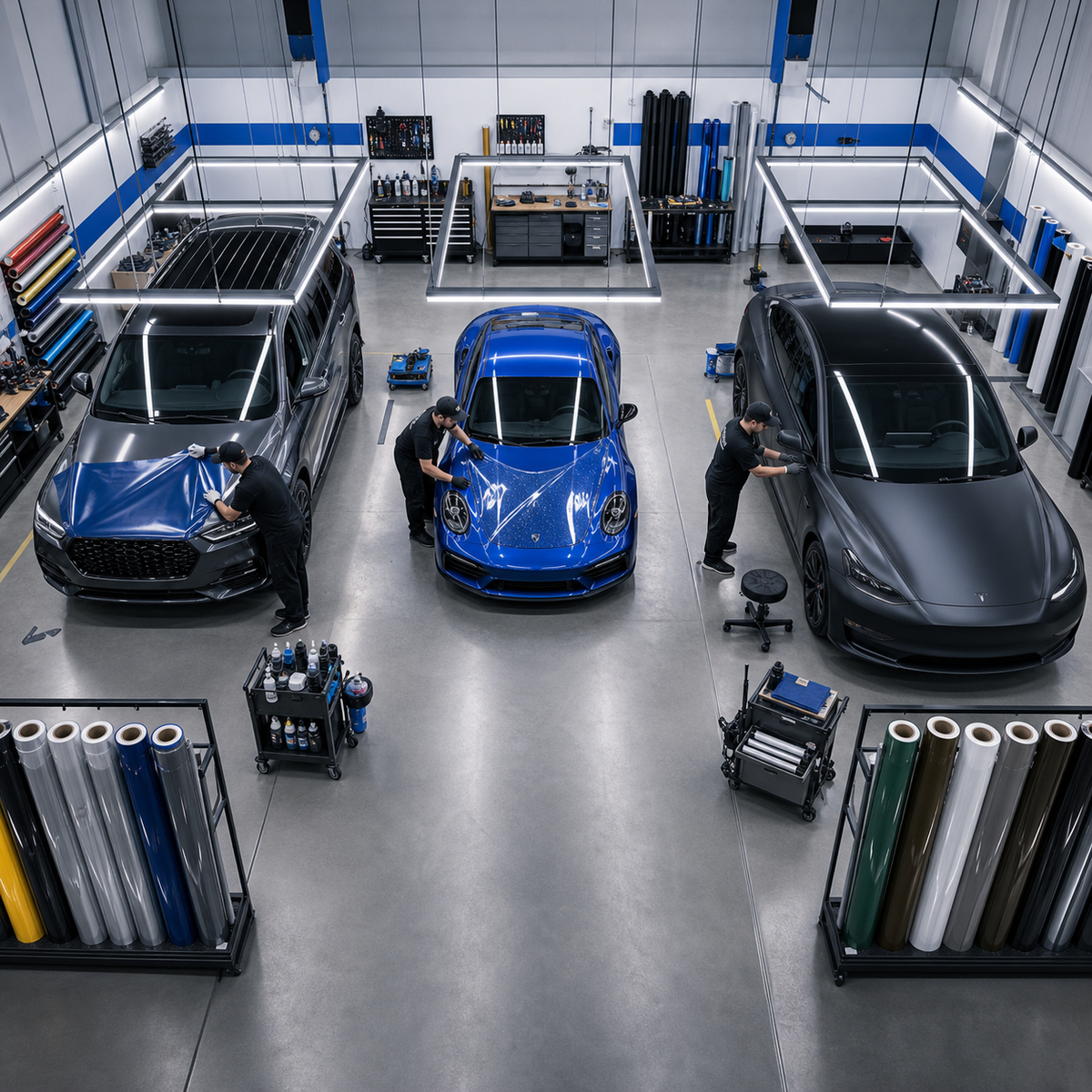
DIY kits exist, but curved rear glass needs heat-shrinking, and clean edges take practice. A professional install fits the glass cleanly and comes with the shop's warranty, which matters most on windshields and expensive cars.
Why Installers Choose HIGHCOOL Window Film
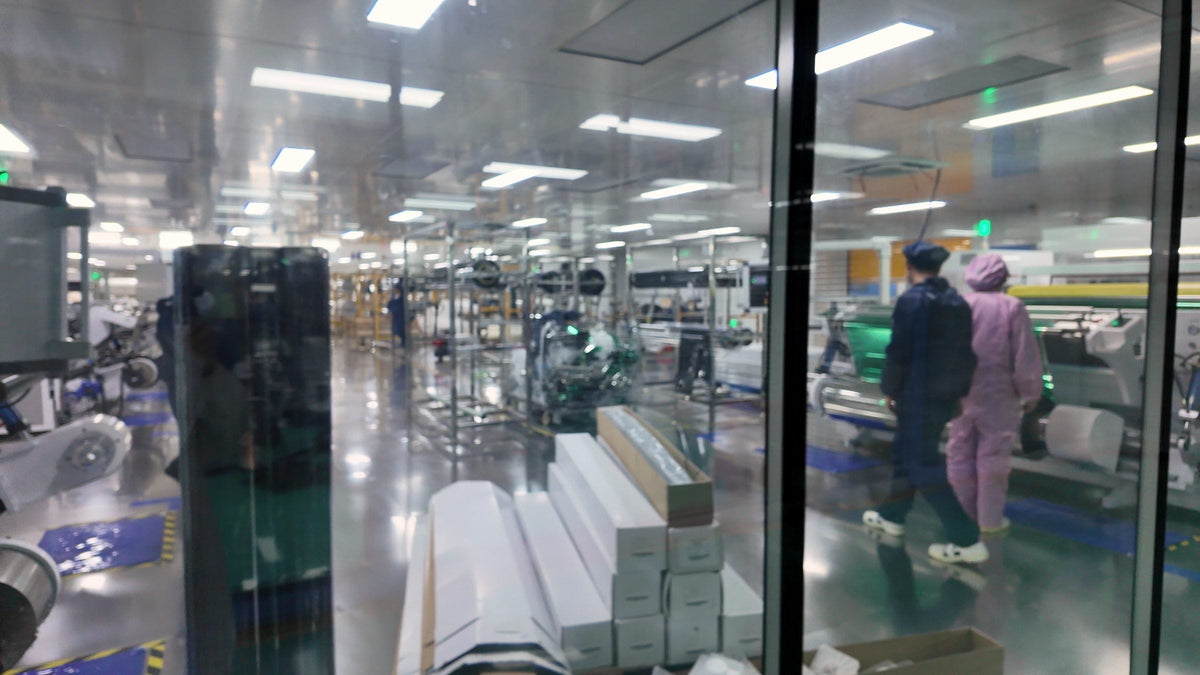
HIGHCOOL makes window film in our own factory in Shanghai and sells it by the roll to shops and distributors in more than 60 countries, factory-direct with no middlemen. We offer a range of VLT shades so shops can match local law, and private label is available from 30 rolls per model. Window Film ships from China in 60 in x 98 ft (1.52 m x 30 m) rolls.
The heat-blocking grades are nano ceramic. WV is 1.88 mil with nominal VLT of 8%, 20%, 30% and 70%. WU adds UV400 blocking at 2 mil, with nominal VLT of 4%, 16%, 30% and 70%. KU70 is a 4 mil windshield-grade nano ceramic UV400 film at nominal 70%. All three carry a 7-year warranty. We list a nominal lab TSER for each model, for example 43% on WV70 and 65% on WU05, which is useful for comparing our own shades side by side. The dyed WA series (1.5 mil, 5-year warranty) covers budget dark-tint jobs. We do not make carbon or metallized film.
Conclusion: Is Heat-Blocking Window Tint Worth It?
For most drivers in sunny climates, yes. A good ceramic film keeps the cabin cooler and protects the interior without darkening the glass past what the law allows.
If you install or distribute tint, order free A4 samples of our Window Film (you pay shipping) and put them under a heat lamp next to the film you sell now.
FAQ
Does darker tint block more heat?
Not necessarily, because heat comes mainly from infrared light, not visible light. A light ceramic film can reject more heat than a dark dyed film, so compare IR rejection and TSER instead of shade.
Does ceramic window tint interfere with phone or GPS signals?
No, ceramic film uses non-conductive particles that let radio signals pass. Signal problems come from older metalized films.
How much UV does heat-blocking window tint block?
Most quality carbon and ceramic films block about 99% of UV. Check the spec sheet for the exact shade, since UV, IR and VLT figures vary.

Share:
Best Window Tint Brands in Ontario (2026)
Heat-Blocking Window Film vs. Low-E Glass for Buildings