
For an existing building, heat-blocking window film is usually the cheaper and faster way to cut solar heat through the glass, while Low-E glass makes sense in new construction or when the windows are being replaced anyway. Film goes onto the glass that is already there. Low-E is built into new glass units.
That is the short answer for building owners. For a window film installer, the longer answer is what you need at the quote: what each option does, where film is the better fit, and where it is not.

Where the heat comes from
Sunlight reaches the glass as visible light, infrared and ultraviolet. Infrared is what the occupant feels as heat next to the window. UV fades flooring, furniture and merchandise. Visible light is the daylight people want to keep. A good solar control product cuts the first two and keeps as much of the third as the client wants.
In hot climates, sun through west- and south-facing glass is what makes the desks by the window too warm by mid-afternoon, and it is a large part of the cooling load. The request you get is almost always the same: cooler rooms without making them dark.
How heat-blocking window film works
Window film is applied to the inside face of existing glass and works as a solar control layer. Nano-ceramic films absorb and reject infrared while keeping a neutral, fairly clear look. Most window films also block most of the UV, and the exact figure is on each film's spec sheet. Reflective and dual-reflective films reject more heat but give the glass a mirrored look from outside, which some building owners and some associations will not accept.
When you compare films, read four numbers on the spec sheet: visible light transmission (VLT), infrared rejection (IRR), total solar energy rejection (TSER) and UV rejection. IRR alone can look high on a film that still lets a lot of total heat through, so TSER is the better number for comparing heat performance.
What Low-E glass is
Low-E (low emissivity) glass has a very thin metallic coating applied at the glass factory. It reflects long-wave heat, which helps keep heat inside in winter, and some Low-E types also cut solar heat in summer. It is specified in new construction and full window replacement. Once the units are in, the performance is fixed until the glass is replaced.
Window film vs Low-E glass compared
| Factor | Low-E glass | Heat-blocking window film |
|---|---|---|
| Installation | New construction or glass replacement | Retrofit on existing glass |
| Initial cost | High | Low to moderate |
| Disruption | Significant | Minimal, often room by room |
| Solar heat control | Depends on the Low-E type | Depends on the film; nano-ceramic is strong on infrared |
| Winter insulation | Better | Limited |
| Changes later | Fixed until the glass is replaced | Film can be removed and replaced |
| Look | Set by the glass maker | Choice of VLT and tone |
Where window film fits, and where it does not
Film is the practical choice when the windows are sound and the problem is heat, glare or UV. It goes on with the building in use, it costs far less than new glass, and it can be removed or upgraded later. Typical jobs are office floors with hot window desks, hotel rooms facing west, apartments with uneven temperatures between sides of the building, and shopfronts where the sun fades the display.
Film does not turn single glazing into insulated glazing, and it does not fix leaking or failing window units. If the client's main problem is winter heat loss, or the windows are due for replacement, Low-E glass is the better spend.
Check the glass before you quote. Darker or more absorbent films raise the glass temperature, and on some insulated, tinted or large panes that raises the risk of thermal stress cracking. Match the film to the glass type using the film maker's glass compatibility guidance, and tell the owner how a film install may affect the window maker's glass warranty.
Appearance and daylight
Many commercial clients care as much about the facade as the heat number. Neutral ceramic films keep the outside look close to the original glass and keep daylight balanced inside, which is why they are the usual pick for offices, hospitals and higher-end residential work. If the building has a strict facade or association rule, put a sample on the glass and get it approved before you order rolls.
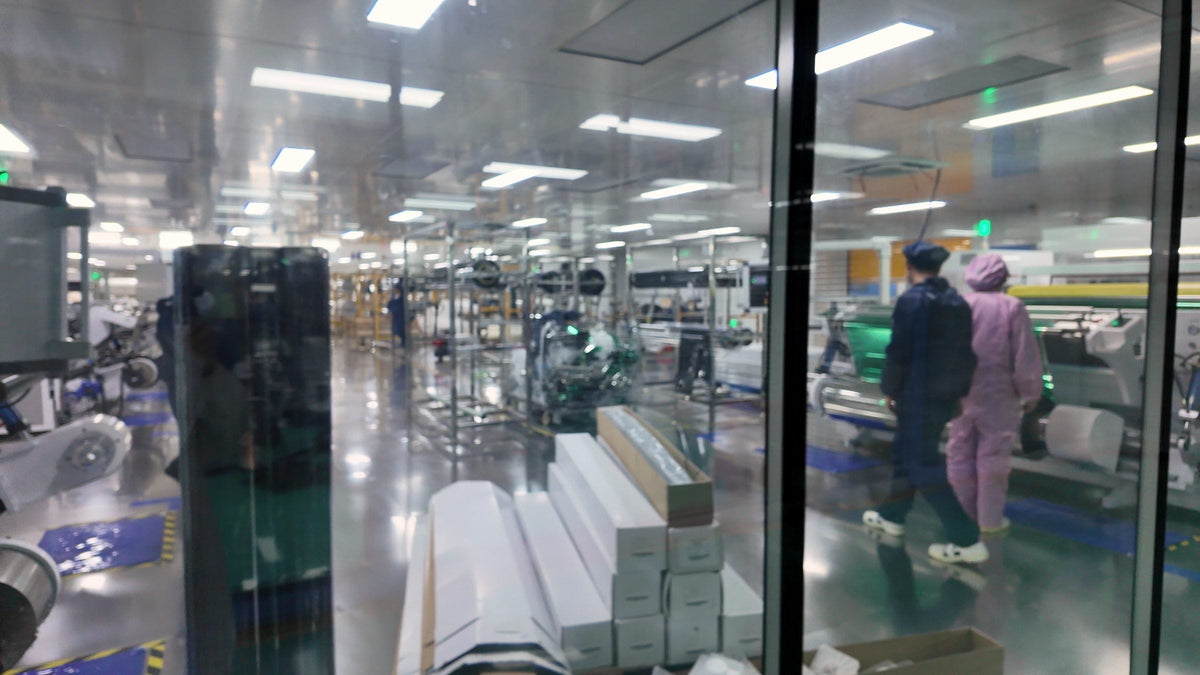
HIGHCOOL makes window film at our own factory in Shanghai, supplies installers and distributors in 60+ countries, and offers OEM private label from 30 rolls per model. Our nano ceramic series are WV (1.88 mil, nominal VLT 8%, 20%, 30% or 70%) and WU, a UV400 grade (2 mil, nominal VLT 4%, 16%, 30% or 70%), both with a 7-year warranty. The dyed WA series has a 5-year warranty. We publish TSER per model as a nominal lab value, WV70 at 43% for example, so treat it as a comparison figure and check it on the real glass. Rolls are 60 in x 98 ft (1.52 m x 30 m) and ship from China. We make no metallized film, so ask us which grade suits the glass on your job before you specify it. Free A4 samples let you test a film on the actual glass, and you pay the shipping. Send us the glass type, orientation and the look the client wants through our contact page, or browse the Window Film range first.
FAQ
Is window film as good as Low-E glass?
For cutting solar heat and UV on existing windows, a good nano-ceramic film can be the more cost-effective choice. Low-E glass is better for winter insulation and belongs in new construction or replacement projects. The right pick depends on whether the windows are staying.
Can you put window film on Low-E or double-pane glass?
Often yes, but only after you check the film against the glass type. Some films raise glass temperature enough to increase thermal stress risk on certain insulated or tinted units. Use the film maker's compatibility guidance and check the window warranty first.
Does heat-blocking window film make rooms darker?
Not necessarily. Nano-ceramic films reject infrared heat while keeping a fairly high visible light transmission, so rooms stay bright. Darker or reflective films cut more glare but change the look from inside and outside.

Share:
Heat-Blocking Window Tint for Cars: Benefits & How It Works
70% Window Tint: Heat Reduction, Laws & Is It Worth It?