
US shops can stay competitive in the crowded 2026 PPF market by selling on film specs instead of brand names, building packages for EVs and matte finishes, controlling material waste, and backing their work with a warranty they can stand behind. Demand for paint protection film is strong, but in big metro areas there are more shops chasing the same customers, and price is usually the first thing to give.
What follows is our view as a film supplier, based on what US shop owners tell us when they ask for quotes. It is a judgment, not market research, and you will know your local market better than we do.
Selling material performance, not only the brand name
For years, many US shops sold PPF on the strength of a few big brands. More customers now come in having read about film already. They ask how thick it is, whether it is aliphatic TPU, whether the topcoat self-heals, and what the warranty says about yellowing.
That gives a shop room to choose its supplier on specs and price, and to explain the film to the customer in plain terms: what the TPU is, what the topcoat does, what the warranty covers. A shop that can answer those questions across the counter does not need a famous logo to close the sale. Buying from a factory instead of through layers of distribution also leaves more margin per car.
EVs and matte finishes
Electric vehicles bring a lot of large, flat, exposed panels to the bay. Big trucks and low, smooth EV front ends pick up rock chips quickly, and their owners often want full-front or full-body coverage from day one.
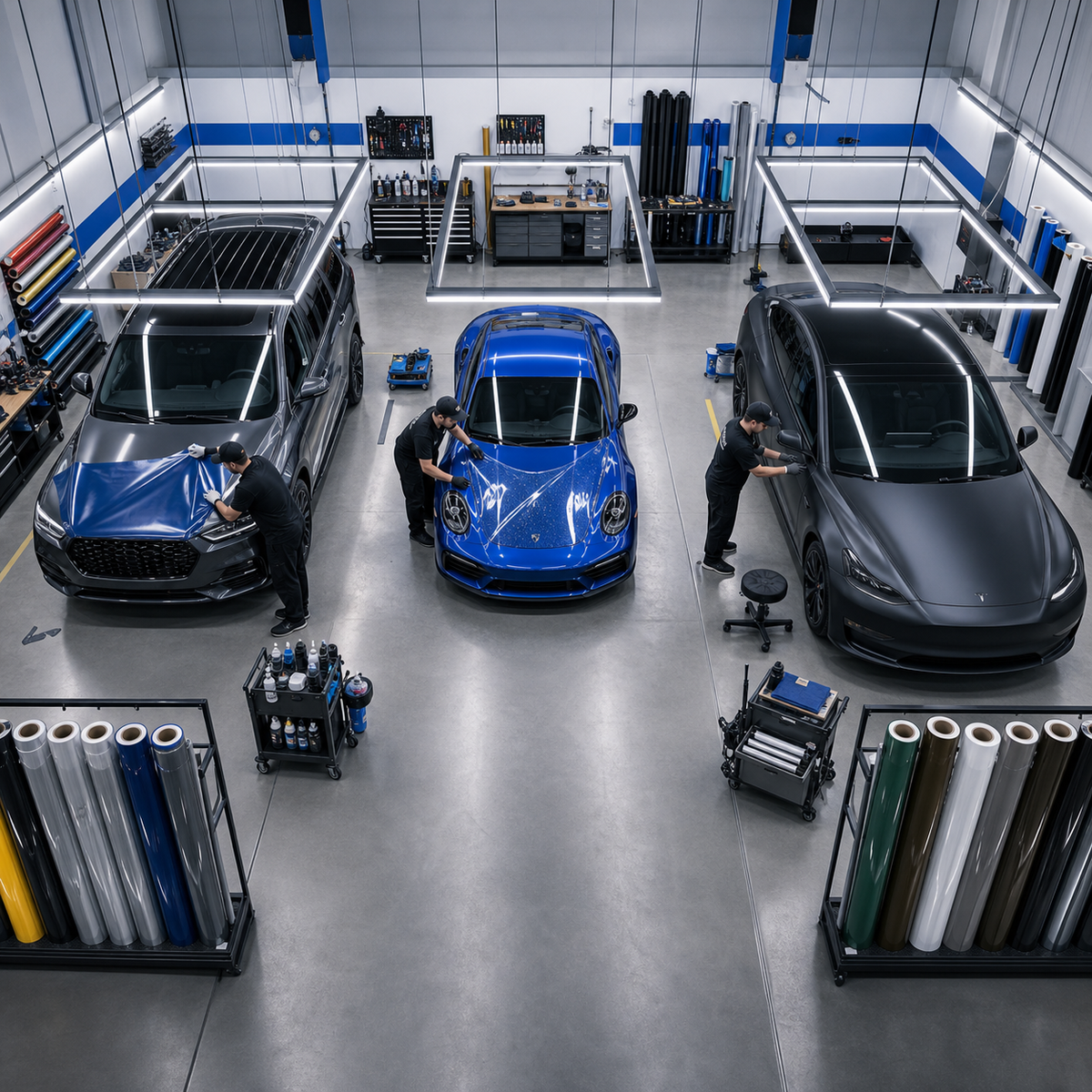
Matte PPF has also moved well beyond a niche request. Selling a matte finish as a style change and protection in one job can raise the value of each ticket, because the customer is paying for a new look as well as protection. If you do not stock matte film yet, that is worth testing with a few rolls. Our matte grade is V15MA: Covestro TPU, 7.5 mil, with a 5-year warranty.
Cutting waste and overhead
When margins get squeezed, overhead shows. Software subscriptions and the waste from nesting pre-cut kits add up. Some shops now run a mix: plotter patterns for complex parts, bulk film and hand trimming for simpler panels. That only works if the team can trim well, so it means investing in training. Film that stretches predictably from roll to roll makes hand trimming easier to teach.
Warranty as a sales tool
Customers want film that lasts as long as they keep the car. A clear, written warranty against yellowing, cracking and peeling helps the sale, but only if the shop trusts the film enough not to fear callbacks. Each redo costs labor and bay time you cannot bill. Ask any supplier how long their warranty runs, what it covers, and how a claim is traced back to a specific roll.
For reference, our own terms run by series. W15 and W17 carry 5 years, V15 and V17 carry 7, E15, E17 and V19 carry 8, and L15, L17 and V23PRO carry 10. The warranty covers film defects such as yellowing, staining, hydrolysis or film breakdown. It does not cover bubbles, dust or creases from the install, or damage from use, so your own install guarantee still matters.
Local search and visual proof
Most PPF customers find a shop through Google Maps and Instagram. Before-and-after photos of real installs on local cars, close-ups of wrapped edges, and short videos of a self-healing topcoat recovering under heat do more than any slogan. Post them on your Google Business Profile, your site and your social accounts, and keep doing it.
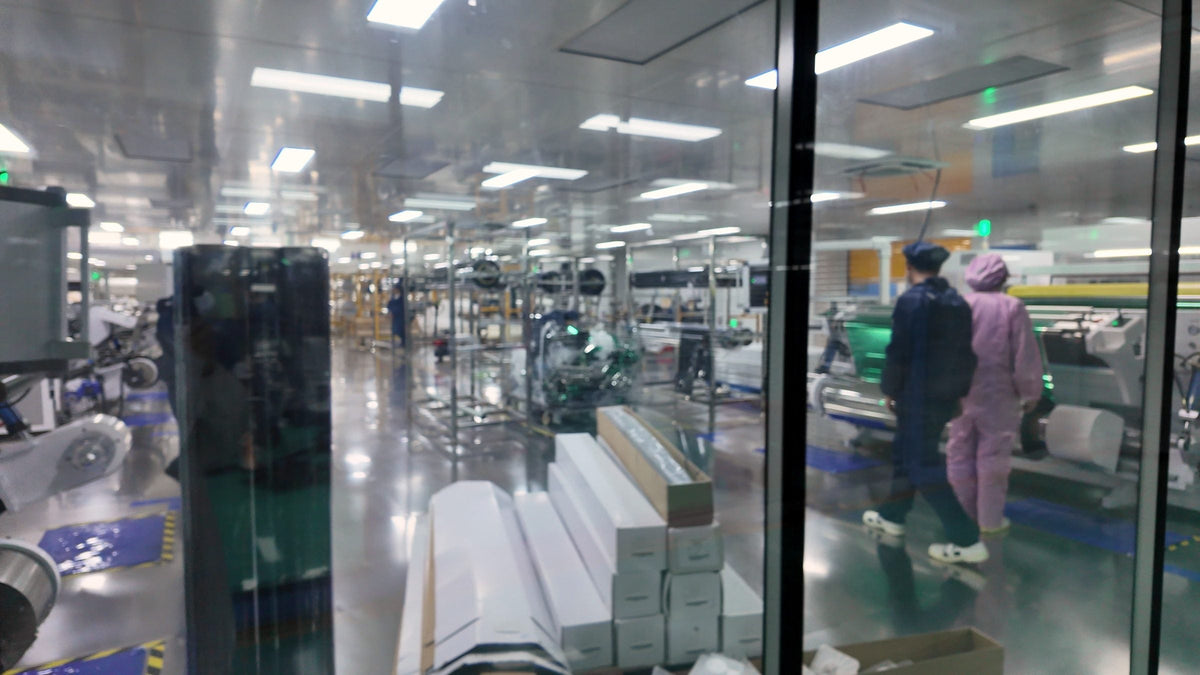
HIGHCOOL makes PPF in its own Shanghai factory and sells it by the roll to shops and distributors in more than 60 countries, with 5 to 10 year warranties by grade and a code on every roll for warranty tracing. If you want to compare our film and pricing with what you stock now, browse the Paint Protection Film (PPF) range or tell us your monthly volume and we will quote you. More about the factory is on the HIGHCOOL home page.
FAQ
How can a PPF shop compete with lower-priced shops nearby?
Compete on explained quality instead of price alone: show customers the film specs, the warranty terms and photos of your own installs. Buying film closer to the factory can also protect your margin without cutting your price.
Is matte PPF worth stocking for a US shop?
For many shops, yes, because matte film sells as a style change and protection in one job. Start with a few rolls and see how your local customers respond before you commit more shelf space.
What should a shop ask a PPF supplier about the warranty?
Ask how many years it covers, whether it covers yellowing, cracking and peeling, and how a claim is traced to a specific roll. A supplier that cannot answer those clearly will leave you paying for redos.

Share:
2026 California Window Tinting Cost Guide: Performance vs. Price
Bulk PPF Rolls vs Pre-Cut Kits: Costs and Shop Workflow