
Tinting a sedan in California usually costs somewhere between $150 and $800, and ceramic film sits at the top of that range. Where your car lands depends on the film, the size and shape of the glass, and whether old tint has to come off first. Published 2026 price lists from California shops put dyed film on a sedan at roughly $150 to $250, carbon at $200 to $350, and ceramic at $300 to $600, with IR-grade ceramic running higher still. You can see one shop's breakdown in this California tint pricing guide.
We make window film. We do not install it, so treat these as retail ranges gathered from shop price lists, not our numbers. Your local quote can sit outside them, especially in high-rent areas.
How much to tint car windows in California by film type
| Film type | What you get | Typical sedan price (CA shop lists) |
| Dyed | Darkens glass and cuts glare. Little heat rejection, and the dye fades over time. | About $150 to $250 |
| Carbon | Matte look, better heat rejection than dyed, holds its color longer. | About $200 to $350 |
| Ceramic | Blocks infrared heat without metal, so no interference with GPS, phone or key fob signals. | About $300 to $600 |
| IR / nano-ceramic | The highest heat rejection in a shop's lineup. | About $400 to $700 and up |
Car window film cost by vehicle
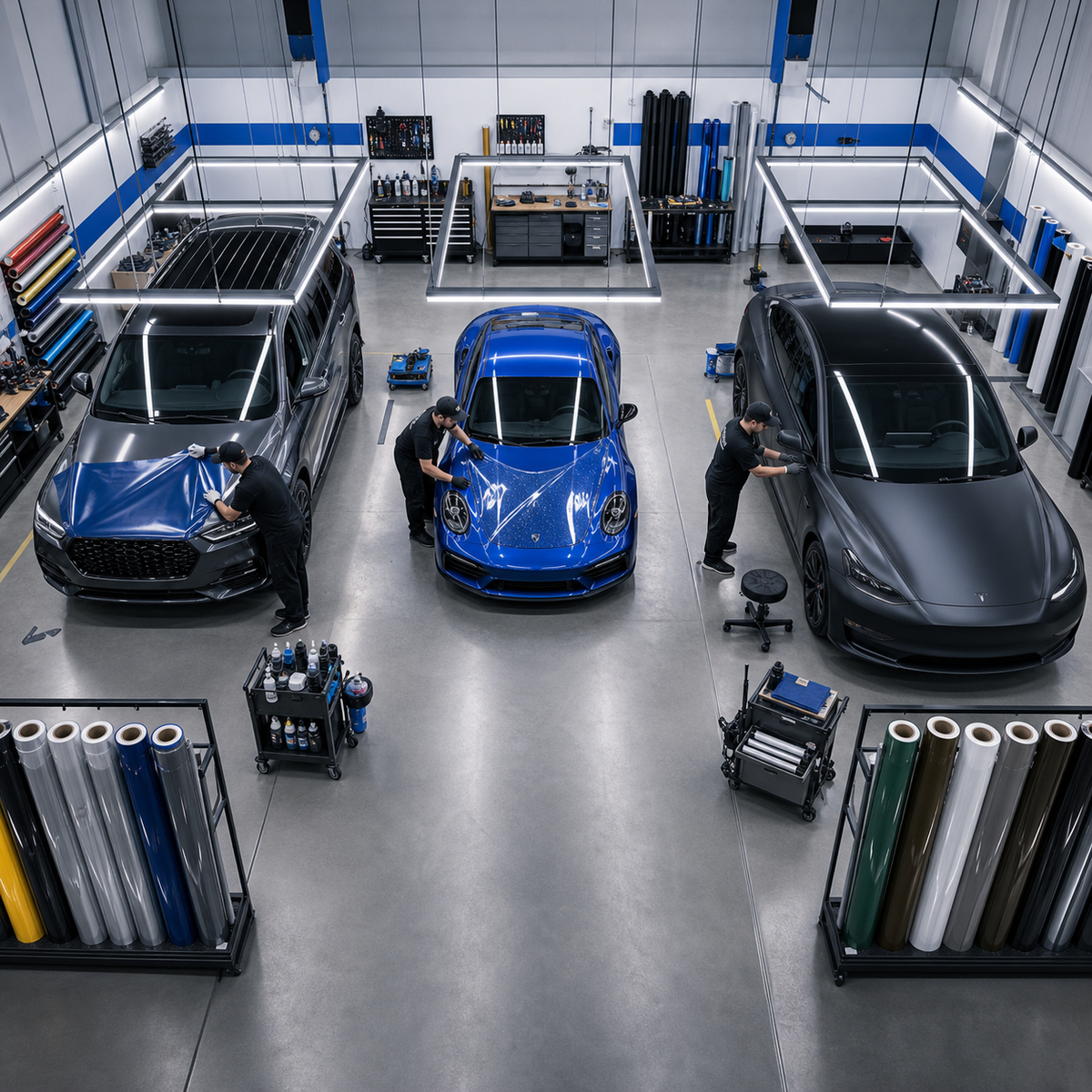
Labor follows the glass. A two-door coupe with small, flat side windows is the cheapest job. A four-door sedan adds two more doors. SUVs and trucks add more glass and often a sliding or split rear window. Tesla Model 3 and Model Y cost more at most shops, because the large one-piece rear glass needs a wide sheet of film and a careful heat-shrink to lay flat without fingers at the edges.
Add-ons push the total up. A sunroof or panoramic roof, a full windshield in a clear heat-rejecting film, and removal of old bubbling tint are each priced separately. Removal is slow work, since the adhesive has to come off the defroster lines without breaking them.
How much does it cost to tint car windows legally in CA?
California's rules are among the strictest in the country, and they shape the price. Under the Vehicle Code, the front side windows must let at least 70% of visible light through, measured as film and glass together. The windshield can only take a non-reflective strip on the top 4 inches. The rear side windows and back glass can go as dark as you like, as long as the car has mirrors on both sides. Red, amber and blue tints are not allowed, and film may not be more reflective than plain glass. Drivers with a qualifying medical condition can apply for an exemption with a doctor's note.
Most factory glass already passes somewhere around 70% to 80% of visible light, so there is very little room on the front doors. A film that stays legal there has to be nearly clear and still block heat, which is a job for ceramic. That is why staying legal in California often costs more than a dark dyed film would in a state with looser rules.
Is ceramic tint cost worth it in California?
For most California drivers, yes. A ceramic film blocks a large share of the infrared heat that makes a parked car feel like an oven in Fresno in August, and it does it at light shades you can legally run on the front doors. The cabin cools down faster, the A/C works less, and on an EV that means a little less drain on the battery. Quality films of every type also block nearly all UV, which protects dashboards and seat trim.
Cheap dyed film is the false saving. In strong sun it can turn purple and start to bubble within a few years, and the redo costs a removal charge plus a new install. Ask any shop what film brand and line they use, what warranty it carries, and who honors that warranty if the shop closes.
What sets the price at a California tint shop
- Film type, from dyed at the bottom to IR ceramic at the top.
- Number and size of windows, including sunroof and windshield.
- Glass shape, with large curved rear glass taking the most time.
- Old tint removal, quoted as a separate line.
- Location, since shop rent in Beverly Hills or Palo Alto is not the same as in an inland town.
- The warranty behind the film, which is built into the price.
For California tint shops
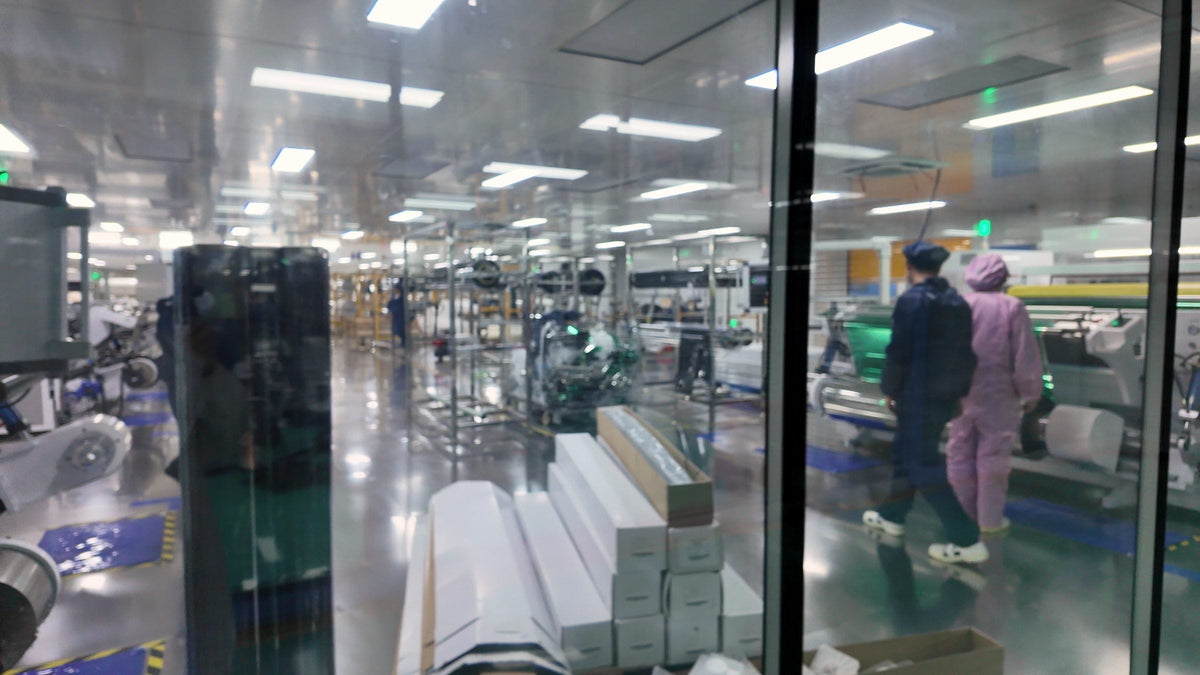
HIGHCOOL makes Window Film in our own 20,000 m² factory in Shanghai and sells it by the roll to shops and distributors, with no middlemen. Window Film ships from China in 60 in x 98 ft (1.52 m x 30 m) rolls. The nano ceramic WV and WU series carry a 7-year warranty and the dyed WA series carries 5 years. Our lightest grades, WV70, WU70 and the 4 mil windshield-grade KU70, are nominal 70% film, so on most factory glass they read under California's 70% front-door limit. Sell them for the rear glass, and meter any front door before you promise it is legal. Our windshield protection film, a separate product for stone chips, is launching soon, and you can ask us about it now. If you also install PPF, we keep 13 PPF SKUs in US stock, accept one-roll orders, and can state a dispatch time for California PPF orders when we quote. Free A4 samples come from our US sample stock, and you pay only the shipping. Our supplier page has the specs, and you can ask for samples on the free A4 sample page. The full range is on our Window Film collection.
If you want ceramic film for the rear glass and a PPF line from US stock, send us your shades and monthly roll volume through the contact page and we will quote within 12 business hours.
FAQ
How much does ceramic tint cost in California?
Ceramic tint on a sedan typically runs about $300 to $600 at California shops, and IR-grade ceramic can go past $700. SUVs, trucks and cars with large rear glass, like the Tesla Model 3, cost more. Removal of old film and windshield or sunroof work are extra.
What is the legal tint limit in California?
California requires the front side windows to pass at least 70% of visible light, counting film and glass together. The windshield may only have a non-reflective strip on the top 4 inches. Rear side and back windows can be any darkness if the car has two side mirrors.
Why do Tesla owners pay more for tint?
Tesla Model 3 and Model Y have large one-piece rear glass that takes a wide sheet of film and careful heat-forming to install cleanly. That adds material and labor, so most shops price Teslas above a standard sedan.

Share:
What is the 10-Year Anti-Yellowing Standard for PPF?
Bulk PPF Rolls vs Pre-Cut Kits: Costs and Shop Workflow