
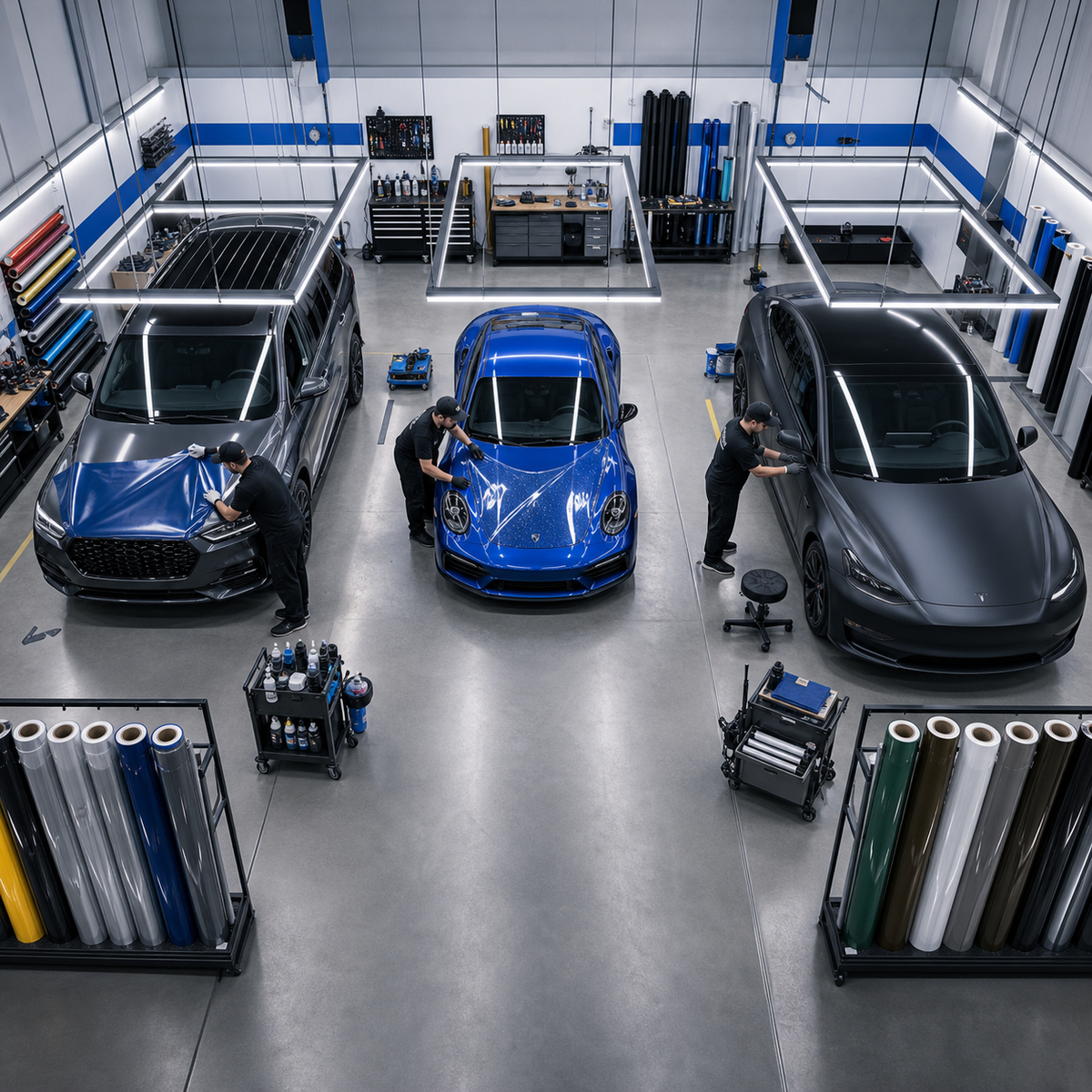
Yes, you can tint a Tesla, and for most Model 3 and Model Y owners it is one of the first upgrades they ask a shop for. Every current model, including the Model S and Model X, takes standard automotive window film. A non-metal ceramic film is the usual choice because it rejects heat without interfering with the car's electronics. For a tint shop, Teslas are steady work, with a few habits of their own you should know before the first one rolls into the bay.

Can you tint Tesla windows? The basics
Tesla glass accepts the same films as other cars, from dyed and carbon to nano-ceramic. What sets Teslas apart is the amount of glass. The Model 3 and Model Y have large side windows, a steeply raked rear glass and a glass roof, so film choice and install quality show more than on a typical sedan.
The doors have frameless windows that drop slightly each time a door opens. Keep that in mind on the cure period: tell the owner how to handle the doors and windows in the first days so the fresh film edge is not dragged against the seal.
Do Tesla windows come tinted from the factory?
Teslas do not leave the factory with aftermarket-style window film. Some glass is tinted in the glass itself, most obviously the roof, and the glass blocks some UV. That factory glass is built for UV protection, a consistent look and some rear privacy. It is not built to stop much infrared heat, and infrared is what heats the cabin.
That is why owners complain about a hot cabin on sunny days, a climate system that runs hard, and range that drops in summer. Those three complaints are what bring them to your shop.
Benefits of tinting Tesla windows
Less heat
A good ceramic film blocks a large share of infrared heat. With this much glass, the difference is easy to feel on the first hot afternoon after install.
UV protection
The International Window Film Association states that window films can block up to 99% of UV rays. On a Tesla that protects the seats, the dash, the center screen and the people in the car.
Less glare
Tint cuts glare from sun and headlights, which means less squinting and less eye strain on long drives.
Interior protection
Long UV exposure fades and cracks interior materials. Film slows that down on the light-colored interiors many Teslas have.
Does window tinting improve battery efficiency in a Tesla?
Yes, indirectly. A cooler cabin means the air conditioning draws less power from the battery, which helps hold range in hot weather. How much range it saves depends on climate and driving, so sell it as a comfort upgrade with an efficiency benefit, not as a range number.
Will window tint affect Tesla electronics or Autopilot?
A non-metal ceramic film does not interfere with Autopilot cameras, GPS, Bluetooth, cellular signal or the phone key. Metallized and some reflective films can weaken radio and phone signals, which is the main reason shops steer Tesla owners toward ceramic. Keep film clear of the camera area behind the windshield, and follow Tesla's guidance on what may be installed there.
Types of window tint available for Tesla vehicles
| Film type | Heat rejection | Lifespan | Signal interference |
|---|---|---|---|
| Dyed | Low | Shorter, can fade | None |
| Carbon | Moderate | Better than dyed | None |
| Metallized | Good | Long | Possible |
| Ceramic | High | Long | None |
Why ceramic window tint suits Tesla and other EVs
Teslas push film harder than most cars. There is a lot of glass, the cabin is quiet enough that owners notice everything, and the car is full of sensors and radios. A ceramic film rejects heat without having to be dark, keeps the view clear, and leaves the electronics alone. Owners in strict tint-law states can choose a light, legal shade and still get real heat rejection, which is often the deciding point.
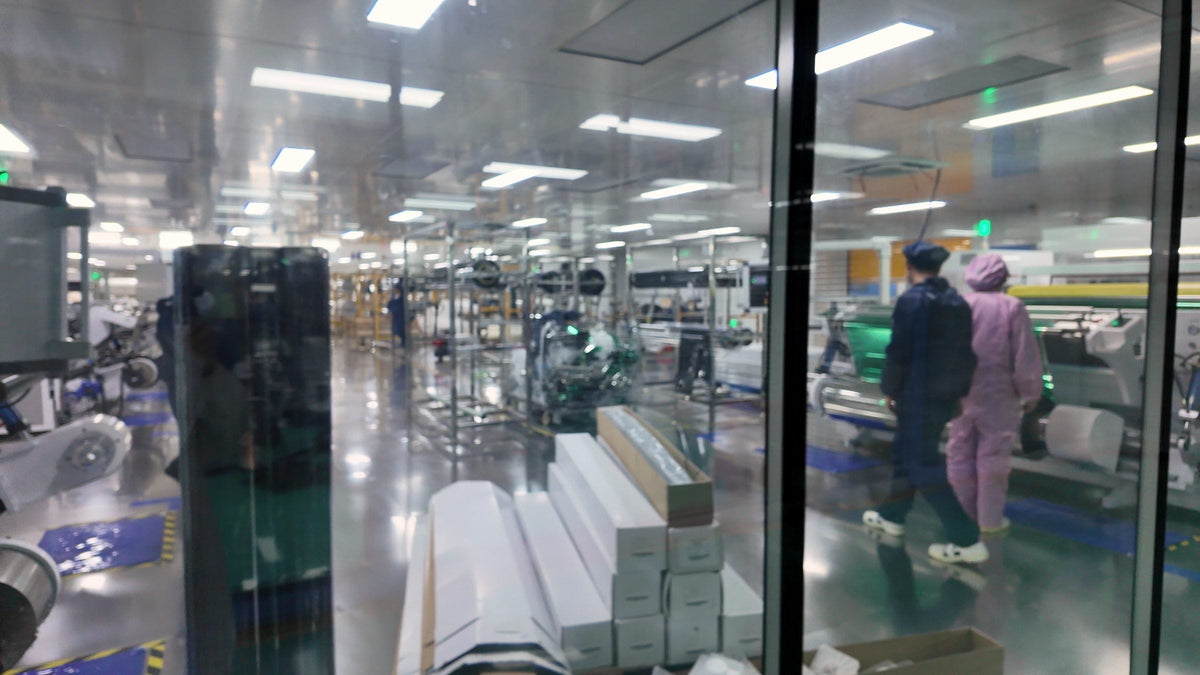
HIGHCOOL makes nano-ceramic Window Film in several VLT shades and sells it by the roll to tint shops, with consistent shade and performance from roll to roll so your installs match across a week of cars.
For Tesla work, the WV series (1.88 mil, nominal VLT 8%, 20%, 30% and 70%) and the WU UV400 series (2 mil, nominal VLT 4%, 16%, 30% and 70%) cover the sides and rear glass, both with a 7-year warranty. Where local law allows film on the windshield, KU70 is our windshield-grade nano ceramic UV400 film at 4 mil and nominal 70% VLT. We make no metallized film, so nothing in the range puts a metal layer between the car and its radios. Our windshield protection film, a separate product made to take stone chips on that big Tesla windshield, is launching soon, and shops can ask us about it now.
How dark should Tesla window tint be? Legal guidelines
Tint laws are set by each US state and Canadian province, so check the local rule before you quote. As a rough guide, most US states allow film on the windshield only along the top strip. Front side windows range from 70% VLT in states such as California and New York to around 25% to 35% in states such as Texas and Arizona. Rear side and rear windows are often allowed darker. Ceramic film lets an owner stay at the legal limit and still get good heat rejection.
Tesla Model 3 and Model Y window tinting costs
Price depends on the film, how many windows are done, and the shop. Dyed film is the cheapest. Ceramic sits in the mid to upper range. A full car with the windshield costs the most. The Model Y usually costs a little more than the Model 3 because there is more glass, and many owners ask for the roof as well. Ceramic costs more up front, but it lasts longer and performs better, which is easier to sell once the owner has sat in a tinted car on a hot day.
Preparing a Tesla for window tinting
Ask the owner to bring the car with a clean interior and personal items out of the door pockets and rear deck, and to set aside time for the cure. Glass edges and the rear window on a Model 3 or Y are curved enough that this is a job for experienced installers.
DIY vs professional tinting
DIY tint on a Tesla is possible but risky. The curved rear glass needs proper heat shrinking, the frameless windows make clean top edges harder, and the roof and windshield are large single pieces. A professional install gives clean edges, a correct shrink and a warranty.
Post-installation care for tinted Tesla windows
- Keep the windows up for 2 to 3 days while the film cures.
- Do not clean the inside of the glass for at least 72 hours.
- Use ammonia-free cleaners and a soft microfiber afterward.
- Expect a little haze or small water pockets in the first days. They clear as the film dries out.
If you tint Teslas and want to compare ceramic film shades, request free A4 Window Film samples and a quote on our contact page.
FAQ
Can you tint a Tesla Model 3 or Model Y?
Yes. All Tesla models take standard automotive window film, and ceramic film is the most common choice. Choose a shade that meets your state or provincial tint law.
Does window tint interfere with Tesla Autopilot or the phone key?
Non-metal ceramic film does not interfere with cameras, GPS, Bluetooth, cellular signal or the phone key. Metallized films can weaken signals. Keep film away from the windshield camera area.
Is it worth tinting a Tesla if the glass is already tinted?
Usually, yes. Factory glass blocks UV but lets through much of the infrared heat that warms the cabin. A ceramic film cuts that heat and glare and helps the air conditioning work less.

Share:
Car UV Protection: Selling UV-Rejecting Window Film
Best Window Tint Brands in Ontario (2026)