
Car UV Protection Guide
Yes, UV gets inside your car, mostly as UVA through the side and rear windows, and a good window film blocks nearly all of it without making the glass dark. The windshield does a much better job than the side glass. In a 2016 study in JAMA Ophthalmology, Dr. Brian Boxer Wachler measured 29 cars from 15 makers: the windshields blocked an average of 96% of UVA, the side windows only 71%, and just 4 of the 29 cars had side windows that blocked more than 90%.
For tint shops, that gap is the sale. A driver who thinks the glass already protects them has rarely seen the numbers.

UVA vs. UVB: the real threat inside vehicles
UVB causes sunburn, and ordinary car glass stops most of it. UVA goes deeper into the skin, drives long-term skin aging and adds to skin cancer risk, and it passes through untreated side glass much more easily. UVA also fades and dries out dashboards, seats and door trim over the years. Because it does not feel hot, people underestimate it, including on cloudy days.
Can UV rays penetrate car windows?
Yes. Windshields are laminated glass, with a plastic layer between two sheets that absorbs most UV. Side and rear windows are usually tempered glass without that layer, and they let far more UVA through. The Skin Cancer Foundation has published dermatologists' reports of more sun damage and skin cancer on the left side of the face and arms in US drivers, the side that faces the driver's window.
Commuters, rideshare and delivery drivers feel this most.
Window tinting for UV protection: how it works
UV blocking in window film comes mainly from UV absorbers built into the film and its adhesive, not from how dark the film is. That is why a light film can block as much UV as a dark one. Most quality automotive films are rated to block about 99% of UV, but the only number that counts is the UV rejection on the data sheet for the exact film you install.
Types of automotive window film for UV defense
| Film type | What it does well | What to watch |
|---|---|---|
| Dyed | Low cost, cuts glare | Dye can fade over time; heat rejection is limited |
| Carbon | Matte look, better heat rejection than dyed, holds its color | Fewer light shades for customers who want clear-looking glass |
| Ceramic | Strongest heat rejection, available in light shades, no metal | Higher cost per roll |
All three types can carry strong UV blocking. Where ceramic earns its price is heat rejection, especially in light shades on vehicles where local law keeps the front windows nearly clear. Check the tint rules in your state or country before you sell any shade for the front side windows or windshield.
Does UV window film affect electronics or sensors?
Non-metallic films, such as carbon and ceramic, do not block GPS, Bluetooth, cell signals or toll tags. Metallized films can. For windshields with driver-assist cameras, keep film out of the camera area and follow the vehicle maker's instructions, since that zone is calibrated through the glass.
Selling UV-rejecting film in your shop
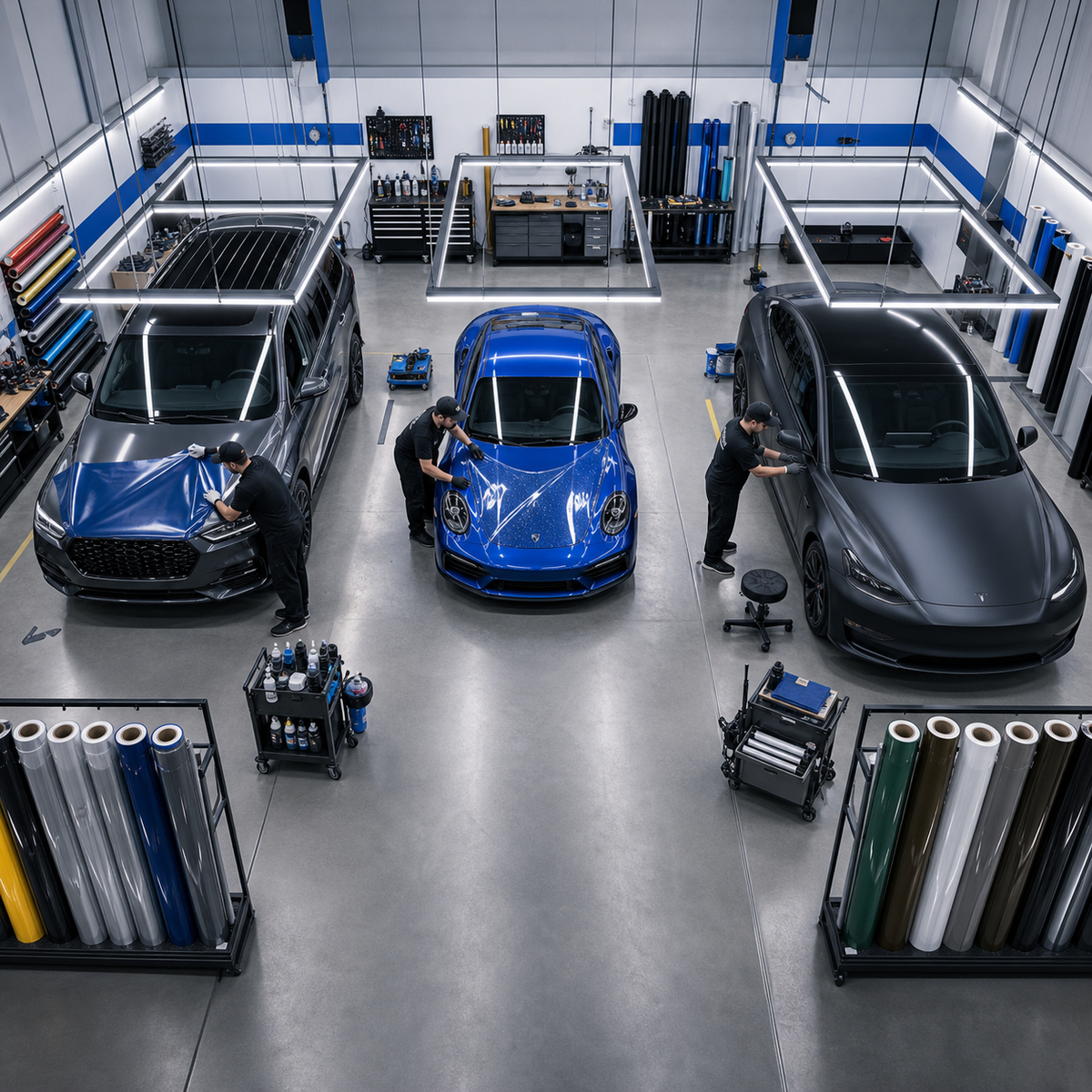
Lead with the side windows. Most customers already know about heat and privacy, and fewer know their side glass lets UVA through. A UV meter at the counter is a simple demonstration: test bare glass, then a sample piece of film, and let the customer read the difference.
Light ceramic film is the easy upsell for drivers who want a cooler cabin without a dark look. Quote UV rejection from the data sheet, not from memory.
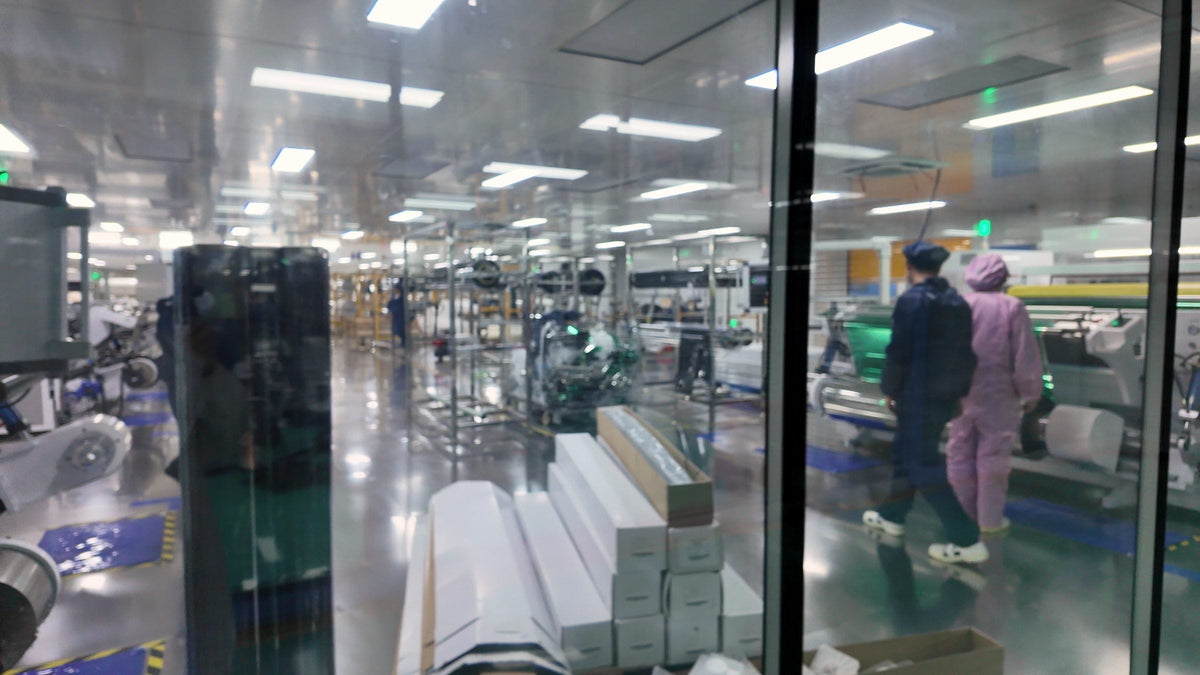
HIGHCOOL makes Window Film in its own factory in Shanghai and ships it by the roll from China. For UV work, our WU series is nano ceramic rated UV400, 2 mil, in nominal 4%, 16%, 30% and 70% VLT (WU70 is 1.88 mil), with a 7-year warranty. WU70 suits the customer who wants protection on the side glass and no visible tint. KU70 is the windshield-grade version: 4 mil, UV400, a nominal 70% VLT and also 7 years. A4 samples are free (you pay shipping), and we send a factory-direct quote within 12 business hours.
If you want to put UV-rejecting rolls on your shelf, look through the Window Film range and ask for samples of the shades you sell most.
FAQ
Can UV rays penetrate car windows?
Yes, UVA passes through most side and rear car windows. A 2016 study of 29 cars found side windows blocked only 71% of UVA on average, against 96% for windshields. That leaves drivers exposed on long drives.
Does window tint block UV radiation in cars?
Yes, quality automotive window films are typically rated to block about 99% of UV. The blocking comes from UV absorbers in the film, so a light shade can protect as well as a dark one. Check the UV rejection on the film's data sheet.
Is UV window film worth it for daily drivers?
For people who spend hours in the car, yes. It cuts UVA exposure through the side windows, slows fading of the interior and, with ceramic film, keeps the cabin cooler. Follow local tint laws for the front windows.

Share:
Home UV Protection: Residential UV Window Film
Tesla Window Tint: What Tint Shops Should Know