
Under California law, a 70% VLT film on the full windshield is not legal for most drivers. California Vehicle Code Section 26708 allows film on the windshield only in a strip along the top, or across the whole glass with a dermatologist's certificate. On the front side windows, only clear, colorless UV-blocking film is allowed, it must pass at least 88% of visible light on its own, and the glass and film together must still pass 70%. Rear side windows and the back glass can be any darkness if the car has outside mirrors on both sides.
That matters for tint shops because "70% ceramic windshield film" is one of the most common upsells in the state, and many customers believe it is legal. The driver gets the fix-it ticket, but the customer comes back to the shop that sold the job.
California Tint Law at a Glance
| Window | What the Vehicle Code allows | Notes |
|---|---|---|
| Windshield | Non-reflective strip along the top only | The strip's bottom edge must be at least 29 inches above the driver's seat (seat in its lowest, rearmost position). On most cars that works out to roughly the top 4 to 5 inches. Not red or amber. |
| Front side windows | Clear, colorless UV-A blocking film only | Film alone at least 88% VLT; glass plus film at least 70% VLT. The driver must keep a certificate naming the installer and the film manufacturer in the car. |
| Rear side windows | Any darkness | Must not reflect more glare than bare glass. |
| Back glass | Any darkness | Only if the car has outside mirrors on both the left and right sides. |
| Medical exception | Clear UV film on windshield, side and rear windows | Same 88% film and 70% combined limits, with a certificate signed by a licensed dermatologist. |
VLT means visible light transmission: a 70% VLT film lets 70% of visible light through. You can read the statute on the California Legislative Information site. A tint violation is usually a correctable offense, so the driver gets a fix-it ticket and has to remove the film and show proof.
The Net VLT Trap on Front Windows
Factory glass is not 100% clear. Many front side windows already meter somewhere around 75% to 80% before any film goes on. Put a 70% film on 80% glass and you get about 56% (0.70 x 0.80), well under the 70% limit. That is why the law sets the 88% floor for the film itself. Meter the bare glass first, then meter again after the install, and write both readings on the work order.
What This Means for 70% VLT Windshield Film
A light ceramic film on the windshield is a popular request, especially from EV and luxury car owners who want heat rejection without a dark look. In California, a full windshield install is legal only for a driver with a dermatologist's certificate, and only with clear film that meets the 88% and 70% limits. For everyone else the legal windshield product is the top strip.
If your shop does sell full-windshield film, tell the customer in writing what the law says and that the risk of a ticket is theirs. That one line on the invoice saves an argument later. The safer product to build a menu around is legal front-side clear UV film, a top strip, and well-made ceramic film on the rear sides and back glass, where any shade is allowed.
Choosing Film That Stays Legal and Looks Right
For California work, three things decide whether a film is safe to sell. The first is the real VLT of the film, measured on a meter rather than read off the box; for front sides it must be at least 88% and colorless. The second is low haze, especially at low viewing angles, because a light film that looks milky in direct sun is a safety complaint waiting to happen. The third is no metal layer, since metalized films can interfere with GPS, phone and toll transponder signals, and EV owners notice that fast.
Ask your supplier for measured VLT, haze and total solar energy rejected (TSER) figures and the test method behind them. A darker dyed film does not reject more heat just because it is darker; heat rejection depends on the film technology. The HIGHCOOL blog has more on ceramic, carbon and dyed films.
Where HIGHCOOL Fits
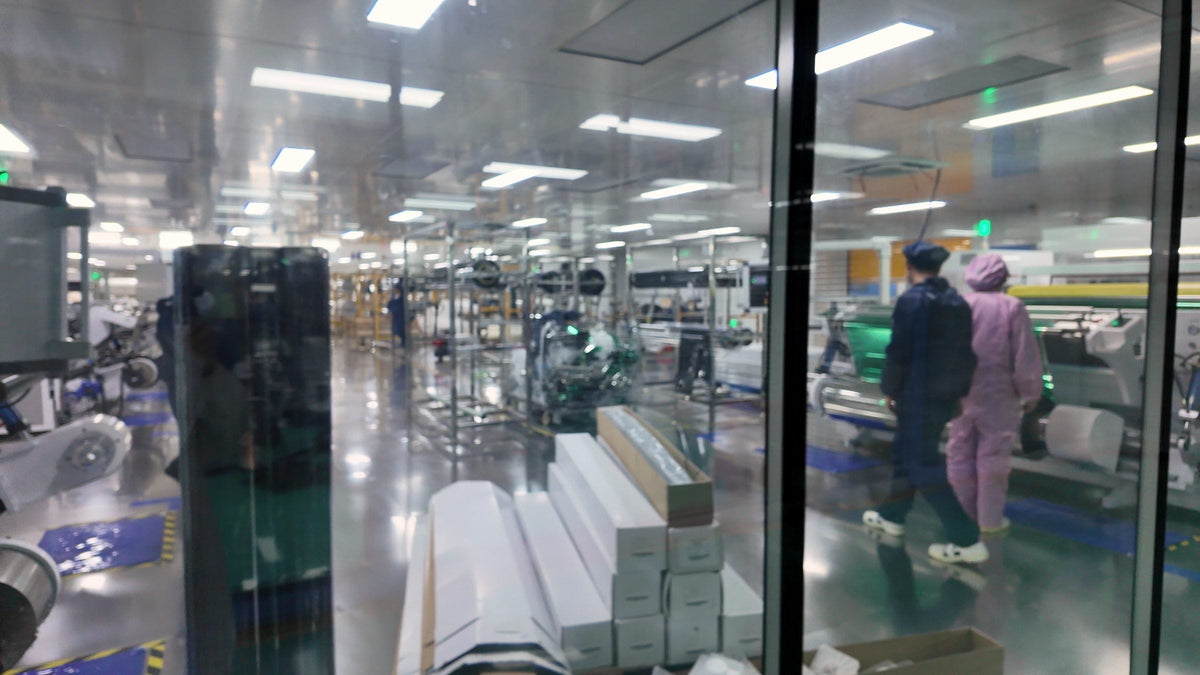
HIGHCOOL makes window film in its own 20,000 m² factory in Shanghai and sells it by the roll to tint shops and distributors, factory-direct. All of it is dyed or nano ceramic, with no metal layer. The lightest grades are WV70 and WU70 at a nominal 70% VLT, and KU70, a 4 mil windshield-grade nano ceramic UV400 film, also at 70%, with a 7-year warranty. None of them reaches the 88% the law asks for on California front side windows, and we would rather tell you that here than have you find out from a meter. They belong on rear sides and back glass, or on a windshield in states that allow it. Rolls are 60 in x 98 ft (1.52 m x 30 m), and window film ships from China. Free A4 samples go out from our US sample stock; you cover shipping. Meter a sample on your own customers' glass before you decide what goes on the front windows. Our windshield protection film, a separate product for chips rather than heat, is launching soon; ask us about it now if windshield work is a big part of your menu. Our shop page lists the film lines we make.
For California tint work, start with the window tint film collection and ask us for measured VLT on any film you plan to use on front glass.
FAQ
Is 70% tint on the windshield legal in California?
No, not for most drivers. California allows only a non-reflective strip along the top of the windshield. Film on the whole windshield is allowed only with a dermatologist's certificate, and then it must be clear UV film of at least 88% VLT.
What tint is legal on front side windows in California?
Only clear, colorless film that blocks UV-A and passes at least 88% of visible light on its own. The glass and film together must still pass at least 70%, and the driver must carry a certificate naming the installer and the film manufacturer.
How dark can rear windows be in California?
The rear side windows and back glass can be any darkness. The back glass can be tinted only if the car has outside mirrors on both sides, and no window film may reflect more glare than bare glass.

Share:
PPF Self-Healing: How It Works and Its Limits
Color PPF vs Vinyl Wrap: 7 Technical Differences for Shops