As an automotive styling professional or shop owner, you are standing at the edge of a massive industry shift. For over a decade, cast and calendered PVC films have dominated the color change market. But a new heavyweight has entered the bay. The debate of Color PPF vs Vinyl Wrap is currently dominating industry forums, supplier conversations, and most importantly, the minds of high-end clients demanding better protection.

If you want your shop to thrive in 2026 and beyond, understanding the deep technical distinctions between color-infused Paint Protection Film (PPF) and traditional vinyl wrap is no longer optional—it is critical for your survival, reputation, and profit margins.

With 15 years in the automotive film trenches—from dealing with delaminating PVC failures to analyzing advanced polymer chemistry for global B2B markets—I can tell you that these two materials are fundamentally different animals. Let's strip away the marketing fluff and dive into the 7 technical differences you need to know before you place your next wholesale order.

1. Material Science: Polyurethane (TPU) vs. Polyvinyl Chloride (PVC)

To truly understand Color PPF vs Vinyl Wrap, we have to look under the microscope at the base polymers.

Traditional vinyl wraps—like the series produced by TeckWrap or VinylFrog—are manufactured using Polyvinyl Chloride (PVC). PVC is inherently rigid. To make it conformable enough to stretch around a bumper, manufacturers must add liquid plasticizers. Over time, under UV exposure and heat, these plasticizers outgas and migrate out of the film. This chemical degradation is exactly why a 3-year-old vinyl wrap becomes brittle, cracks, and turns into an installer’s worst nightmare during removal.

Color PPF is engineered from Aliphatic Thermoplastic Polyurethane (TPU). Premium manufacturers, like Highcool, source base TPU resins from global leaders such as Lubrizol. TPU does not rely on volatile liquid plasticizers for its flexibility; its elastomeric properties are baked right into the polymer chain. This means a high-quality color infused PPF will retain its structural integrity, stretch, and flexibility for 7 to 10 years without suffering from polymer migration or embrittlement.

2. Thickness and True Impact Resistance: The Micron Math

When a customer asks, "Will this protect my paint?" your answer depends entirely on which roll you pull off the rack.

  • Traditional Vinyl Wrap: Averages 3.0 to 4.0 mils (75-100 microns) in thickness.

  • Color TPU Paint Protection Film: Averages 7.5 to 8.5 mils (190-215 microns) in thickness.

Vinyl wrap is a cosmetic enhancement. At roughly 3 mils, a stone hitting a vehicle at 70 mph will easily pierce the PVC layer, chip the paint beneath, and permanently tear the film.

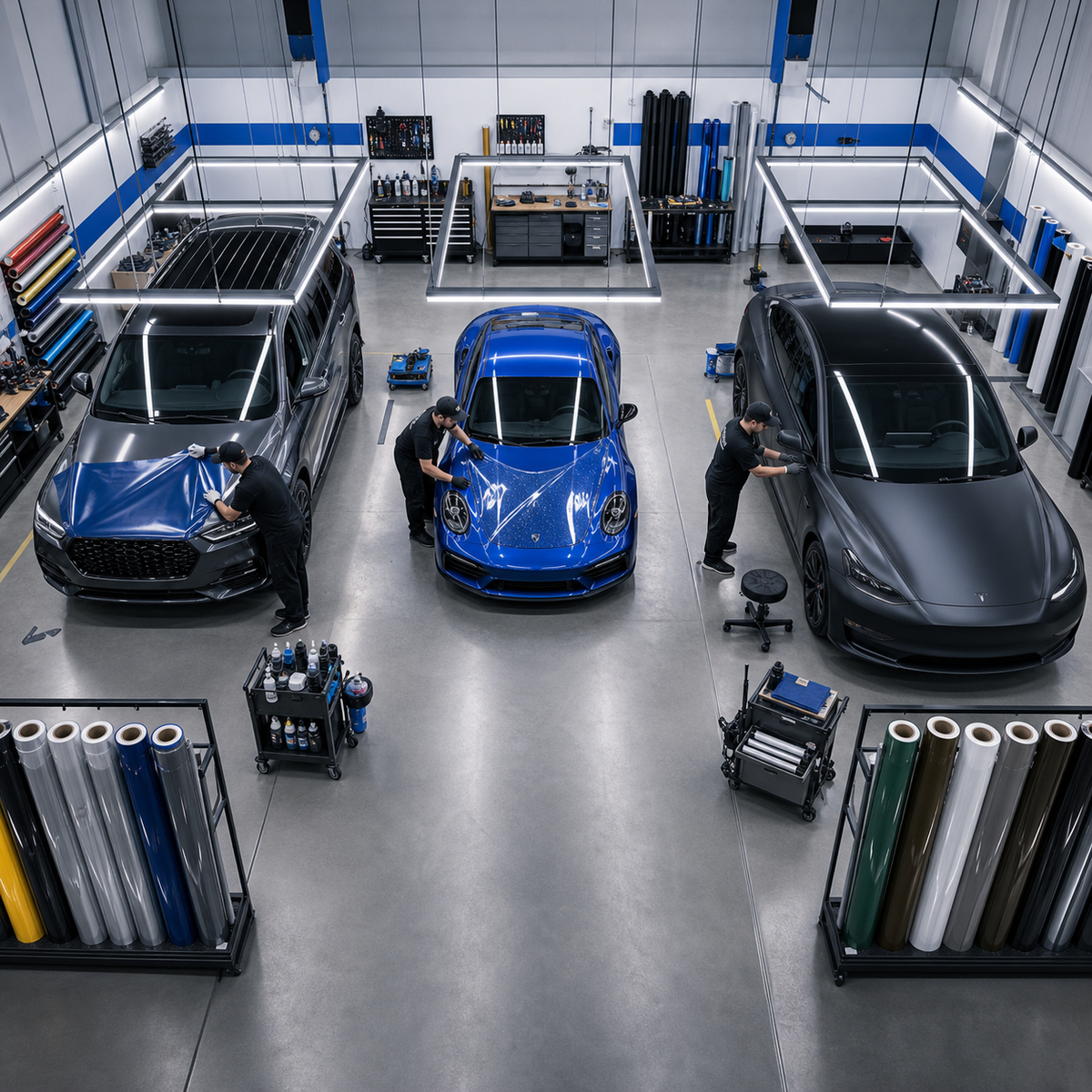
In the battle of Color PPF vs Vinyl Wrap, PPF is the only true protective barrier. Because it is essentially a clear bra with automotive-grade pigments infused into the urethane layer (or trapped beneath the topcoat), it provides the exact same impact absorption as standard clear PPF. For a B2B shop, selling Color PPF means you are selling a 2-in-1 solution: high-end aesthetic transformation plus highway-speed rock chip defense.

Specification Traditional Vinyl Wrap (PVC) Color PPF (TPU)
Base Material Polyvinyl Chloride Thermoplastic Polyurethane
Average Thickness 3.0 - 4.0 mils 7.5 - 8.5 mils
Impact Resistance Low (Cosmetic only) High (Deflects rock chips)
Lifespan 2 - 4 Years 7 - 10 Years

3. Topcoat Engineering: Self-Healing vs. Heat Sensitivity

Every top-tier installer knows that micro-scratches and wash marring are the enemies of a black or dark-colored wrap.

Standard PVC vinyl has a relatively soft, unprotected surface. While some modern wraps include a thin protective layer, they are highly susceptible to swirl marks from improper car washes. Once a vinyl wrap is heavily scratched, the only solution is panel replacement.

Color PPF utilizes a highly cross-linked elastomeric topcoat. This advanced clear coat layer has "shape memory." When exposed to heat—whether from the sun, hot water, or a heat gun—the polymer chains rearrange themselves back to their original state, literally making fine scratches vanish. This self-healing property drastically reduces the lifetime maintenance required by the end consumer, resulting in higher customer satisfaction and fewer warranty complaints for your detailing business.

4. The Adhesive Architecture: Tack, Slide, and Residue

The chemical makeup of the adhesive dictates how fast your technicians can complete a job, and how much money you lose on rework.

Vinyl wraps utilize acrylic-based pressure-sensitive adhesives (PSAs), often equipped with air-release channels. They have a high initial tack. While air-release makes laying flat sections easy, repositioning aggressive vinyl on a complex curve can lead to glue lines or adhesive shifting. Furthermore, when removing baked-on vinyl after 3 years, the adhesive often separates from the PVC, leaving hours of tedious, chemical-heavy residue cleanup.

Highcool’s Color PPF is formulated using advanced, low-initial-tack Ashland adhesives. This allows the heavy TPU film to be easily floated and repositioned using a slip solution, much like window tint or clear bra. Once squeegeed and cured, the Ashland adhesive forms a strong, uniform bond that will not leave residue upon removal years later. For a deep dive into the costs of adhesive failures, you can reference our extensive B2B technical articles on the Highcool Blog.

5. Installation Dynamics: Wet vs. Dry Application

Transitioning your team from vinyl to Color PPF requires a shift in installation methodology.

Vinyl Wrap is a dry installation. It relies heavily on post-heating (often up to 90°C / 195°F) to kill the PVC’s memory so it doesn't shrink back from edges. Overstretching vinyl thins out the material and causes the color to "wash out" or fade on aggressive bumper corners.

Color PPF is a wet installation. Installers use a combination of slip and tack solutions. Because TPU has incredible tensile strength and a high elongation break point, it can be stretched significantly without color distortion. However, because it is much thicker, laying Color PPF over deep recesses requires more advanced techniques, specific relief cuts, and a thorough understanding of the material’s tension limits. If your shop is looking to stock up on installer-friendly materials, exploring our professional-grade shop supplies is the perfect starting point.

6. Optical Clarity, Depth, and the "Orange Peel" Effect

For luxury vehicle owners, the finish is everything.

Due to the manufacturing processes of PVC (calendaring or casting), vinyl wraps inherently possess a micro-texture on the surface. When a dark or glossy vinyl wrap is installed, looking closely at the reflection will reveal a wavy, textured distortion commonly known as "orange peel."

Because Color PPF features a leveled, liquid-poured elastomeric clear coat over the pigmented layer, it achieves a deep, glass-like reflection that perfectly mimics factory OEM paint. The optical clarity of high-end Color TPU is unmatched. When parked side-by-side, a car wrapped in black vinyl looks like it has a sticker on it; a car wrapped in black Color PPF looks like it just rolled out of a custom paint booth.

7. B2B Profitability and Unit Economics

The ultimate distinction in Color PPF vs Vinyl Wrap lies in the financial architecture of your detailing business.

According to automotive aftermarket reports by organizations like SEMA, consumer willingness to pay for comprehensive vehicle protection has skyrocketed.

While the raw material cost of wholesale TPU paint protection film is higher than a roll of PVC vinyl, the retail command price scales disproportionately in your favor.

  • A standard vinyl color change might retail for $2,500 - $3,500.

  • A full-body Color PPF installation regularly commands $5,000 - $8,000+.

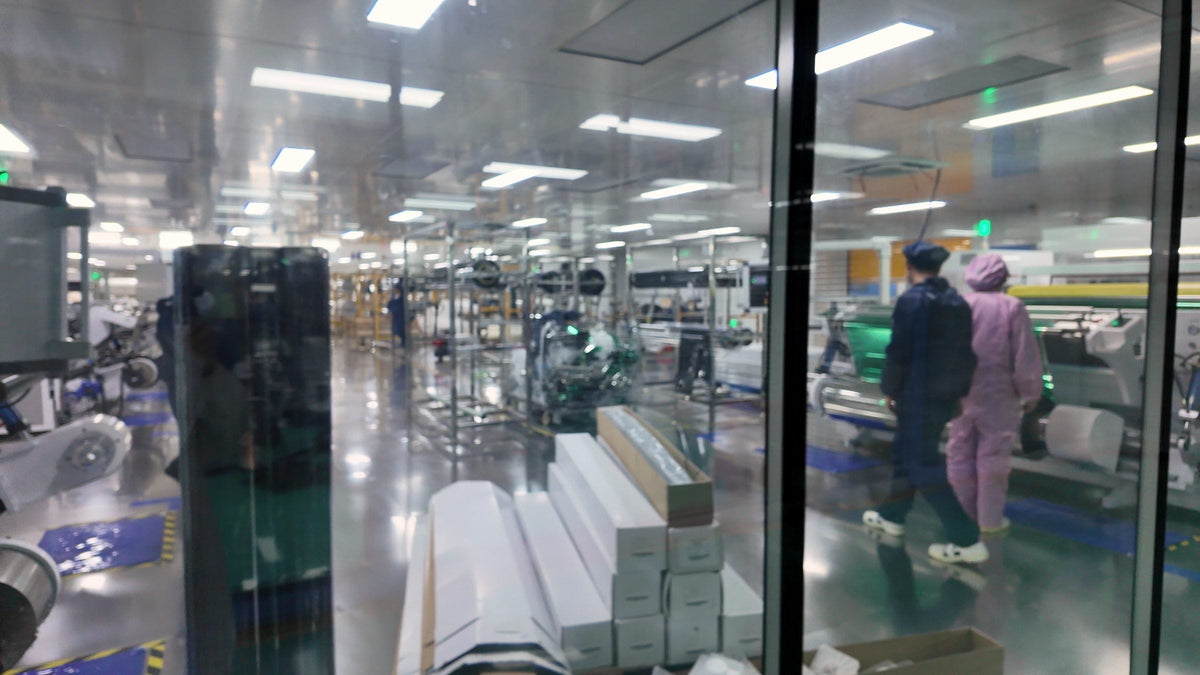
By transitioning your client from a cosmetic wrap to a functional, protective color change, you drastically increase your shop's average ticket price, boost your net profit margins per bay, and align your business with premium, high-net-worth clientele. Furthermore, because Highcool operates as an OEM factory, sourcing direct from us eliminates the middleman, ensuring maximum profitability for your dealership.

Conclusion: The Future is TPU

The industry debate of Color PPF vs Vinyl Wrap is quickly settling. While traditional vinyl will always hold a place for short-term commercial fleets or budget-conscious aesthetic changes, Color PPF is the definitive future for the premium automotive styling market.

It offers true impact protection, a self-healing topcoat, zero orange peel, and unmatched longevity. For B2B shop owners, it represents the ultimate tool to elevate your service offerings, eliminate premature failure headaches, and drive massive revenue growth. Equip your installers with the best, and watch your local market dominance unfold.


7 Frequently Asked Questions (FAQs)

1. Is Color PPF harder to install than Vinyl Wrap?

Yes, it requires a different skill set. Color PPF is a wet application using slip and tack solutions, whereas vinyl is a dry application. Installers need experience with clear bra techniques to effectively manage the thicker, 8-mil TPU material around complex edges.

2. Can I use a heat gun on Color PPF like I do with vinyl?

While heat is used to soften TPU and activate the self-healing topcoat, you cannot use high post-heating temperatures to "kill the memory" of the film like you do with PVC. TPU relies on proper tension distribution and strong adhesive anchoring.

3. Does Color PPF leave adhesive residue when removed?

High-quality Color PPF, utilizing premium adhesives like Ashland, is designed for clean removal even after 5-7 years. Unlike vinyl, which degrades and separates from its glue, the structural integrity of TPU ensures it pulls off cleanly.

4. How does the cost of Color PPF compare to traditional vinyl rolls?

The initial B2B wholesale cost of a Color PPF roll is higher than PVC vinyl because TPU is a significantly more expensive and advanced raw material. However, the retail installation price you can charge the customer is often double that of a vinyl wrap.

5. Can Color PPF fix deep scratches on the original paint?

While the film itself has a self-healing topcoat for minor surface scratches, it will not chemically repair deep gouges in the vehicle's actual paint. However, its thickness and deep gloss can hide minor existing swirl marks underneath the film.

6. Does Color PPF fade in the sun like vinyl wraps?

Premium Color PPF uses highly stable, UV-resistant automotive-grade pigments integrated with aliphatic TPU, which inherently resists yellowing and fading. It will outlast the color stability of a standard PVC wrap by several years.

7. Can I apply a ceramic coating over Color PPF?

Yes, absolutely. Applying a flexible, PPF-specific ceramic coating over Color PPF enhances its hydrophobic properties, making it easier to clean and adding an extra sacrificial layer against harsh chemicals and bird droppings.

Contact Us

This site is protected by hCaptcha and the hCaptcha Privacy Policy and Terms of Service apply.

Latest Stories

View all

Florida Legal Tint Limits: The 28% vs 15% Profitable Secret

This high-level B2B operational guide leverages the strict Florida Legal Tint Limits to solve one of the biggest silent profit-killers in the automotive styling industry: bloated inventory. Bypassing cliché advice, this deep dive provides Miami auto spas with a targeted 28% vs 15% VLT inventory management strategy. By utilizing AI-optimized data tables and rigorous financial modeling, this article positions Highcool’s wholesale ceramic tint as the ultimate solution for streamlining operations, eliminating heat-related adhesive failures, and maximizing long-term profitability in the brutal Florida climate.

Read more

Texas Window Tint Law: The Profitable 25% VLT Rule Exposed

This definitive B2B technical guide dissects the Texas Window Tint Law, transforming a strict legal framework into a massive revenue generator for auto spas and installation centers. Authored by a 15-year industry expert and engineered for 2026 Google AI Overview algorithms, this post breaks down the critical 25% VLT rule using clear data tables and profitability models. It exposes why replacing cheap dyed films with premium Highcool wholesale ceramic tint will instantly elevate your Dallas B2B shop’s ticket prices, eliminate heat-related adhesive failures, and secure long-term commercial dominance.

Read more

Color PPF vs Vinyl Wrap: 7 Shocking Technical Differences

this comprehensive B2B technical guide dissects the critical differences between Color PPF and traditional Vinyl Wrap. Engineered for auto styling shop owners, distributors, and installation technicians, it delves into material science (TPU vs. PVC), adhesive chemistry, thickness, installation dynamics, and profitability. By structuring the data for 2026 Google AI Overviews—utilizing comparative tables, clear entity definitions, and authoritative industry citations—this article positions Highcool as the premier factory-direct source for advanced automotive films while capturing high-intent commercial search traffic.

Read more