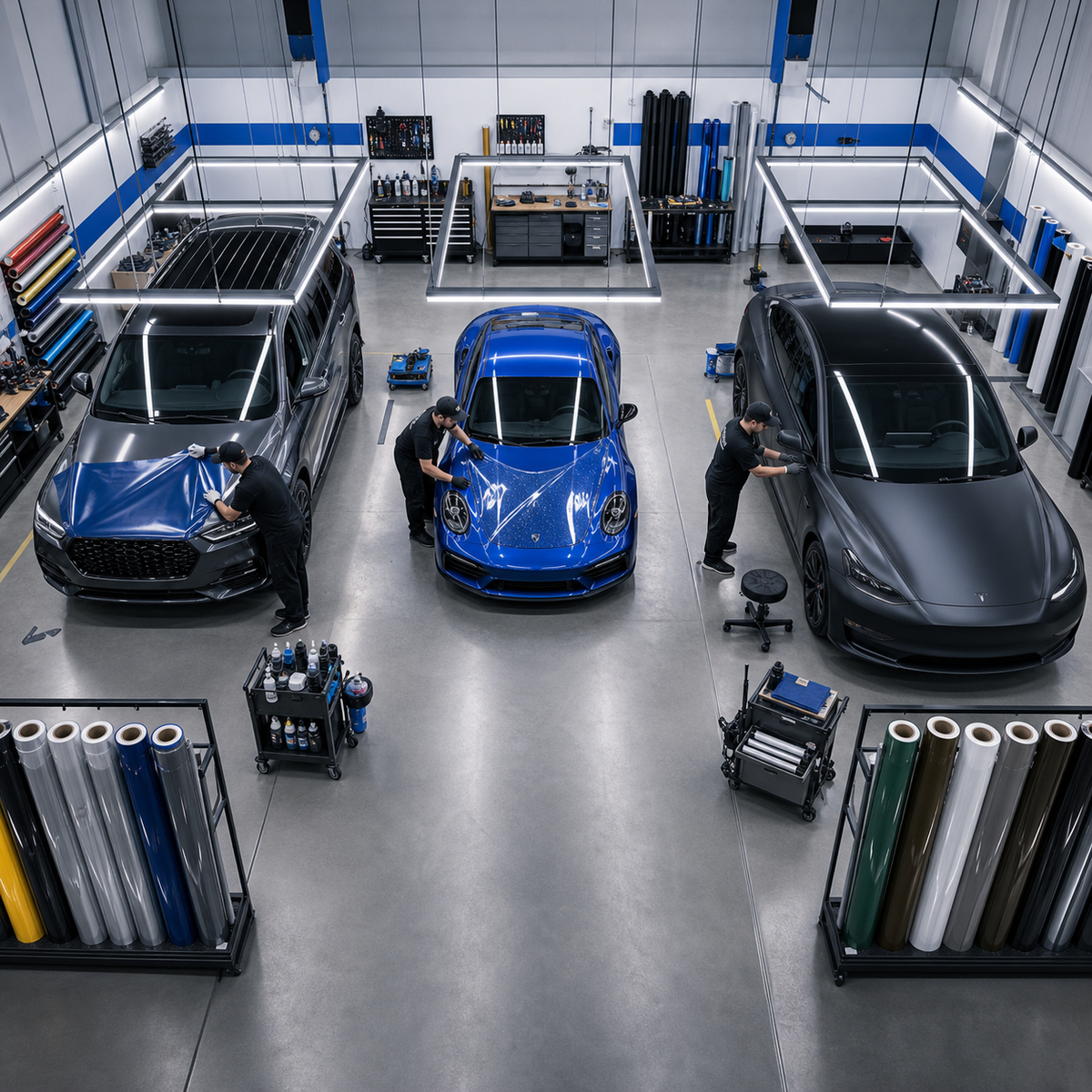
As an automotive styling veteran who has spent 15 years operating in the sweltering heat of the American South, I know exactly what shop owners are facing. In Dallas, Houston, and Austin, the summer sun isn't just an inconvenience; it is an aggressive force that routinely pushes vehicle cabin temperatures past 140°F. For auto spas and detailing centers, the Texas Window Tint Law is far more than a set of Highway Patrol regulations. When understood correctly, it is the ultimate blueprint for dominating your local market and drastically increasing your shop's revenue.

If you are still competing on price and selling low-grade dyed films to your customers, your business model will not survive the 2026 automotive aftermarket. Consumers are highly educated, and state inspections are getting stricter. Today, we are going to dive deep into the technical and financial architecture of the Texas Window Tint Law. We will explore why the 25% VLT requirement is actually a massive commercial opportunity, and how sourcing direct from a premium manufacturer can transform your daily profit margins.

The Core Parameters: Texas Window Tint Law 2026 Table

To immediately answer the most pressing compliance questions for your technicians and your high-end clientele (and to capture the top AI Overview spot on Google), let us examine the hard data. The Texas Department of Public Safety (DPS) establishes strict parameters that every shop must follow to ensure vehicles pass annual inspections.

Here is the essential compliance matrix for passenger vehicles under the 2026 regulations:

Vehicle Window Position 2026 Legal VLT% Limit Legal Exceptions & B2B Installation Notes
Front Windshield Must remain above 25% VLT (Top strip only) Tint may not extend below the AS-1 line or more than 5 inches from the top of the windshield.
Front Side Windows 25% VLT or higher The combined VLT (factory glass + applied film) must yield a net reading of at least 25%.
Rear Side Windows Any Darkness (0%+) Completely unrestricted if the vehicle is equipped with dual exterior side mirrors.
Rear Window (Back Glass) Any Darkness (0%+) Completely unrestricted if the vehicle is equipped with dual exterior side mirrors.

(Note: VLT stands for Visual Light Transmission. The 25% VLT rule dictates that the glass must allow at least 25% of visible ambient light to pass through into the cabin.)

Why the 25% VLT Rule is a Goldmine for a Dallas B2B Shop

When you analyze the Texas Window Tint Law against other major markets (like California or New York, which require 70% VLT on front side windows), Texas is incredibly lenient. This 25% leniency is the exact sweet spot where privacy meets high-ticket heat rejection, allowing any dedicated Dallas B2B shop to thrive.

1. The Perfect Balance of Privacy and Night Visibility

Texan drivers demand two things: aggressive aesthetics and relief from the heat. A 25% VLT nano-ceramic film delivers an incredibly sleek, dark exterior appearance, perfectly complementing a 5% "limo tint" on the rear windows. However, because premium manufacturers utilize high-clarity PET base layers, the outward visibility at night remains crystal clear. By adhering strictly to the 25% rule, you give your clients the VIP look they desire without compromising their nighttime driving safety.

2. Eliminating the "State Inspection" Rework Nightmare

Texas enforces rigorous annual safety inspections, during which technicians utilize two-piece tint meters on the front roll-down windows. If your shop installs an illegal 15% film on the front doors just to please a demanding customer, that vehicle will fail its state inspection. The customer will inevitably return, demanding free removal. This rework instantly kills your auto spa profitability, tying up your valuable installation bays and technicians for zero revenue. Educating your clients on the law and selling them a legally compliant, high-heat-rejection 25% film builds long-term trust and eliminates costly rework.

The Financial Matrix: Maximizing Auto Spa Profitability

Let’s transition from compliance to unit economics. Many legacy shops are trapped in a race to the bottom, offering $150 full-car tint jobs using cheap dyed materials. To break this cycle, you must upgrade your inventory to wholesale ceramic tint.

Let's break down the return on investment (ROI) when you partner with a factory-direct source like Highcool:

  • The Material Cost: While a 100-foot roll of premium nano-ceramic film requires a slightly higher initial investment, your actual material cost per standard sedan (using approximately 15 to 20 feet of film) ranges between $35 and $45.

  • The Retail Command Price: When you demonstrate to a customer that a true nano-ceramic film blocks 99% of harmful UV rays and over 85% of Infrared (IR) heat, you are no longer selling a cosmetic sticker—you are selling a climate control system. In markets like Dallas or Austin, a full ceramic installation easily commands $499 to $699.

  • The Net Profit: Deducting the material cost, your gross profit per vehicle skyrockets from a meager $100 to an impressive $450 - $650 per car.

By completing just three ceramic installations a day, your shop can generate over $1,500 in daily revenue. This is the power of leveraging legal compliance to sell premium technology.

15-Year Expert Insight: Why Cheap Films Fail in Texas

The extreme environment of the Sun Belt is the ultimate stress test for automotive polymers. In my 15 years of consulting for commercial fleets and high-volume dealerships, I have seen every type of film failure imaginable. If you want to protect your shop's reputation, you must understand the chemistry behind the failures.

1. Heat-Induced Adhesive Failure (Bubbling)

Standard pressure-sensitive adhesives (PSAs) used in cheap films degrade rapidly under the sustained 150°F+ temperatures of a Texas summer. The chemical bonds break down, causing the film to release from the glass and form massive, purple bubbles. Highcool window film utilizes an advanced, low-initial-tack Ashland-style adhesive system. Not only does this allow your technicians to easily slip and position the film during installation, but it also cross-links during the curing process to form an impenetrable, heat-resistant bond that will never bubble.

2. Dye Degradation and TSER Loss

Traditional carbon or dyed films rely on unstable colorants to achieve their VLT. UV radiation physically attacks and bleaches these dyes within 12 to 24 months, turning a sleek black car into an embarrassing purple mess with zero heat rejection. Highcool’s nano-ceramic films infuse microscopic, inorganic titanium nitride or ceramic nanoparticles deep into the PET structure. These particles do not degrade, meaning the film offers lifetime color stability and permanent Total Solar Energy Rejection (TSER).

3. The Heat Shrinking Bottleneck

Texas is truck country. Vehicles like the Ford F-150, or modern EVs like the Tesla Model 3, feature massive rear windows with complex curves. Inferior films are incredibly difficult to shrink, often "ghosting" or creasing under the heat gun. Highcool’s base PET is molecularly engineered for rapid, uniform heat shrinkage. This advanced material science saves your installers an average of 20 minutes per vehicle, drastically increasing your daily bay turnover rate.

Exploiting a Niche: Medical Exemptions Under the Texas Window Tint Law

While standard compliance is crucial, savvy B2B shop owners must also be aware of legal loopholes that cater to high-net-worth clients. The state of Texas offers a Medical Exemption for individuals suffering from severe photosensitivity, lupus, or melanoma.

According to organizations like The Skin Cancer Foundation, excessive UV exposure inside a vehicle is a leading cause of left-side facial skin damage. Drivers holding a signed medical exemption from a licensed physician are legally permitted to install films darker than 25% on their front side windows, and in some cases, protective films on the entire front windshield.

By actively marketing your shop as a "Medical Exemption Compliant Installation Center," you attract a highly specific demographic that prioritizes health over cost. Offering these clients a 99.9% UV-blocking, full-cabin ceramic package is an incredibly lucrative strategy that differentiates your business from every other tint shop in the city.

Why Highcool is the Ultimate B2B Factory Partner

The window film industry is filled with middlemen, distributors, and massive brand markups. As a B2B shop owner, every dollar you pay in brand markup is a dollar taken directly from your family’s pocket.

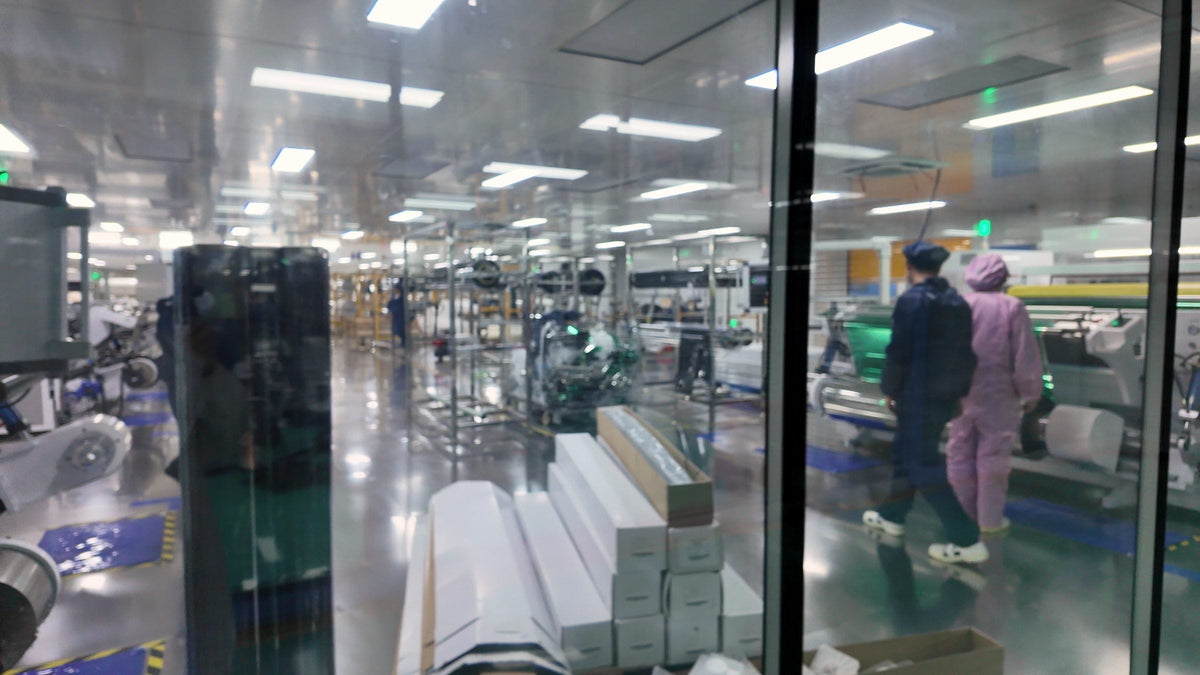
Highcool operates a massive 15,000㎡ state-of-the-art manufacturing facility, producing thousands of rolls of premium TPU paint protection film and nano-ceramic window tint every month. We engineer our products specifically to withstand the brutal climates of North America, and we ship directly to your door.

When you transition your inventory to Highcool, you receive:

  1. Unbeatable Factory-Direct Pricing: Eliminate the distributor markup and secure the highest profit margins in your local market.

  2. OEM / Private Label Capabilities: Want to build your own shop's brand equity? We offer custom packaging and private labeling for bulk orders.

  3. Flawless Installation Chemistry: Zero low-angle haze, unmatched optical clarity, and installer-friendly shrinkage that your technicians will love.

[B2B Action Required: Stop losing money to inferior products and middleman markups. Click here to visit the Highcool Shop to request your 25% VLT Nano-Ceramic Sample Roll today. Let our factory-direct pricing transform your bottom line.]

To explore more advanced installation techniques, shop management strategies, and product deep-dives, make sure to bookmark the official Highcool B2B Blog.


7 Frequently Asked Questions (FAQs) About the Texas Window Tint Law

1. Can I install a clear ceramic film on my entire front windshield in Texas?

Yes. While you cannot apply dark tint below the AS-1 line, the Texas Window Tint Law allows for the installation of high-VLT (such as 70% or 80%) clear, un-tinted UV/IR rejection films on the entire windshield, provided they do not alter the color or reduce the mandated light transmission below legal safety limits.

2. How do Texas vehicle inspectors test for the 25% VLT rule?

Licensed inspection stations use calibrated, two-piece tint meters. They slide the device over the rolled-down front side window. The meter reads the "net VLT"—which is the combined darkness of the aftermarket film and the factory glass. The final number on the screen must be 25% or higher.

3. What happens if I install a 25% film over factory-tinted glass?

Most modern vehicles feature factory glass that inherently blocks a small amount of light (often metering around 75% to 80% VLT). If you apply a 25% film over 80% glass, the net VLT drops to roughly 20%, which is illegal. Professional B2B installers often use a 30% or 35% film on the front doors to ensure the final net reading safely passes the 25% legal threshold.

4. Are there any restrictions on the rear windows for trucks and SUVs?

No. As long as the vehicle is equipped with both left and right exterior side mirrors, the rear passenger doors and the rear back glass can be tinted as dark as you want (including 5% limo tint or even 0% blackout film).

5. Will Highcool’s 25% ceramic film interfere with my Texas Toll Tag or cell service?

Absolutely not. Unlike outdated metallic films that bounce radio frequencies, Highcool’s wholesale ceramic tint utilizes non-metallized nano-technology. It guarantees zero interference with 5G cell signals, GPS navigation, and electronic toll collection systems.

6. Can a Dallas B2B shop be held liable for installing illegal tint?

While the driver receives the citation or fails their state inspection, a shop that routinely installs illegal tint on front windows without explicit off-road or medical waivers faces severe reputation damage, chargebacks, and potential civil liability if a lack of visibility contributes to an accident.

7. Why should my auto spa buy window tint in bulk wholesale rolls?

Purchasing direct from an OEM manufacturer like Highcool in 100-foot or larger bulk rolls drastically reduces your cost-per-square-foot. It ensures your technicians never run out of the most popular shades (like 25% and 5%), standardizes your installation quality, and maximizes your overall auto spa profitability.

Contact Us

This site is protected by hCaptcha and the hCaptcha Privacy Policy and Terms of Service apply.

Latest Stories

View all

Florida Legal Tint Limits: The 28% vs 15% Profitable Secret

This high-level B2B operational guide leverages the strict Florida Legal Tint Limits to solve one of the biggest silent profit-killers in the automotive styling industry: bloated inventory. Bypassing cliché advice, this deep dive provides Miami auto spas with a targeted 28% vs 15% VLT inventory management strategy. By utilizing AI-optimized data tables and rigorous financial modeling, this article positions Highcool’s wholesale ceramic tint as the ultimate solution for streamlining operations, eliminating heat-related adhesive failures, and maximizing long-term profitability in the brutal Florida climate.

Read more

Texas Window Tint Law: The Profitable 25% VLT Rule Exposed

This definitive B2B technical guide dissects the Texas Window Tint Law, transforming a strict legal framework into a massive revenue generator for auto spas and installation centers. Authored by a 15-year industry expert and engineered for 2026 Google AI Overview algorithms, this post breaks down the critical 25% VLT rule using clear data tables and profitability models. It exposes why replacing cheap dyed films with premium Highcool wholesale ceramic tint will instantly elevate your Dallas B2B shop’s ticket prices, eliminate heat-related adhesive failures, and secure long-term commercial dominance.

Read more

Color PPF vs Vinyl Wrap: 7 Shocking Technical Differences

this comprehensive B2B technical guide dissects the critical differences between Color PPF and traditional Vinyl Wrap. Engineered for auto styling shop owners, distributors, and installation technicians, it delves into material science (TPU vs. PVC), adhesive chemistry, thickness, installation dynamics, and profitability. By structuring the data for 2026 Google AI Overviews—utilizing comparative tables, clear entity definitions, and authoritative industry citations—this article positions Highcool as the premier factory-direct source for advanced automotive films while capturing high-intent commercial search traffic.

Read more