
If you wrap cars for a living, get this material choice right. Cast and calendered vinyl are made two different ways, and that difference decides whether a job looks right in three years or peels off a bumper in three months.
Calendered vinyl is squeezed. The PVC is rolled and stretched between hot rollers into a sheet, like dough through a pasta machine. Because it was stretched to get thin, it wants to go back. Heat it on a curved panel and it remembers. Over months, it shrinks back toward its original shape, lifting at edges and recesses.
Cast vinyl is poured. Liquid PVC is cast onto a carrier sheet and cured flat, so it never gets stretched into shape. It has no memory to fight. That is why cast is thinner, more conformable, and dimensionally stable for years. It lays into deep contours and stays there. A good cast film carries a 5 to 7 year outdoor rating. Calendered often lists 3 to 5, and on a curvy car the real-world number is shorter.
Price is why calendered still exists. It is cheaper, and for flat or gently curved surfaces, like a fleet van's flat door panel or a short-term promotional graphic, it does the job fine. Wrapping a full color change over a compound-curved hood with calendered vinyl is asking for a callback.
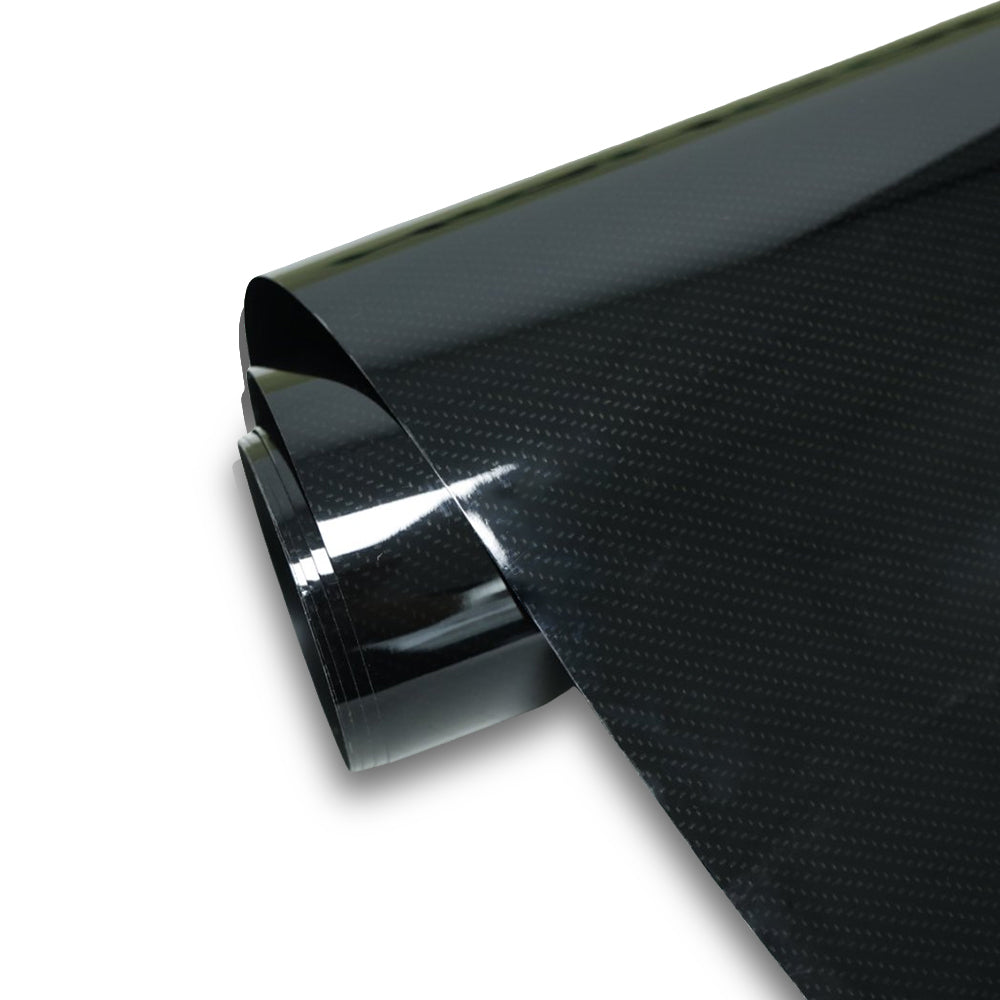
Our color-change wrap line is cast, built for full-vehicle work that has to survive sun, wash cycles, and edge stress. We run air-release channels in the adhesive so your installers get the film down without bubbles, and the topcoat holds gloss instead of chalking out in a year. If the customer wants the color to protect the paint at the same time, quote color-change PPF instead of vinyl and charge for the upgrade.
Blunt take: on a customer's car, every cheap calendered roll is a bet against your own reputation. The film saves a little. The redo costs a lot.
Once the grade is settled, the next question is finish. Our car wrap finish guide covers gloss, satin, matte and chrome and which ones your installers will fight.
We do not send free vinyl samples, but we will send the full color range, cast film specs, and install photos so you can spec the right grade. Ask for the color range and a wholesale quote.
FAQ
What is the difference between cast and calendered vinyl?
Cast vinyl is poured as a liquid and cured flat, so it stays put on curves for years. Calendered vinyl is stretched between rollers, so it has memory and shrinks back over time, lifting at edges.
Which vinyl is best for a full car wrap?
Cast vinyl. It is thinner, more conformable, and dimensionally stable, with a 5 to 7 year outdoor rating. It handles the compound curves of a car body far better than calendered film.
Is calendered vinyl ever worth using?
Yes, for the right job. It is cheaper and works well on flat or lightly curved surfaces like fleet panels and short-term graphics. It is a poor choice for a full color change on a curvy vehicle.


Share:
Ceramic vs Dyed vs Carbon Window Tint: What Tint Shops Should Stock
Does PPF Yellow? Why Cheap Film Fails and What Shops Should Stock