
Three tint types cover almost every job that rolls into a shop: dyed, carbon, and ceramic. They can look identical on the glass. Under the sun they behave nothing alike. Use the difference to price and pitch each one right.
Dyed film is the entry tier. A layer of dye in the film absorbs some light, which cuts glare and gives privacy for a low price. That is the whole pitch. It blocks little real heat, and cheap dye fades. You've seen the purple back windows on old cars. That's dyed film breaking down under UV. It has a place as a budget option, but be honest about what it is.
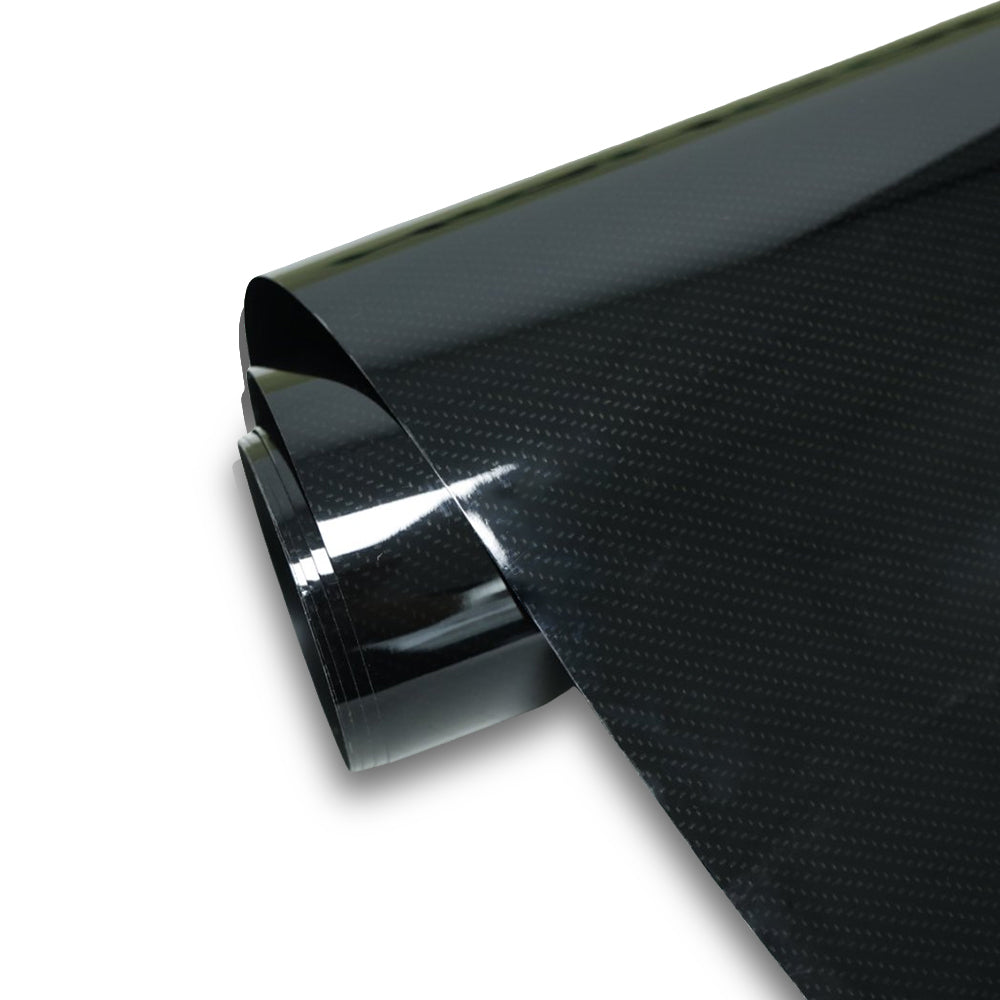
Carbon film is the middle, and it's the tier most shops should push hardest. Carbon particles replace the dye, so it holds its dark color without fading to purple, and it blocks noticeably more heat than dyed. It's a matte black look customers like. It won't match ceramic on infrared heat rejection, but for the money it's the value sweet spot, and it doesn't interfere with signals.
Ceramic film is the top. Ceramic nanoparticles block a large share of infrared heat and up to 99 percent of UV, without going dark and without blocking phone, GPS, or radio signals the way old metallic films did. This is what a customer feels: they can run a lighter, legal shade and still keep the cabin cooler. It costs more because the material costs more. For hot climates and premium cars, it's an easy sell once you let someone sit in a heat-lamp demo.
The ladder is simple. Dyed for a tight budget or a quick privacy job. Carbon for most daily drivers who want color that lasts. Ceramic for anyone who actually cares about heat, or drives a car worth the upgrade. Stock all three and you've got an answer for every customer instead of one.
On any tier, fade resistance and heat numbers only mean something if the film is built to spec. That's the part a factory controls, and it's the part cheap importers cut.
If you are working out whether the ceramic upgrade pays for itself on your ticket, we ran the numbers in is ceramic tint worth it. For what to keep on the shelf, see the 2026 window tint brands guide.
Compare our dyed, carbon, and ceramic tint specs and grab a free tint sample on the wholesale and samples page.
FAQ
What's the difference between ceramic and carbon tint?
Carbon tint uses carbon particles for a fade-resistant dark color and decent heat rejection at a mid price. Ceramic uses nanoparticles that block far more infrared heat and up to 99 percent UV, at a higher cost. Ceramic keeps the cabin cooler at a lighter shade.
Is dyed window tint worth it?
Only as a budget option. Dyed film gives privacy and glare control cheaply but blocks little heat and can fade to purple over time. For color that lasts and real heat control, step up to carbon or ceramic.
Which tint blocks the most heat?
Ceramic. Its nanoparticles reject the most infrared heat while staying signal-friendly and light in shade. Carbon is a solid middle, and dyed blocks the least. For hot climates, ceramic is the clear pick.


Share:
PPF Price Guide for Shops: What to Charge and Why
Cast vs Calendered Vinyl Wrap: Why It Matters for Wrap Shops