
Top 7 Window Tint Brands in 2026: A B2B Installer's Honest Comparison
Window tint brands are easy to compare on marketing claims and harder to compare in a working tint bay. Installers care about more than logos. They care about shrink behavior, adhesive feel, optical clarity, warranty support, customer recognition, reorder consistency, margin, and whether the brand helps them win profitable jobs.
This 2026 comparison is written for B2B installers, tint shops, mobile businesses, and distributors. It is not a fan list. It is a practical look at how different brand types fit different business models. The best brand for a luxury retail shop may not be the best brand for a dealership program, factory-direct distributor, or mobile startup trying to protect cash flow.

How Installers Should Compare Window Tint Brands
A good installer comparison should include product performance, installation behavior, business support, and margin structure. A film can look impressive on a heat lamp demo but still frustrate installers if it shrinks unpredictably or has inconsistent adhesive behavior.
Installers should ask five questions. Does the film install cleanly? Does it look optically clear after curing? Does the brand offer the shades customers actually request? Can the shop reorder consistently? Does the pricing structure support profit?
Top 7 Window Tint Brands and Brand Types
1. 3M
3M is one of the most recognized names in automotive film. Its official Ceramic IR Series highlights infrared rejection, UV rejection, and a metal-free design. For installers, the strength is brand recognition and customer trust. The challenge is that premium brand positioning can come with higher acquisition cost and tighter channel expectations.
2. LLumar
LLumar has a strong professional installer presence and broad film lineup. Its official ceramic tint page describes nano-ceramic heat reduction, UV protection, glare reduction, and multiple product tiers. For established shops, LLumar can be a strong credibility brand. For price-sensitive B2B buyers, the question is whether the channel model fits their margin goals.
3. XPEL
XPEL has strong recognition in paint protection film and automotive protection. Its automotive window tint lineup is positioned around comfort, UV protection, and dealer support. XPEL can fit shops that already sell PPF and want a premium bundled protection story.
4. SunTek
SunTek offers carbon and ceramic options and positions its products around heat rejection, UV defense, appearance, and warranty support. Its Carbon Series and ceramic pages are useful references for installers comparing mid-to-premium product categories.
5. Huper Optik
Huper Optik is known for ceramic technology and optical performance. Its official pages describe nano-ceramic constructions and technical specifications. For shops that sell premium heat rejection and low-reflective performance, it can be a strong fit, but buyers should evaluate local availability, installer support, and pricing.
6. Global and Regional Professional Film Brands
Many shops use regional professional film brands that may not have the same consumer recognition as 3M or XPEL but can offer practical installer value. These brands can be attractive when they provide stable quality, good pricing, and reliable distribution. The key is testing, not guessing.
7. HIGHCOOL
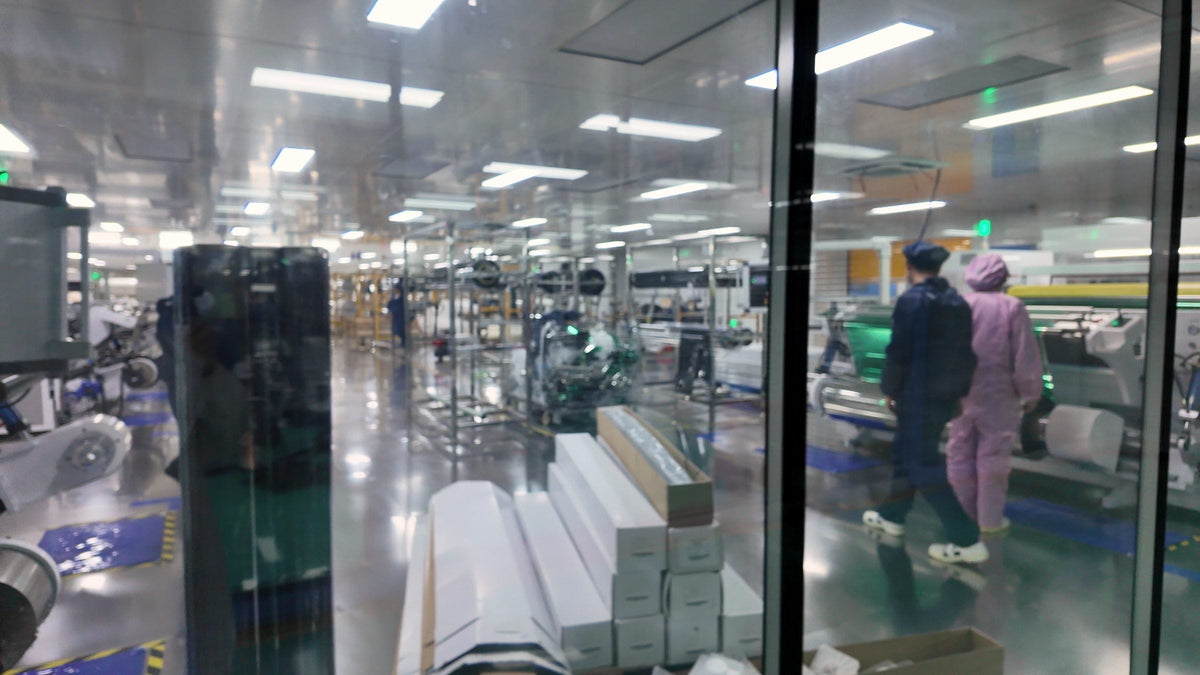
HIGHCOOL fits a different B2B lane: factory-direct sourcing, wholesale support, product range, and margin flexibility. For installers and distributors who want Automotive Window Tint, Nano Ceramic Solar Car Window Tint Film, OEM/private-label conversations, and practical roll supply, HIGHCOOL is designed to support business buyers rather than only consumer brand recognition.
Where HIGHCOOL Fits for B2B Buyers
HIGHCOOL is especially relevant for shops that care about cost per car, roll consistency, samples, packaging, and flexible sourcing. A premium retail shop may use a famous consumer brand to close high-ticket walk-ins. A distributor or dealership-focused installer may care more about landed cost, reorder speed, and private-label flexibility.
This is where HIGHCOOL can be part of the conversation. It gives buyers a way to compare product performance and supply economics together. Related internal links include Wholesale, Contact Us, and Ceramic vs Regular Window Tint.
Installer Comparison Table
| Brand | Best Fit | B2B Watchout |
|---|---|---|
| 3M | Premium recognition | Higher cost and channel structure |
| LLumar | Established professional shops | Dealer model may not fit every buyer |
| XPEL | PPF and premium protection bundles | Premium positioning requires strong sales process |
| SunTek | Broad tint lineup | Compare exact series, not just brand name |
| Huper Optik | Ceramic performance positioning | Evaluate local support and pricing |
| Regional pro brands | Value-focused shops | Quality verification is essential |
| HIGHCOOL | Factory-direct B2B sourcing | Best for buyers who value supply economics and direct support |
FAQ
What is the best window tint brand in 2026?
There is no single best brand for every shop. The best choice depends on customer type, pricing model, installer preference, warranty expectations, and sourcing strategy.
Are famous brands always better for installers?
Not always. Famous brands help with customer trust, but shops also need margin, reorder reliability, and installer-friendly film.
Why should B2B buyers consider factory-direct tint?
Factory-direct sourcing can improve cost control, private-label flexibility, and bulk-order planning when quality and support are verified.
How should a shop test a new tint brand?
Install samples on real vehicles, compare optical clarity, shrink behavior, adhesive feel, customer appearance, and post-cure results.
Where does HIGHCOOL fit in the market?
HIGHCOOL is positioned for B2B buyers who want automotive tint, ceramic options, wholesale support, and factory-direct sourcing rather than only consumer-facing brand recognition.

Share:
100ft Ceramic Tint Roll Cost: Wholesale Buying Guide
Police and Security Vehicles: How Shops Should Approach 5% Limo Tint Contracts