
The car areas that need PPF first are the front bumper, the hood and front fenders, the side mirror caps, the panels behind the wheels, and the rocker panels. Those five take most of the stone chips, grit and scuffs on a daily driver, so they are where a partial PPF job pays off before a full-body wrap.
That order also matches what most customers can afford. A full front plus mirrors and rockers costs a fraction of a full car, and it covers the paint they would otherwise touch up every year.

What Is Paint Protection Film & How HIGHCOOL PPF Works
Paint protection film is a clear thermoplastic polyurethane (TPU) film laid over the painted panels. When a stone hits, the film takes the mark and the paint under it stays intact. HIGHCOOL PPF has a self-healing topcoat, so light scratches and wash swirls flatten out with heat from the sun or warm water. It comes in gloss and satin, and on a good install you cannot see the edge from a normal standing distance.
Top 5 Areas to Prioritize with HIGHCOOL PPF
1. Front bumper
The bumper is the first thing to meet gravel, bugs and highway grit. Look at any bumper after a few years of highway driving and you will see a spray of small white chips low on the face. Film here stops that, and it saves a respray on a part that is hard to color-match.
2. Hood and front fenders
Debris thrown up by the car in front lands on the leading edge of the hood and the tops of the fenders. In winter, road salt and sand do the same. Most shops sell a "partial front" that covers the first part of the hood and fenders, and a full hood and fenders for owners who do not want a visible line.
3. Side mirror caps
Mirror caps sit out in the airflow and get brushed in tight garages, car washes and parking lots. They are small and cheap to cover, and the owner looks at them every time they get in. A chipped mirror cap is the kind of flaw a customer notices before anything else.
4. Panels behind the rear wheels
The tires throw water, mud, tar and small stones at the lower rear quarter, just behind the wheel arch. Over a few winters the paint there gets sandblasted. Film keeps the panel clean and makes tar easier to wash off without a solvent that could harm the clear coat.
5. Rocker panels
Rockers sit low, so they catch splash, salt and road debris along their whole length. They also get scuffed by shoes when people get in and out. This damage is low and easy to miss, and it is expensive to fix properly, because rockers are long and often need blending into the doors.
What owners get from PPF on these areas
- Chips go into the film instead of the paint, and a damaged section can be replaced without touching the paint.
- Light scratches and swirl marks heal with heat, so the film keeps its gloss or satin look between details.
- Road grime, tar and bugs come off more easily on the topcoat than on bare clear coat.
- The original paint stays original, which helps when the car is sold or a lease is returned.
Installation tips & best practices for PPF owners
- Start with the five areas above, then add the full front, door edges or door-cup areas if the budget allows.
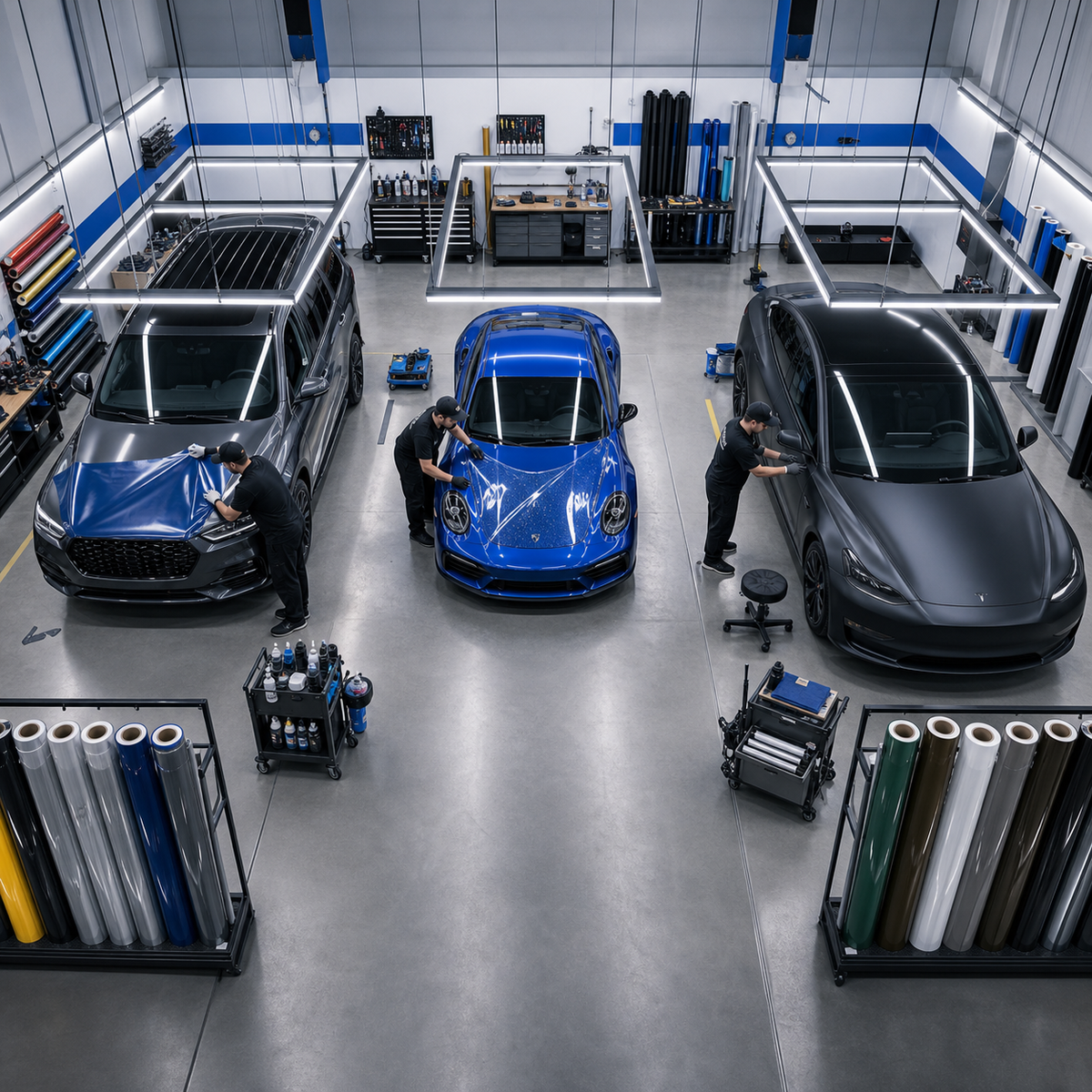
- Use a professional installer. Bubbles or lifted edges trap dirt and moisture, and that is when film starts to look bad.
- Wash with a pH-neutral shampoo and soft microfiber. Avoid stiff brushes and strong solvents near the edges.
- Check the edges every few months, and have a lifted corner fixed early before it collects dirt.
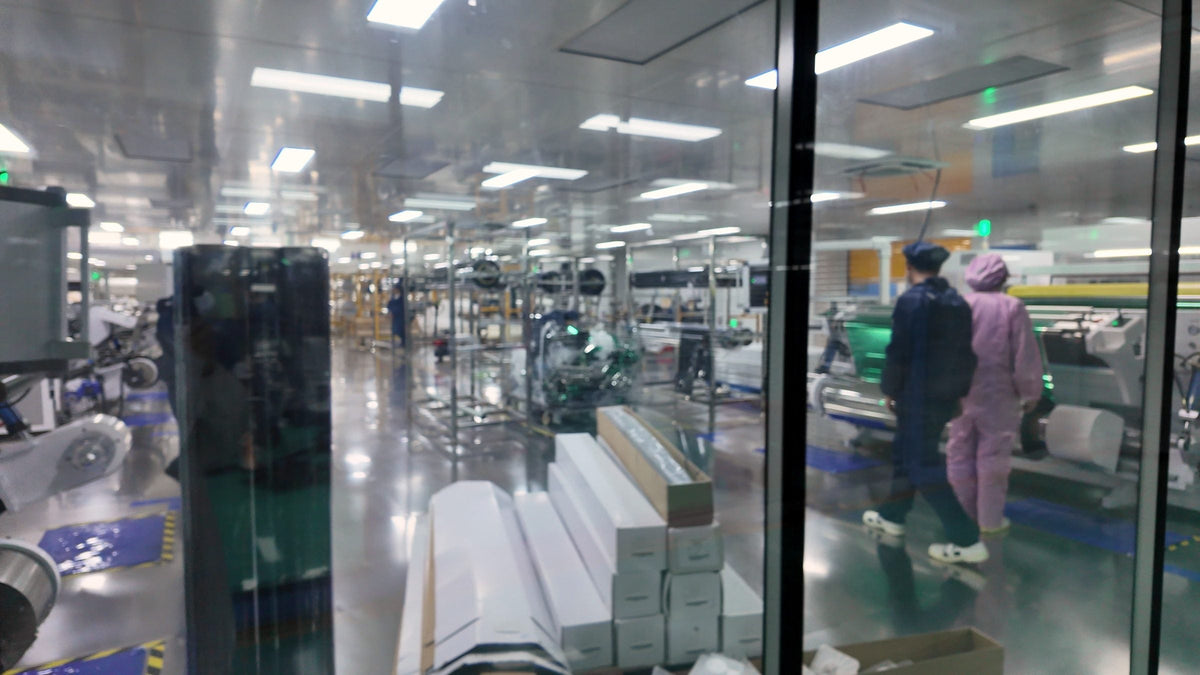
HIGHCOOL makes PPF by the roll in its own Shanghai factory, with a warranty of 5 to 10 years depending on the grade. Each roll carries its own code, so a claim can be traced to the batch. If you install film and want to price these partial packages from factory-direct rolls, browse the Paint Protection Film (PPF) range.
FAQ
Which part of the car should get PPF first?
The front bumper should get PPF first, followed by the hood and front fenders. These areas face oncoming gravel and debris and chip fastest. Mirror caps, the panels behind the rear wheels and the rocker panels come next.
Is partial PPF worth it compared with a full wrap?
Yes, partial PPF is worth it for most daily drivers because it covers the panels that take most of the damage for much less money. A full wrap makes sense for high-value cars or owners who want every panel covered. Many owners start with the front and add more later.
How long does PPF last on the front of a car?
Good PPF lasts for years on the front of a car when it is installed well and washed gently. HIGHCOOL PPF carries a warranty of 5 to 10 years depending on the grade. The front bumper usually shows wear first, and that section can be replaced on its own.

Share:
Spring Pollutants and Car Paint: What Detailers Should Know
Windshield Window Film: Heat and UV Rejection Explained