Windshield Window Film: Heat and UV Rejection Explained
A clear, heat-rejecting window film on the windshield blocks a large share of the infrared heat and nearly all of the UV coming through the biggest piece of glass in the car, while leaving the view almost unchanged. That is the whole case for it. The rest of this post covers how it works, what it does for the cabin, and where the law draws the line.
Why the windshield lets in so much heat
The windshield is usually the largest glass surface on a vehicle, and it faces the sun for most of a drive. Factory laminated glass already stops much of the UV, but it lets most of the infrared through, and infrared is what you feel as heat on your hands and the dash. On a summer afternoon the steering wheel and seat-belt buckle get hot enough to hurt. The front side windows are often plain glass with even less protection.
How window film reduces heat
A heat-rejecting film blocks infrared with materials built into the film, such as ceramic particles, rather than by being dark. That is how a film can be nearly clear and still keep a car noticeably cooler. With less infrared coming in, the cabin heats up more slowly while parked, and once the engine is on, the A/C pulls the temperature down faster and runs less hard to keep it there. In an EV, less A/C load means a little less drain on the battery.
How much cooler depends on the film, the glass, the color of the interior and the climate. Ask for the infrared rejection and total solar energy rejection figures on the spec sheet of the exact film you plan to install, and compare films on those numbers, not on darkness.
UV protection for skin and interior
Quality automotive window film blocks nearly all UVA and UVB. For people who spend hours a week driving, that cuts sun exposure on the arm and face nearest the glass. For the car, it slows the fading and cracking of the dashboard, leather and plastic trim. A dash that has gone pale and chalky after a few summers parked outside is UV damage, and film is the cheapest way to slow it.
Less glare, same clarity
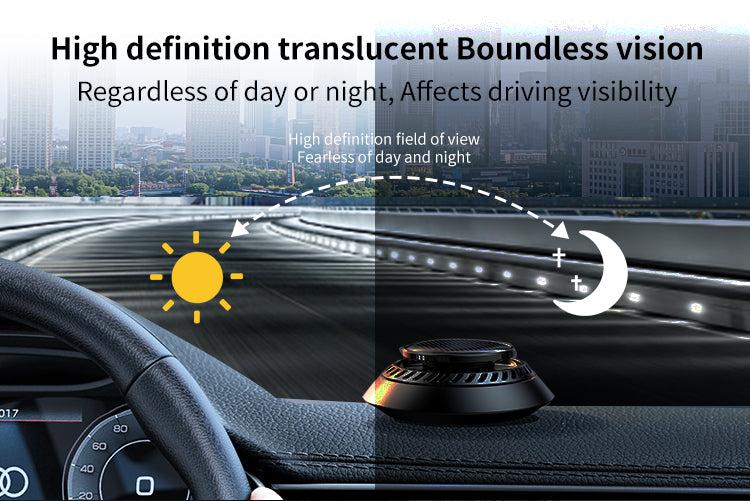
Low sun at the start and end of the day throws glare off the dash and into the driver's eyes. A light film takes the edge off that glare without darkening the road ahead, so the instrument cluster and mirrors stay easier to read and the eyes tire less on a long drive. At night, a high-VLT film should be hard to notice at all. If an installed film makes headlights look smeared or hazy, the film or the install is the problem.
Windshield tint laws in the US
Every state sets its own rules, and the windshield is the most restricted glass on the car. Most states allow non-reflective tint only above the AS-1 line or on the top few inches of the windshield. Some allow a light film on the full windshield if it meets a minimum light transmission, often 70%. Front side windows have their own limit in each state, and glass and film are measured together, so factory glass counts against the total.
So a clear, high-VLT film is the right type for a windshield, but no film is automatically legal everywhere. Before installing, check the current law where the car is registered, and meter the glass if the limit is close.
Privacy glass and aftermarket film
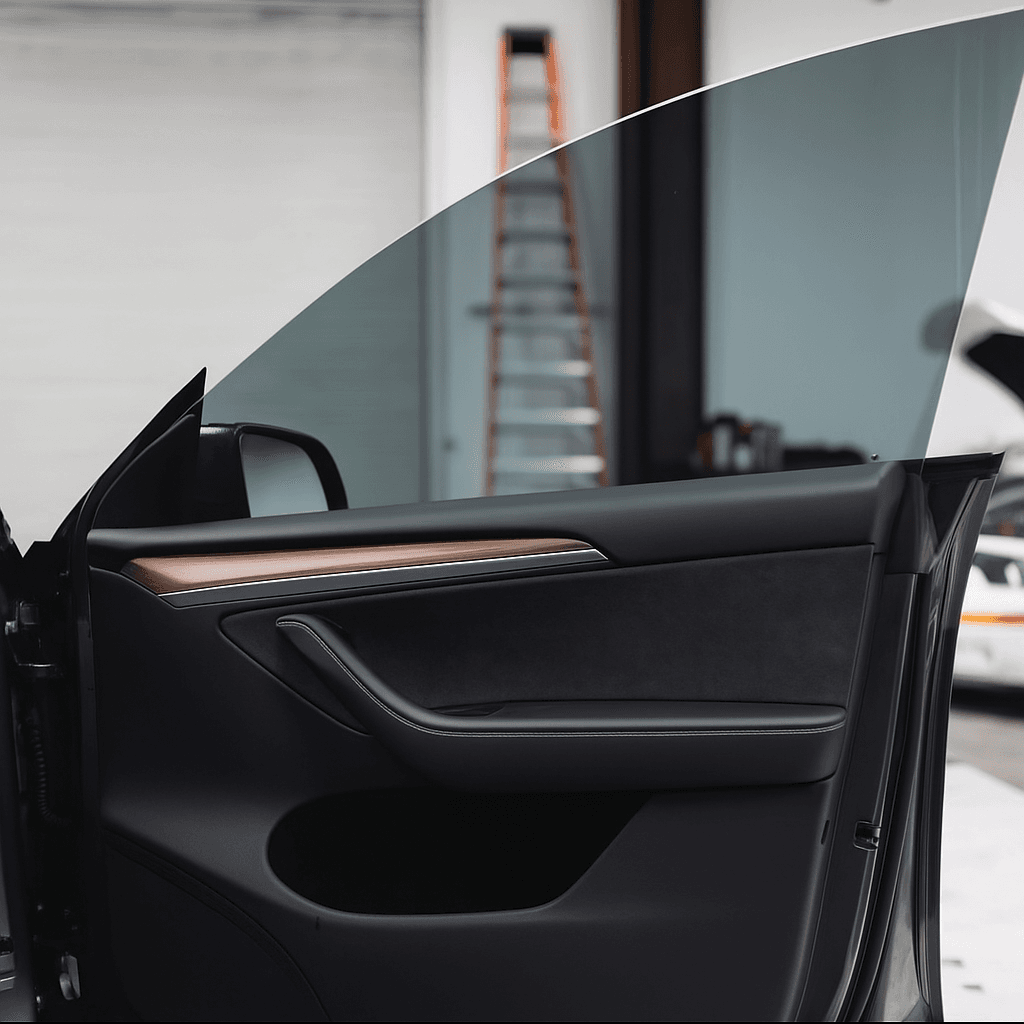
Many SUVs and minivans come with factory privacy glass on the rear windows. Privacy glass is tinted in the glass itself. It cuts light, but it does relatively little against infrared heat. An aftermarket film adds heat rejection and UV protection on top of it, and it helps hold broken glass together in an impact. The front glass, which privacy glass never covers, is where a clear heat-rejecting film makes the biggest difference.
For the windshield itself, HIGHCOOL makes KU70, a windshield-grade nano ceramic UV400 film at a nominal 70% VLT. It is 4 mil thick, about twice our side-window films, and carries a 7-year warranty. Nominal 70% is the film alone. On factory glass the total reads lower, so in a state with a 70% full-windshield rule, meter the car before you promise anything. For the front side windows, WV70 and WU70 are the matching clear nano ceramic films.
HIGHCOOL makes Window Film in our own Shanghai factory and sells it by the roll to shops and distributors, with free A4 samples sent from our California sample stock to US addresses (the buyer pays shipping). Samples to other countries usually ship from China, with shipping quoted by destination. If you install windshield film and want to test a clear heat-rejecting film on your own bay, ask us for samples and a quote.
FAQ
Does windshield window film affect visibility?
A good clear film does not noticeably affect visibility, day or night. These films have high visible light transmission, so the road looks the same. If headlights look hazy through the film, the film quality or the installation is at fault.
Does window film help the air conditioning?
Yes. By blocking infrared heat, film reduces the heat load on the cabin, so the A/C cools the car faster and runs less hard. The effect is largest in hot, sunny climates and on cars parked outside.
Is windshield tinting legal in the US?
It is legal in a limited way, and the rules vary by state. Most states allow non-reflective tint only above the AS-1 line or on the top few inches, and some allow a light film on the full windshield if it meets a minimum light transmission. Check the law in the state where the car is registered before installing.