
Few things are more frustrating for car owners than discovering sticky tree sap, corrosive bird droppings, or hardened bug splatter on freshly cleaned paint. These contaminants may look harmless at first, but they are among the most aggressive enemies of automotive clear coat. Left untreated, they can permanently etch the surface, dull gloss, and lead to costly paint correction.
This guide explains why tree sap, bird droppings, and bugs are so damaging, what really happens to your paint when they sit too long, and how modern protection strategies—especially ceramic coatings—help prevent long-term damage before it starts.
Why Tree Sap, Bird Droppings, and Bugs Are So Damaging to Car Paint
Automotive paint systems are designed to withstand weather, UV exposure, and regular washing, but they are not invincible. Organic contaminants attack paint in ways many drivers underestimate.
Tree sap, bird droppings, and insects share three destructive traits: chemical reactivity, heat activation, and strong adhesion. Once these substances bond to the clear coat, they begin interacting with the paint surface almost immediately—often faster than people expect.
The Science Behind Paint Damage: Acids, Heat, and UV Exposure
Modern automotive paint consists of a clear coat layer that provides gloss and protection. While this layer is durable, it is still vulnerable to chemical etching.
-
Bird droppings are highly acidic due to uric acid. When exposed to sunlight, the acid becomes more aggressive, accelerating chemical etching.
-
Tree sap contains sugars and resins that harden under heat, bonding tightly to the clear coat.
-
Bug splatter is acidic and protein-based; once baked by heat, it forms a crust that adheres strongly to paint.
UV radiation and surface heat amplify these reactions. A contaminant that might seem minor in the shade can become a serious paint issue after a few hours in direct sun.
Tree Sap on Car Paint: Why It’s More Than Just Sticky
Tree sap is particularly deceptive. At first, it appears soft and removable, but heat causes it to polymerize and harden. As it cures, it bonds tightly to the paint surface and begins pulling oils out of the clear coat.
Attempting to scrape hardened sap can easily cause scratches, while aggressive chemicals may damage the clear coat. Over time, sap stains can leave permanent ghost marks even after removal.
Bird Droppings on Car Paint: How Quickly Damage Can Occur
Bird droppings are one of the fastest causes of paint damage. In hot conditions, visible etching can occur in just a few hours.
As the droppings dry, they shrink and concentrate acids in a smaller area, intensifying the reaction with the clear coat. Once etching penetrates the surface, no amount of washing will restore the original finish—only polishing or repainting can fix it.
Bug Splatter and Insect Residue: The Hidden Risk to Clear Coat
Bug splatter is often ignored until it builds up, especially after highway driving. Insects contain acidic compounds that, when combined with heat, create stubborn residue.
As bug remains dry and harden, removal often requires mechanical force. This increases the risk of micro-scratches and swirl marks, compounding the damage beyond the initial chemical attack.
What Happens If You Leave These Contaminants Too Long?
When contaminants remain on paint for extended periods, the damage escalates:
-
Clear coat etching and dull spots
-
Permanent staining and shadow marks
-
Increased need for paint correction
-
Reduced resale value
At a certain point, even professional detailing cannot fully reverse the damage without removing significant clear coat thickness.
Immediate Cleaning vs. Long-Term Protection: What Actually Works?
Prompt cleaning is always recommended, but cleaning alone is reactive, not preventive. Even careful owners cannot always remove contaminants immediately—especially during daily commuting or outdoor parking.
This is why long-term protection strategies matter. The goal is not just to clean contaminants off, but to prevent them from bonding aggressively in the first place.
Why Ceramic Coatings Are One of the Best Defenses for Car Paint
Ceramic coatings form a chemically resistant, sacrificial layer on top of the clear coat. Unlike waxes or sealants that sit loosely on the surface, ceramic coatings bond at a molecular level, creating a durable protective barrier.
This barrier reduces the ability of acidic or sticky contaminants to penetrate the paint, buying valuable time for safe removal.
How Ceramic Coatings Protect Against Tree Sap, Bird Droppings, and Bugs
Ceramic coatings protect paint through several mechanisms:
-
Hydrophobicity reduces how strongly contaminants adhere
-
Chemical resistance slows acid etching
-
Thermal stability prevents rapid breakdown under heat
Contaminants still need to be removed, but they are far less likely to cause immediate or permanent damage when a coating is present.
Ceramic Coatings vs. Wax and Paint Sealants
Traditional waxes and sealants offer some short-term protection, but their limitations become clear over time.
Wax typically lasts weeks, while sealants may last a few months. Both degrade quickly under heat and UV exposure. Ceramic coatings, by contrast, can last years with proper care.
The difference is not just longevity, but resistance depth. Ceramic coatings resist chemical attack more effectively, making them better suited for real-world conditions.
When Ceramic Coating Is Enough—and When You Need More Protection
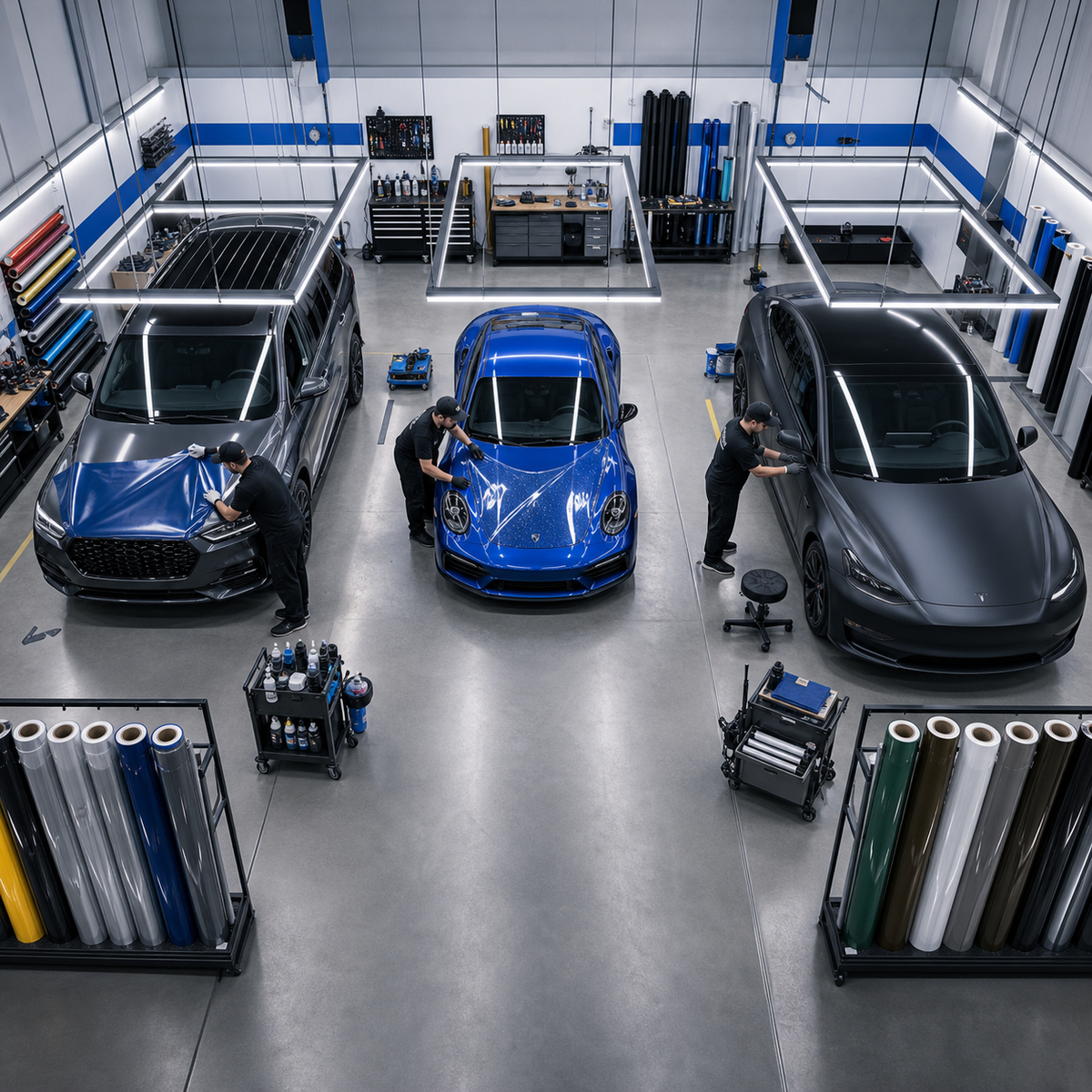
For many drivers, ceramic coating provides excellent everyday protection. However, in high-impact environments—such as frequent highway driving or heavy debris exposure—some owners combine ceramic coatings with additional protective layers like paint protection film (PPF) on high-risk areas.
Protection strategies should match how and where the vehicle is used.
Professional Installation vs. DIY: Why Application Quality Matters
While DIY ceramic products exist, professional installation makes a significant difference. Proper paint preparation, controlled curing conditions, and consistent coating thickness all affect performance.
Poor application can lead to uneven protection, reduced durability, and diminished chemical resistance—negating many of the benefits.
How to Maintain Your Ceramic Coating for Long-Term Protection
Maintenance is critical to maximize protection:
-
Wash regularly using pH-neutral shampoos
-
Avoid harsh chemicals or abrasive tools
-
Remove contaminants promptly, even with protection
-
Use compatible maintenance sprays if recommended
A well-maintained coating continues to protect far longer than a neglected one.
Smart Habits to Reduce Tree Sap and Bird Dropping Damage
Protection works best alongside smart habits:
-
Avoid parking under trees when possible
-
Rinse contaminants off before they bake in the sun
-
Use shade or covered parking when available
Small habits reduce exposure and extend the life of both paint and protection layers.
Manufacturing Quality: Why the Coating Itself Matters
Not all ceramic coatings perform the same. From a manufacturing standpoint, performance depends heavily on raw material purity, formulation consistency, and quality control.
Factories that control synthesis, blending, and batch testing are better positioned to deliver coatings with predictable chemical resistance and durability. Manufacturers such as HIGHCOOL, which approach surface protection from a materials-engineering perspective, emphasize controlled production processes and performance stability. This factory-level discipline directly influences how coatings resist acids, heat, and environmental contamination in real-world conditions.
This is less about branding and more about engineering repeatability, especially important for professional installers and long-term vehicle protection.
Final Thoughts: Protecting Your Paint Before Damage Happens
Tree sap, bird droppings, and bug splatter are unavoidable realities of driving—but permanent paint damage does not have to be. Understanding how these contaminants interact with clear coat, and choosing protection that resists chemical attack, is the key to preserving your vehicle’s finish.
Proactive protection is always less expensive than reactive repair. By combining smart habits with modern ceramic coating technology, drivers can significantly reduce paint damage and maintain gloss, clarity, and value over time.
Frequently Asked Questions (FAQ)
How quickly can bird droppings damage car paint?
In hot or sunny conditions, bird droppings can etch clear coat within a few hours due to their high acidity.
Can tree sap permanently damage car paint?
Yes. If left too long, tree sap can harden and cause staining or clear coat etching that may require paint correction.
Does ceramic coating prevent all paint damage?
No. Ceramic coatings reduce chemical damage and adhesion but do not make paint indestructible. They significantly lower risk when contaminants are removed promptly.
Is wax enough to protect against bird droppings?
Wax provides limited, short-term protection. Ceramic coatings offer far greater chemical resistance and durability.
How long does ceramic coating protection last?
Professional ceramic coatings can last several years with proper maintenance, far longer than wax or sealants.

Share:
Can Car Washes Make a Windshield Crack Worse? What Glass and Film Shops Should Know
HIGHCOOL Color PPF: Wholesale Guide for Shops