
Glass roof heat control for EVs works by putting a ceramic film on the roof glass that rejects infrared heat before it reaches the cabin, which cuts the radiant heat on passengers' heads and the cooling load on the battery.
Owners who have sat under a glass roof in July already know why they want it done.
Why panoramic glass roofs create so much heat
Most of the heat you feel from sunlight is infrared. Factory roof glass usually blocks most UV and some of the heat, but a large share of infrared still gets through. It is absorbed by the seats, the dash and the people sitting under it, who feel it most on the head and shoulders. The heat comes in fast and leaves slowly, so a car parked in the sun turns into a greenhouse.
Why EVs are more sensitive to roof heat than ICE cars
In an EV, cabin cooling runs on the same battery that drives the wheels. A hotter cabin means the AC runs harder and longer, and on long drives in hot weather that energy comes out of the range. Large glass areas make the cooling job bigger on any car.
Roof tint will not add miles on its own. What it does is lower the heat load, so the car uses less energy holding the cabin at a set temperature on hot days.
What ceramic roof tint blocks and what it keeps
A ceramic film uses nano-ceramic particles in the film to reject a large share of infrared while letting more visible light through than a dyed film of the same shade. Good films also block UV, which protects skin and slows fading of seats and trim. The roof still looks clear from inside, without a mirror look, and the cabin keeps its daylight.
When you compare films for roof work, look at infrared rejection and total solar energy rejection on the spec sheet, not only the VLT. Two films at the same shade can behave very differently in the sun.
Why dyed or cheap films fail on panoramic roofs
Roof glass gets more direct sun and runs hotter than side windows, so weak film fails there first. Dyed films absorb heat instead of rejecting it, then fade or turn purple. Cheap adhesives haze or bubble under sustained heat. On a big curved panel, any optical distortion shows when the passenger looks up. Ceramic film rejects more of the heat instead of soaking it up, which puts less stress on the film and the adhesive.
Best VLT choices for panoramic roof tint
Roof glass does not affect the driver's view of the road the way the windshield and front side windows do, so many owners go darker on the roof. Check your state or local rules before you assume the roof is unregulated, because some areas treat roof glass like other windows. Medium to dark ceramic shades are common. The real choice is how much heat rejection the film gives, not how dark it looks.
Installation considerations unique to roof glass
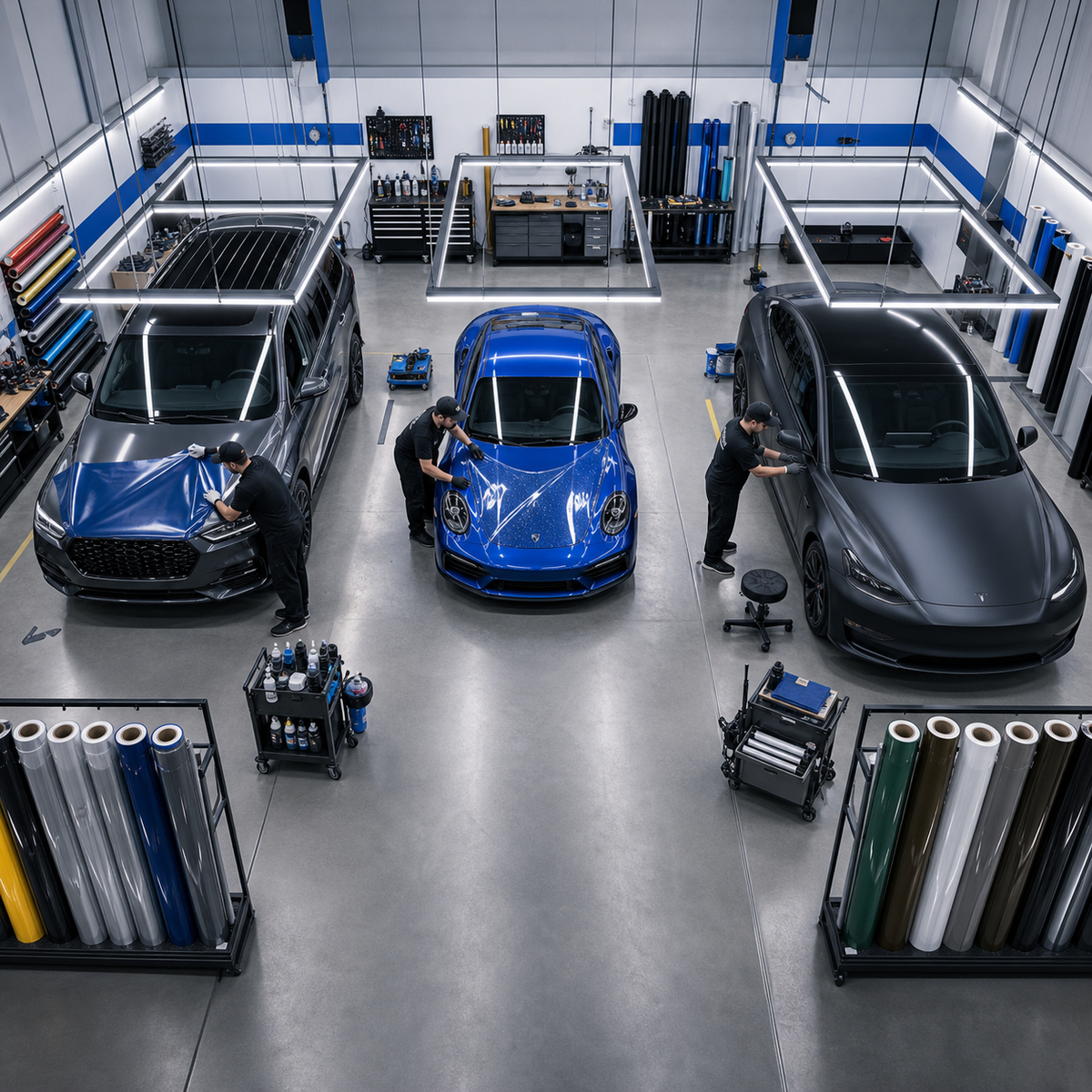
Panoramic roofs are large and curved, and the passenger stares straight at the result. Every flaw shows. Installers need to heat-shrink the film evenly across the curve, keep the glass free of dust and contamination, and finish the edges so they do not lift. Give the film time to cure before the car sits in strong sun.
What to ask your film supplier
Roof work exposes film to higher, longer heat than most side glass. So the questions for a supplier are practical ones. Is the ceramic layer even across the roll? Is the coating thickness controlled from batch to batch? How does the adhesive behave after long heat exposure? Ask for samples and test them on a roof before you put the film on your menu.
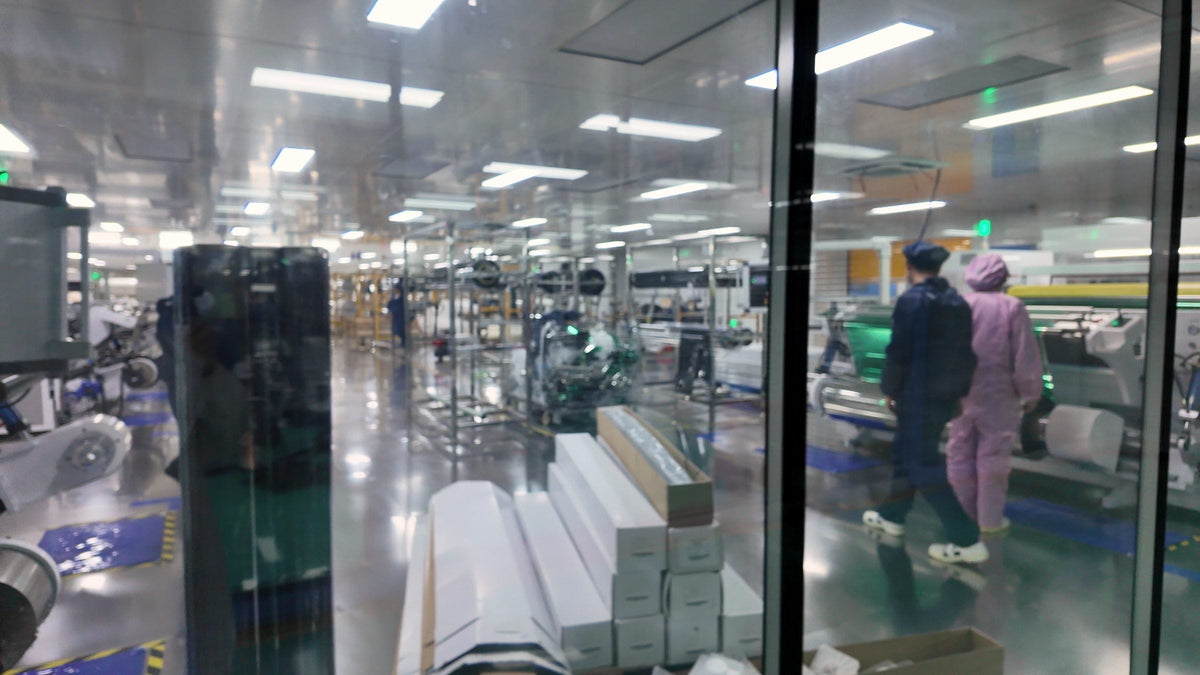
HIGHCOOL makes Window Film by the roll in its own 20,000 m² factory in Shanghai and ships it from China. A4 samples are free from our US sample stock, and you pay shipping. If you want to test ceramic film on panoramic roofs before quoting EV owners, look at our Window Film range and ask for a quote with your country and monthly volume.
FAQ
Does tinting a glass roof help EV range?
Tinting a glass roof does not add range directly, but it lowers the cabin heat load the AC has to fight. On hot days that means the cooling system uses less battery energy. The effect is most noticeable on long drives in sunny climates.
What kind of film is best for a panoramic roof?
A ceramic film is best for a panoramic roof because it rejects infrared heat without needing to be very dark. Dyed films absorb heat and tend to fade or haze on roof glass. Compare infrared and total solar energy rejection, not just shade.
Is panoramic roof tint legal?
In many places roof glass has looser rules than the windshield and front side windows, but this varies by state and country. Check the local rules before installing. A tint shop should note the film and shade on the work order.

Share:
Tinting EVs Legally: A Guide for Tint Shops
Tesla Model Y Ceramic Window Tint Guide