
To tint an EV legally, meter the factory glass first, pick a film whose combined VLT stays above the local limit on the front side windows and windshield, and put the heat-rejection money into ceramic film rather than darker film. EVs and Teslas carry a lot of glass, including big windshields and glass roofs, so owners ask for dark tint to keep the cabin cool. A good tint shop gives them the comfort without the ticket. The rules below are a starting point; always check the current law in the state or country where the car is registered.
What VLT means on an EV
VLT (visible light transmission) is the share of visible light that passes through the glass and the film together. Police and inspection stations meter the window as it is on the car, not the number printed on the film box. Factory glass already blocks some light, and many EVs ship with tinted rear glass and a tinted roof. Put a 35% film on a front window that already meters below 80% and the result can land under 30%. Meter every window before you quote, and quote the combined number.
Common legal VLT standards in the United States
Every state writes its own tint law, and the spread is wide. California and New York both require at least 70% VLT on the front side windows. Texas allows 25% on the front sides. Rear side windows and the back glass are looser in many states. California sets no VLT limit on the rear side windows or back glass if the car has two side mirrors. New York requires 70% on the rear side windows of sedans but allows any darkness there on SUVs.
On the windshield, most states allow tint only on a strip at the top. California allows the top 4 inches. Texas allows tint above the AS-1 line, or the top 5 inches if the glass has no AS-1 mark. Most states also limit reflective and mirrored films. Keep a printed table of your state's limits at the counter so the conversation stays about the car, not about what a friend said.
European tint regulations
Europe is generally stricter on the front of the car. In the UK, the windshield must let through at least 75% of light and the front side windows at least 70%. Many other European countries use similar front limits, some ban film on the front side windows entirely, and some require film to carry a type approval. Enforcement is often at periodic vehicle inspection, so an illegal front tint can stop a car from passing. Rear windows are usually free to tint dark.
EV-specific considerations for legal tint
Large glass areas let in a lot of heat, and owners feel it on the air-conditioning and the range. That makes darker tint tempting. The better answer is a ceramic film that blocks infrared heat at a legal VLT. A light ceramic film on the front doors can reject more heat than a cheap dark dyed film, and it keeps the car legal and easy to see out of at night.
Windshield tint: stay conservative
On most EVs the windshield carries the forward camera and driver-assist sensors behind the rear-view mirror. Keep film away from the camera area, and follow the carmaker's guidance on what can go in front of it. A legal visor strip, or a very light ceramic film where the local law allows one, covers what most owners want.
Roof glass and legality
Glass roofs are often not treated the same as the windows the driver looks through, and many places do not set a VLT limit on them. That makes the roof the best place to put a dark, high heat-rejection film on an EV. Check the local rule anyway. Roof glass is large and curved, so it needs an installer who is comfortable shrinking film on a big panel.
How to choose a legal, EV-friendly tint setup
A setup that works for most owners:
- Front side windows: ceramic film at or above the legal combined VLT
- Rear side windows and back glass: darker ceramic film where the law allows
- Roof glass: the darkest, highest heat-rejection film the owner wants
- Windshield: a legal visor strip, clear of the camera area
- No metalized film, which can interfere with phone and GPS signals
Film consistency and legal compliance
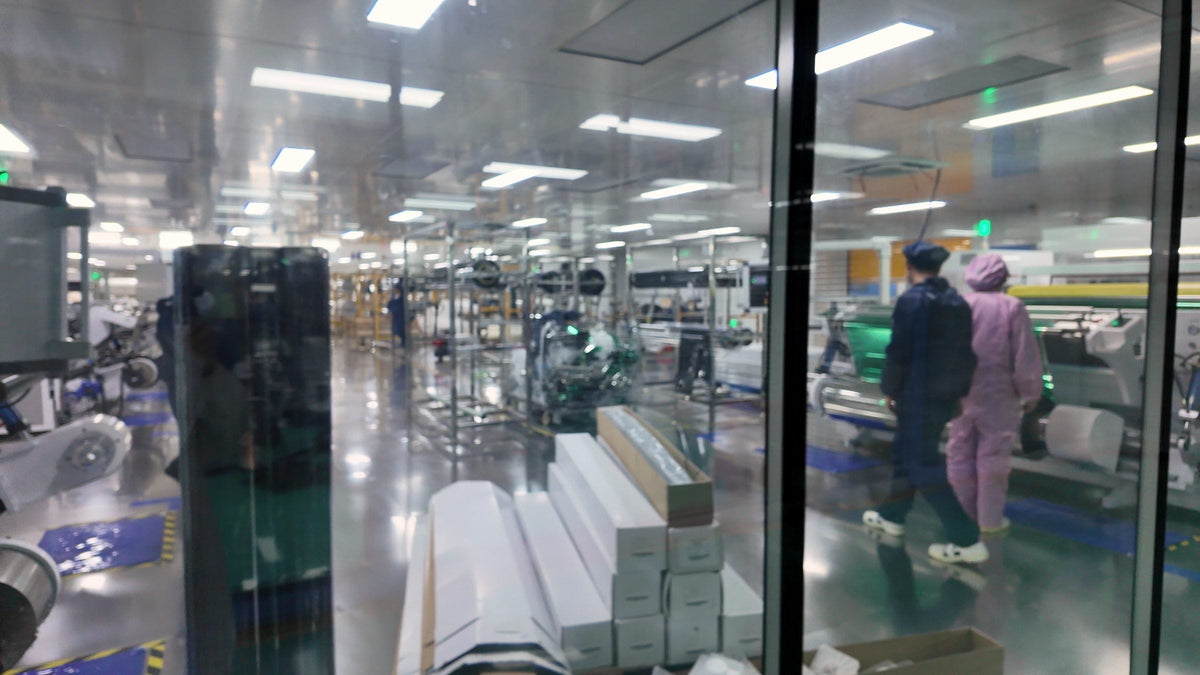
A film that varies from batch to batch can meter legal on one roll and illegal on the next. Meter a sample from each new roll before it goes on a front window, and ask your supplier what VLT tolerance they hold. A shop that meters every front window and writes the reading on the invoice has a record if a customer comes back with a ticket.
Tint and resale
Illegal tint costs the owner at resale. Dealers and private buyers see a dark front window as a removal job, and in inspection states the car may need the film stripped before it can be sold. Legal ceramic tint does not carry that cost. It keeps the cabin cool and protects the interior from UV, and the next owner does not have to pay to take it off.
HIGHCOOL makes no metallized window film, so signal is not an issue with ours. Our nano ceramic WV and WU series come in nominal shades from 70% down to 4%, with a 7-year warranty. For 70% front-window states such as California and New York, start with WV70 or WU70 and meter the finished door, because factory glass pulls the total below the film's own number. Where the law allows film on the full windshield, KU70 is our 4 mil windshield-grade film at a nominal 70% VLT. It is not light enough for a 75% rule like the UK's.
If you tint EVs and want ceramic film by the roll, see our Window Film range and send us your country and monthly roll usage for a quote.
FAQ
What is the darkest legal tint for a Tesla front window?
It depends on the state, because each state sets its own front window limit. California and New York require at least 70% VLT on the front sides, while Texas allows 25%. Meter the factory glass first, because the limit applies to glass and film combined.
Is it legal to tint an EV glass roof?
In many places, yes, because roof glass is often not regulated like the driver's windows. That makes it a good place for a dark ceramic film that blocks a lot of heat. Check the local rule before you install.
Does window tint affect a Tesla's cameras or sensors?
It can if the film covers the camera area on the windshield. Keep film clear of the forward camera behind the mirror and follow the carmaker's guidance. Side and rear window film does not normally affect driver-assist cameras.

Share:
Ceramic Window Tint for Tesla and EVs: A Guide for Tint Shops
Glass Roof Heat Control for EVs: A Guide for Tint Shops