
In the relentless heat of California, car window tinting has evolved from a cosmetic "look" to a critical component of a vehicle’s thermal infrastructure. As electric vehicles (EVs) dominate the roads and fleet operational costs rise, the question—is ceramic tint worth it?—becomes a matter of financial and functional logic.
At Highcool™, we leverage ClearPro-level engineering standards to explain why ceramic window film for cars is the only logical choice for the modern professional.
Summary: The Precision Thermal Briefing
While the upfront cost of window film ceramic is higher than dyed or carbon alternatives, its "Total Cost of Ownership" is significantly lower. Ceramic technology represents a shift from heat absorption to molecular-level rejection.
-
The IR Breakthrough: Highcool™ ceramic films reject up to 90-95% of Infrared (IR) radiation, the primary cause of cabin heat, compared to just 20% in standard tints.
-
Electronic Neutrality: Non-metallic construction ensures 100% signal clarity for 5G, GPS, and Autopilot sensors, making it a necessity for Tesla and high-tech fleets.
-
Windshield Strategy: A ceramic tint windshield is the "front door" of thermal defense, protecting dashboards from UV-induced cracking and increasing EV range by reducing AC load.
-
The Long Game: Ceramic films do not fade, bubble, or turn purple. For B2B operators, this means a one-time investment with a 10-15 year performance life.
1. Beyond the Dark: Why VLT Does Not Equal Protection
A common industry misconception is that darker tint equals more heat rejection. In the world of ceramic window film for cars, clarity is not a weakness; it is a technical achievement.
-
Spectrally Selective Technology: Highcool™ ceramic particles are engineered to be "spectrally selective." They allow Visible Light (VLT) to pass through for safety and night vision while aggressively blocking the Infrared (Heat) and Ultraviolet (Radiation) spectrums.
-
The "Clear" Advantage: This allows you to install a 70% or 80% VLT film—which looks nearly transparent—and still achieve better heat rejection than a 5% "limo" dyed film.
2. Ceramic Tint Windshield: The Critical Component of Fleet Efficiency
If you leave the windshield untreated, you are leaving 30% of your vehicle's glass surface exposed to the sun's direct hit.
Why a Ceramic Windshield is Non-Negotiable:
-
Thermal Stability: It stops the "greenhouse effect" before it starts, keeping the steering wheel and seats cool to the touch.
-
UV Shielding (SPF 1000+): It provides a permanent block against 99.9% of UVA/UVB rays, protecting the driver’s skin during long California commutes.
-
Optical Purity: High-end window film ceramic offers "High-Definition" clarity, reducing the glare from oncoming headlights at night and the harshness of the sun during the day.
3. Signal Integrity: Why Metallic Tints are Obsolete in 2026
Modern vehicles are essentially mobile computers. Old-school "Metallic" tints contain micro-layers of aluminum or silver which create a "Faraday Cage" effect, degrading wireless signals.
-
The Ceramic Solution: Because ceramic window film is non-conductive, it has zero impact on:
-
5G & LTE Connectivity (Essential for streaming and navigation).
-
Keyless Entry & Remote Start signals.
-
TPMS (Tire Pressure Monitoring Systems).
-
Advanced Driver Assistance Systems (ADAS).
-
4. The ROI Analysis: Is Ceramic Tint Really "Expensive"?
When evaluating is ceramic tint worth it, fleet managers must look at the three pillars of return:
A. Energy Efficiency & EV Range
In California’s 100°F+ summers, the air conditioner is the biggest drain on an EV battery. By reducing the internal temperature by up to 20-30°F, ceramic tint allows the AC to run at a lower setting, potentially extending EV range by 3-5%.
B. Interior Asset Preservation
Restoring a sun-damaged leather interior or a cracked dashboard can cost thousands. Ceramic film acts as an insurance policy, preserving the "factory-new" look for the vehicle’s entire lifecycle.
C. Maintenance Zero
Dyed films fail. They bubble and turn purple after 2-3 years of California sun, requiring an expensive window tint removal process. Highcool™ Ceramic is a "set-and-forget" solution.
5. Comparative Specs: Ceramic vs. Carbon vs. Dyed
| Feature | Dyed Film | Carbon Film | Highcool™ Ceramic |
| Heat Rejection (IRR) | < 25% | 40-50% | 85-98% |
| UV Protection | 90% | 99% | 99.9% |
| Nighttime Clarity | Poor (Hazy) | Moderate | HD Crystal Clear |
| Signal Interference | None | None | None |
| Lifespan | 2-3 Years | 5-7 Years | Lifetime |
6. Highcool™: Engineering-Grade Ceramic Solutions
What sets Highcool™ apart from retail brands is our factory-direct control over the Nano-Ceramic Sputtering process.
-
Industrial Durability: Our films are tested against the highest salt-fog and UV-exposure standards, ensuring they survive the California coast and the desert heat.
-
Ease of Installation: Engineered for "high-shrink" glass, our films allow professional installers to achieve a seamless fit on complex curves, reducing shop labor time.
-
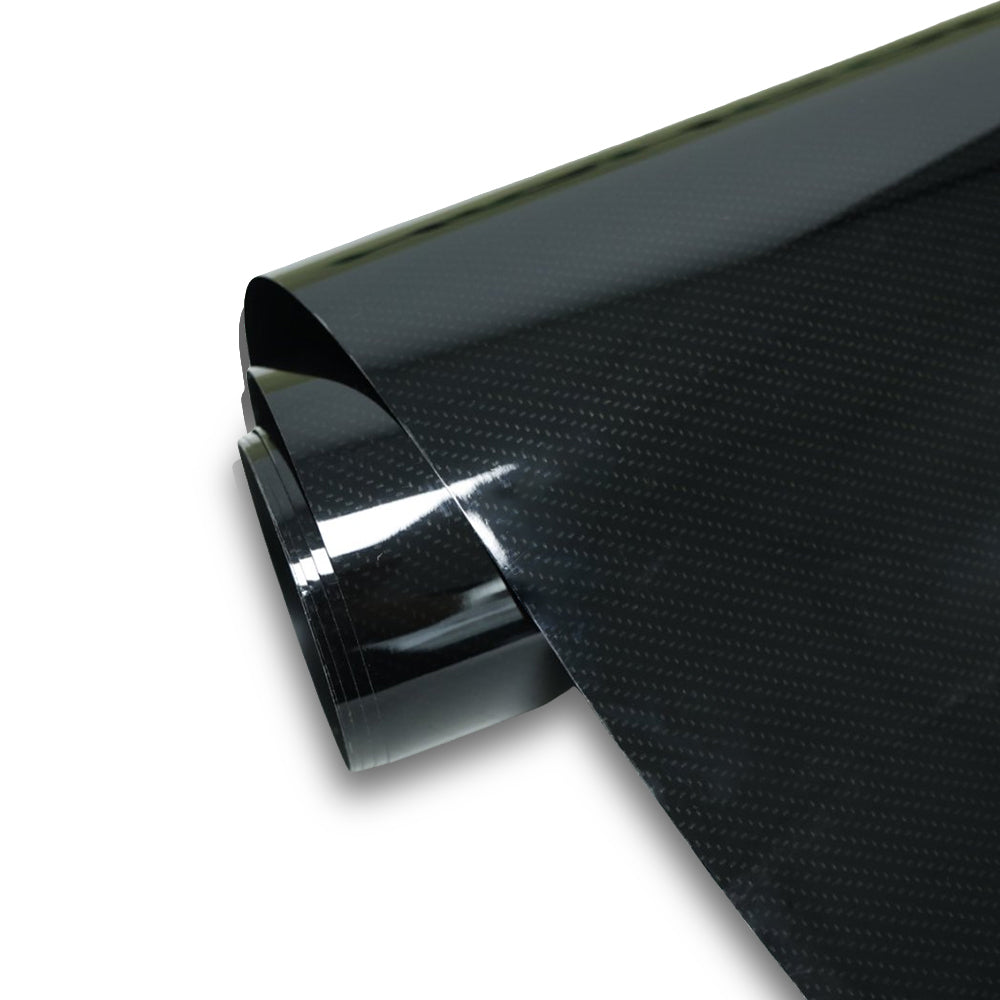
B2B Supply Chain: We provide master rolls of ceramic window film for cars directly to the trade, allowing you to offer premium ceramic performance at a competitive price point.
Final Verdict: The Professional Conclusion
Is ceramic tint worth it? If your goal is the lowest possible upfront cost, the answer is no. But if your goal is maximum performance, signal integrity, and long-term asset protection, then ceramic tint is the only investment that makes sense.
In the 2026 automotive market, ceramic tint has moved from a "luxury option" to an "essential standard."
Upgrade to Highcool™ Ceramic Today
Partner with a factory that understands the science of heat. Contact us for technical specs and B2B wholesale pricing.
-
Email: contact@highcool.com
-
WhatsApp: +86 13361992295
-
Highcool™: Engineering the Future of Invisible Protection.


Share:
2026 California Industry Report: Navigating Window Tint Prices, Material Types, and Professional ROI
Is PPF Worth It? The 2026 Strategic ROI Guide to Paint Protection Film